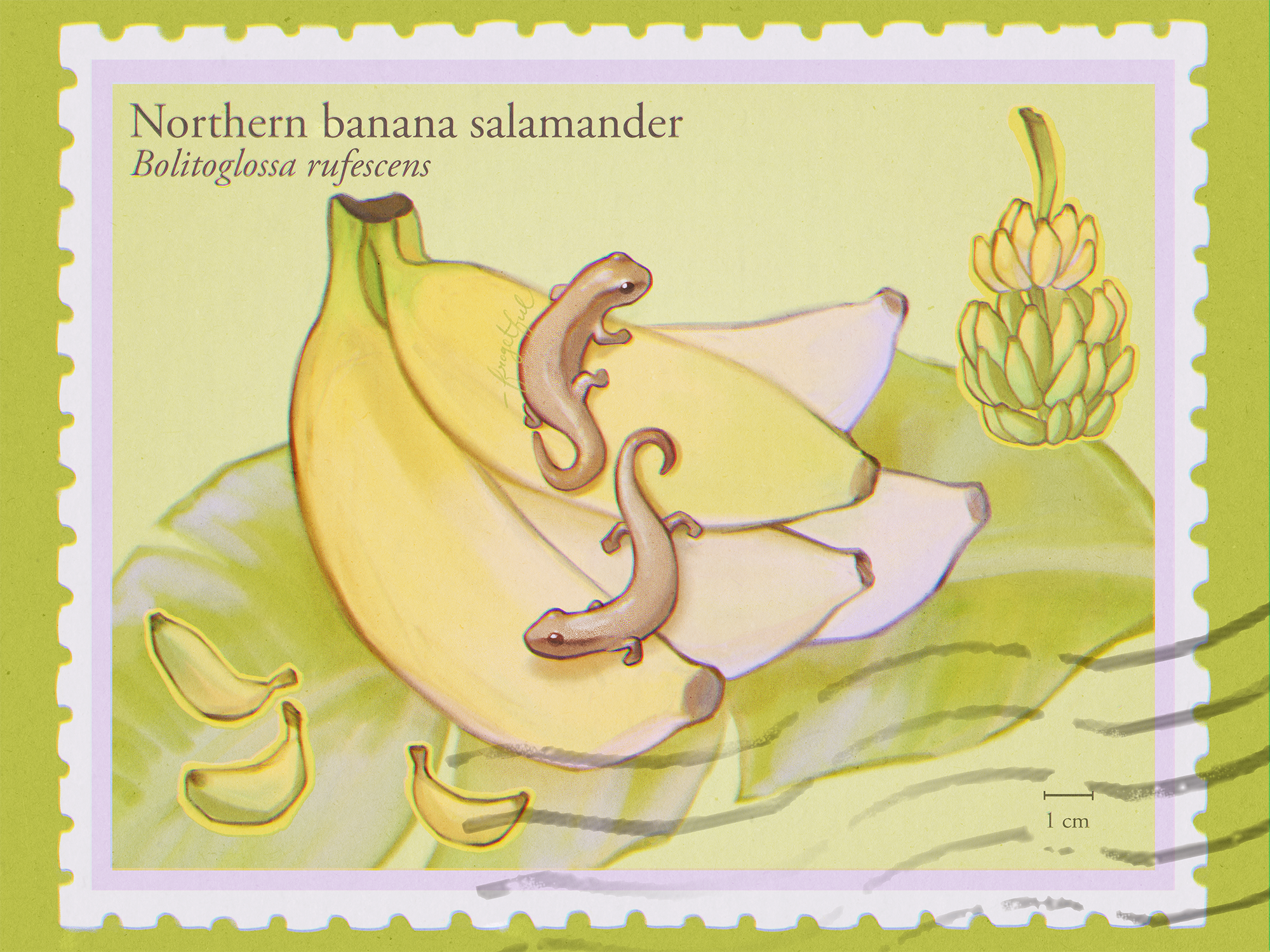
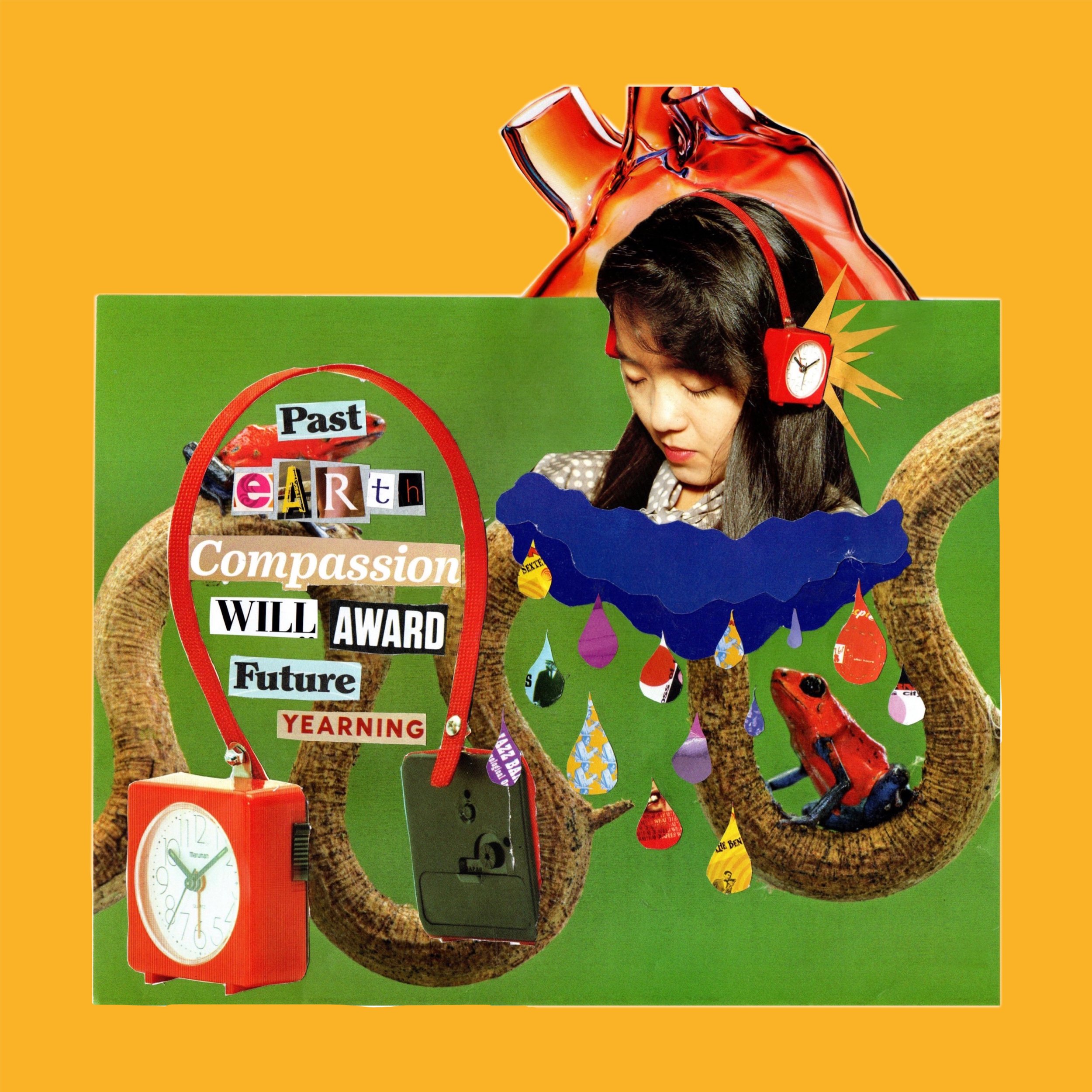
2026 Berkeley Frog Fest
What
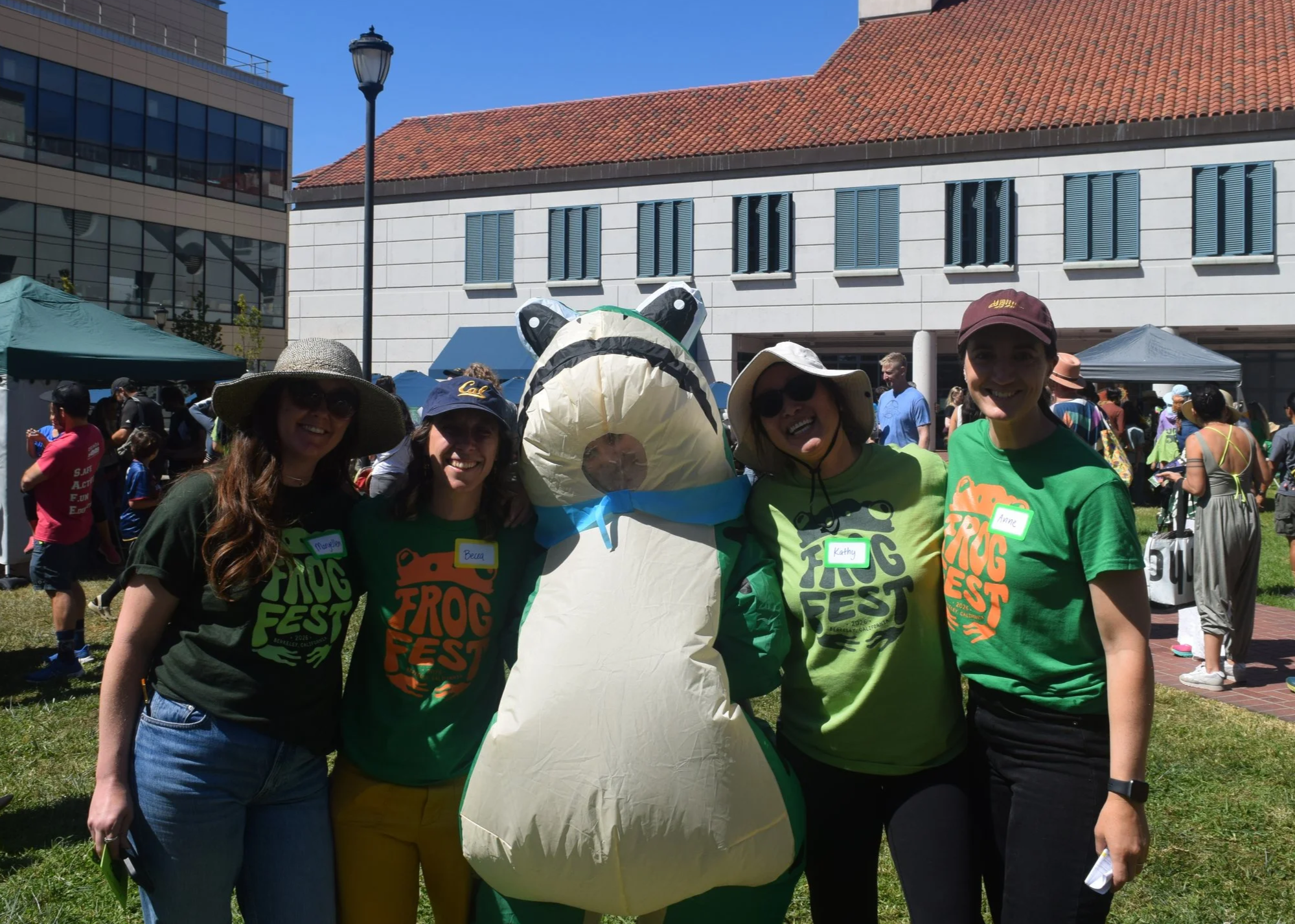
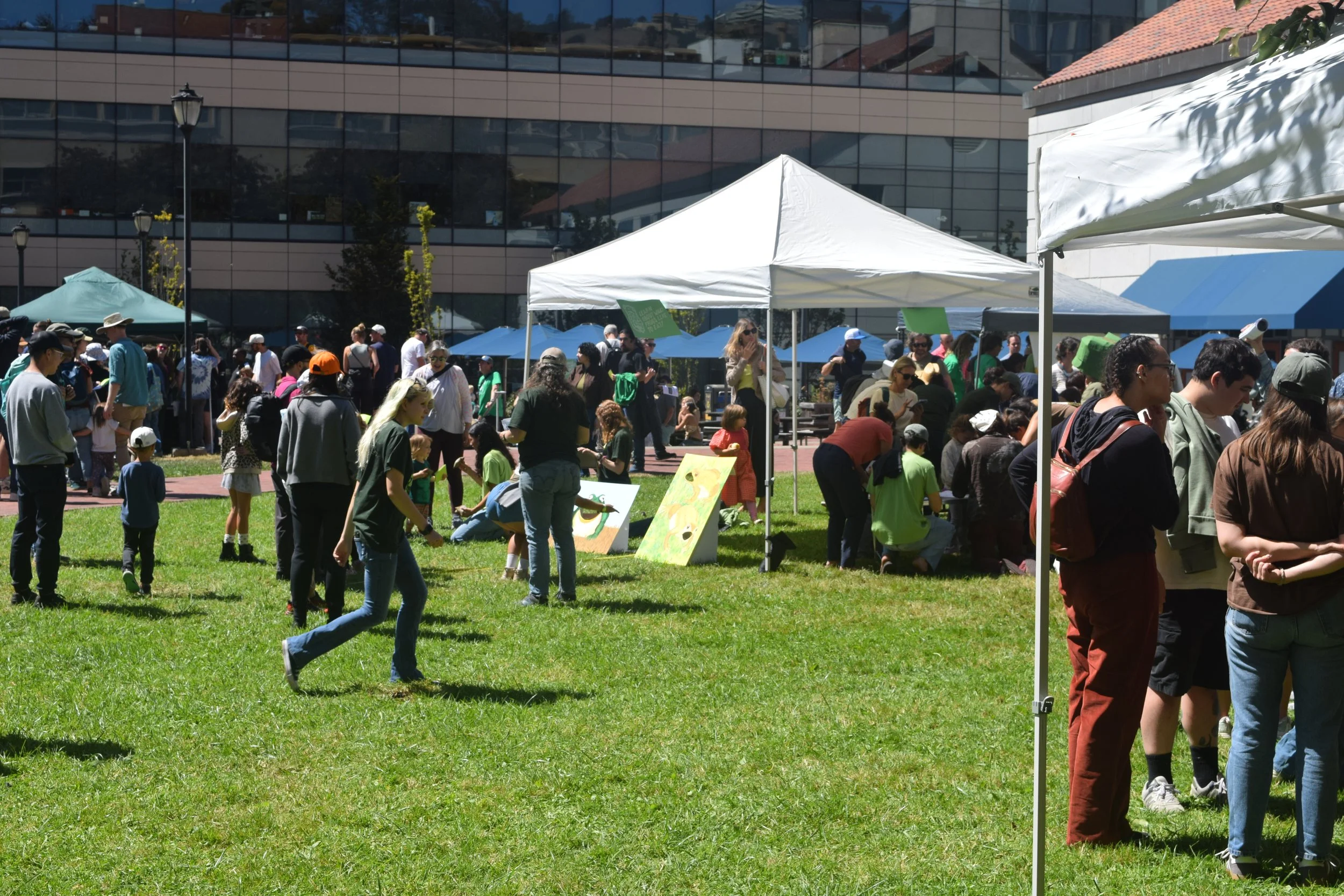
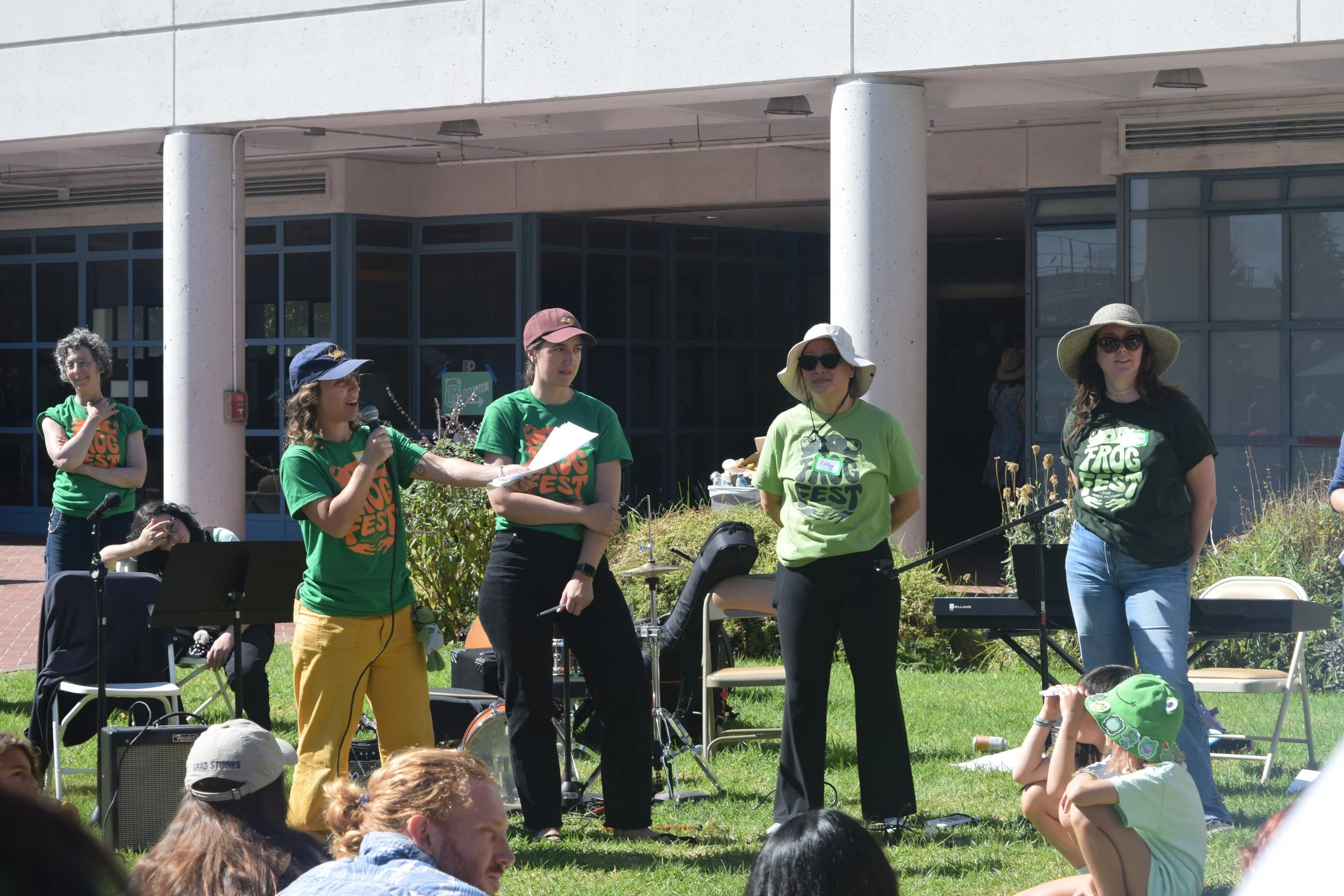
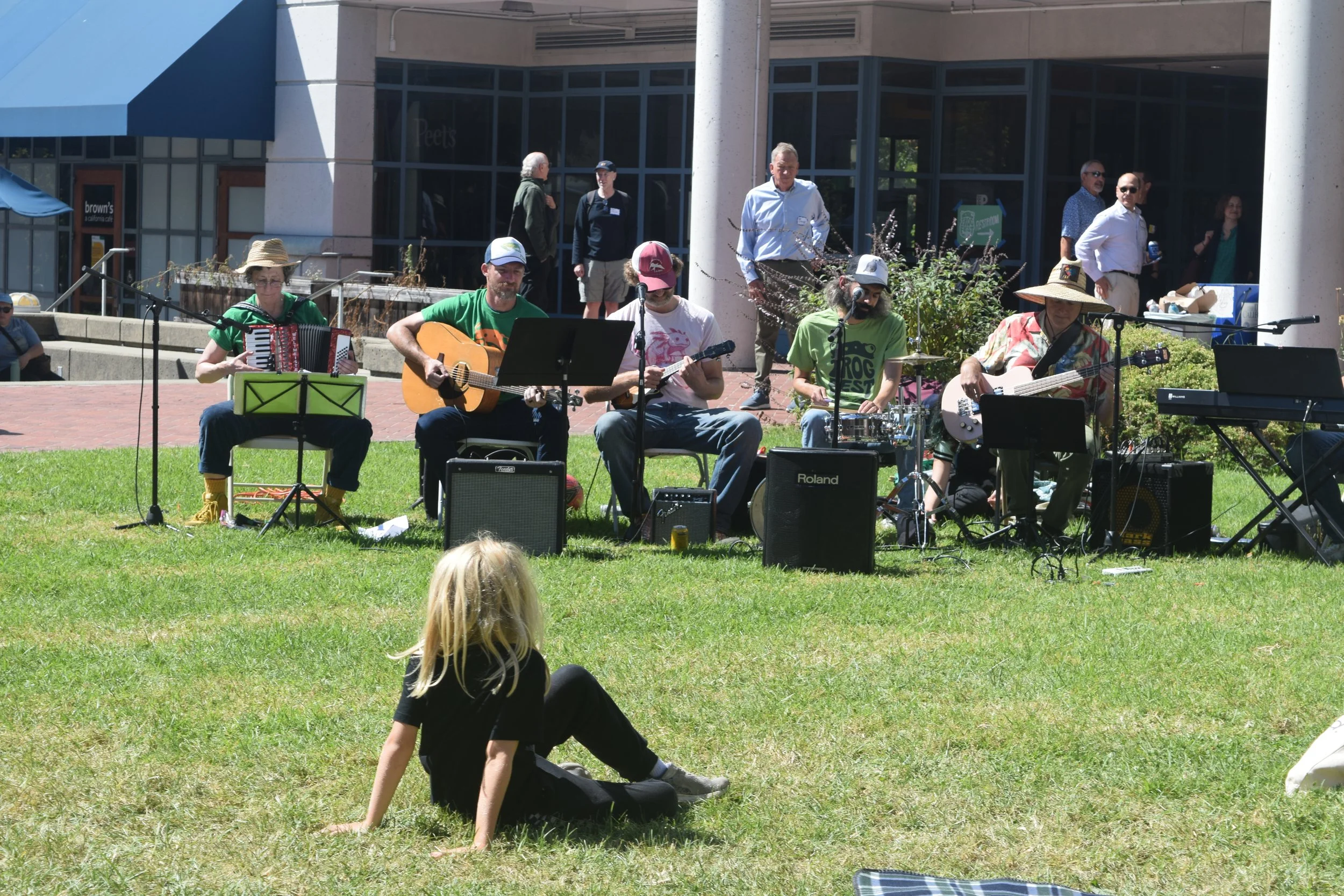
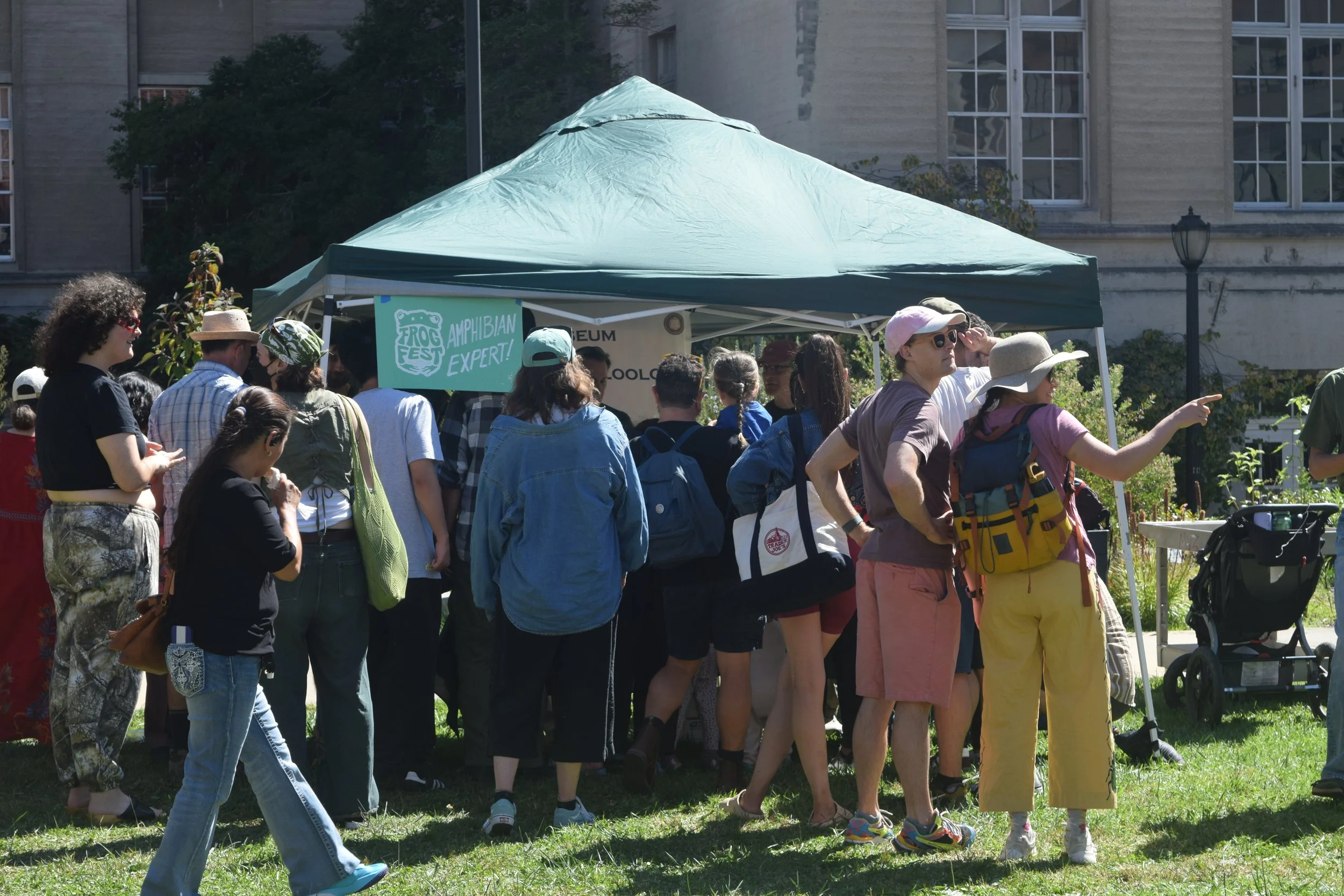
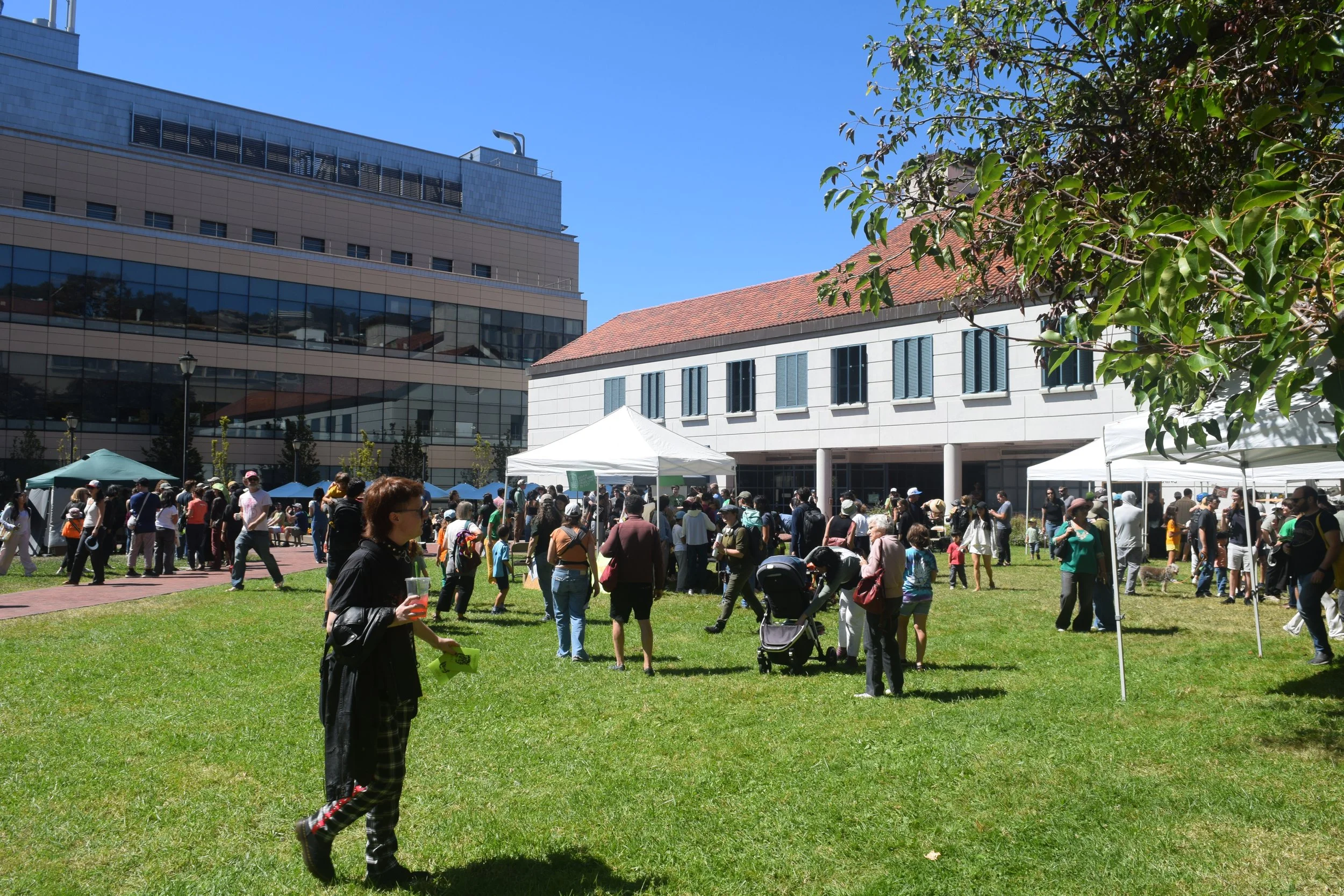
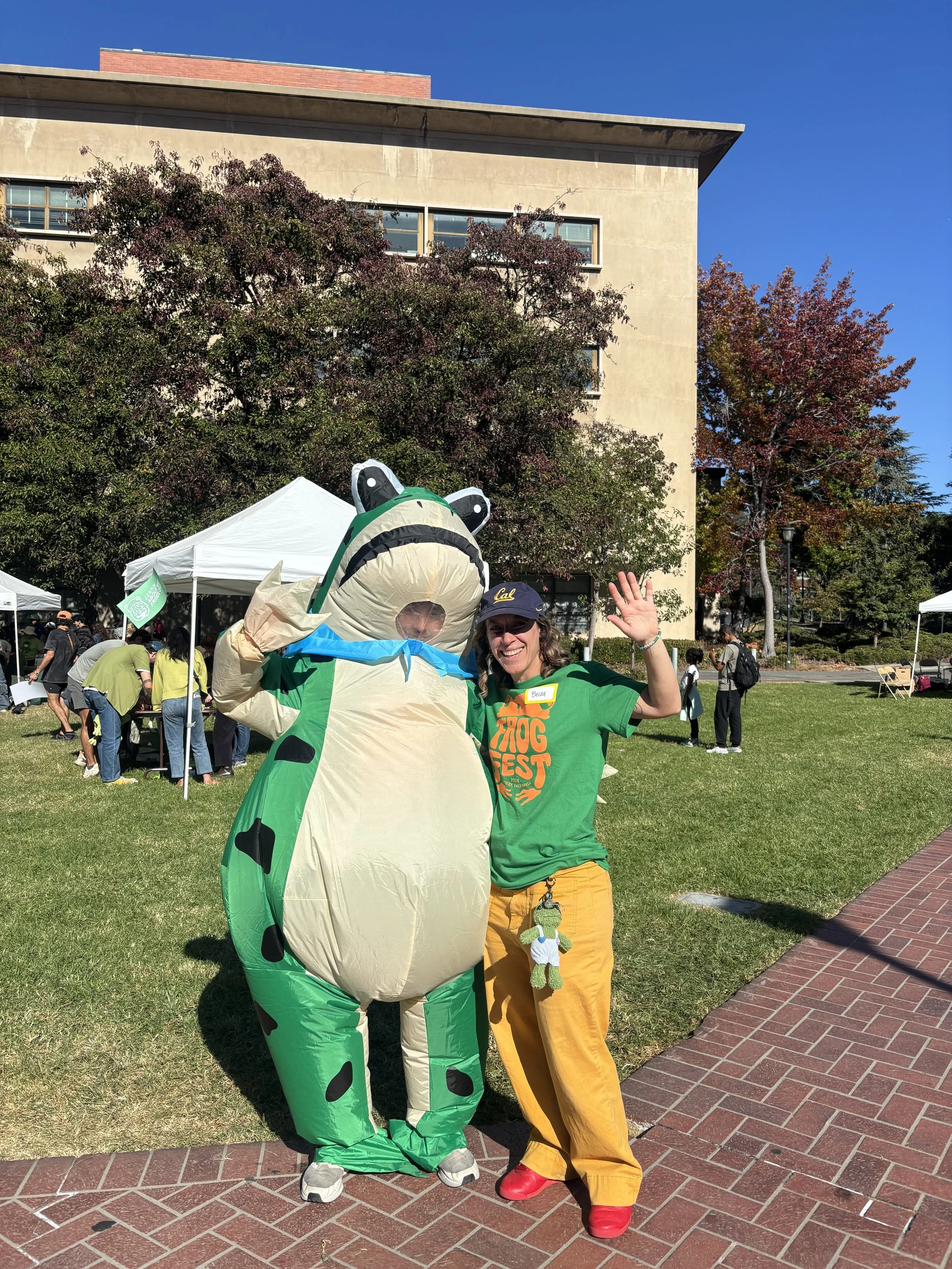
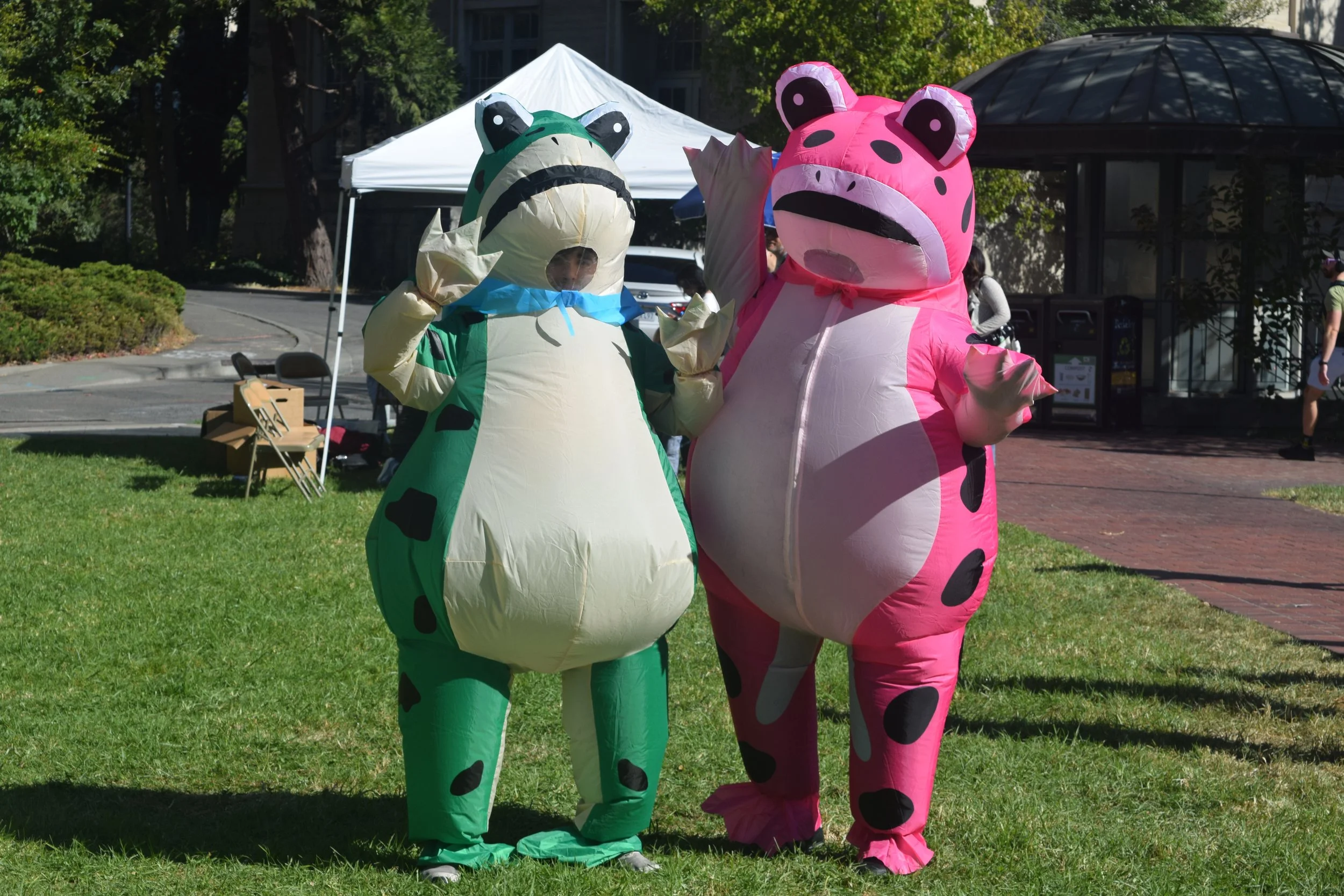
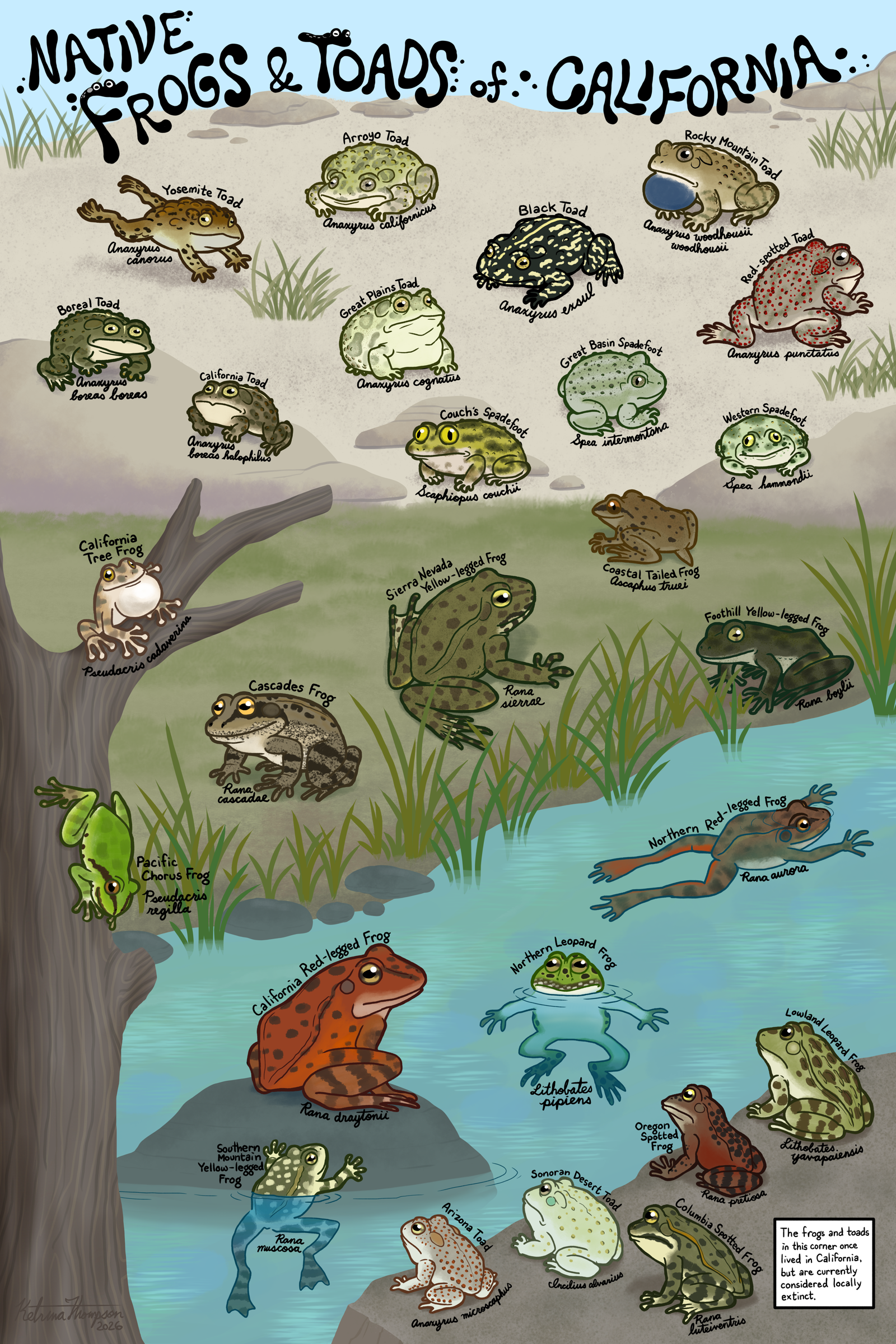
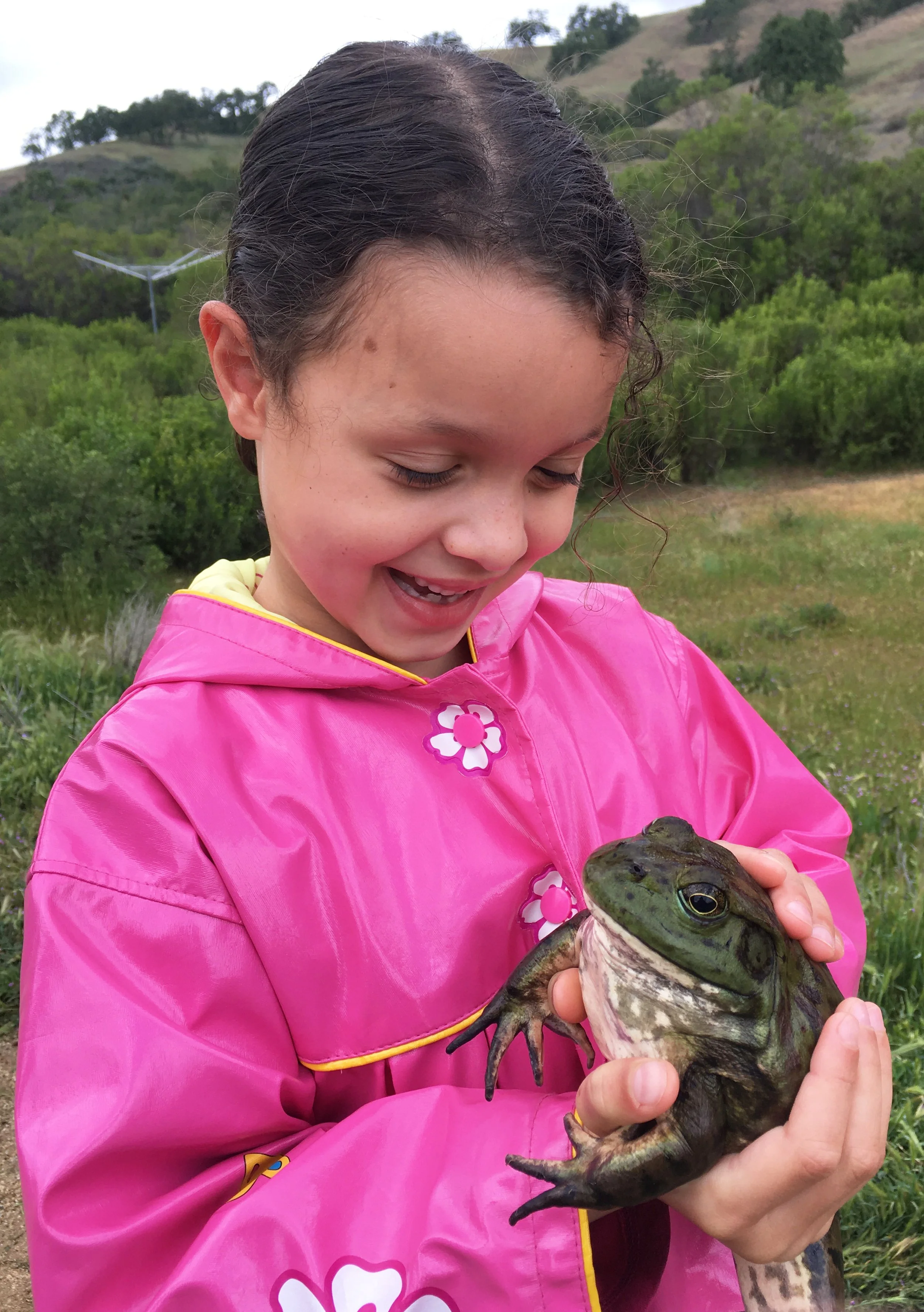
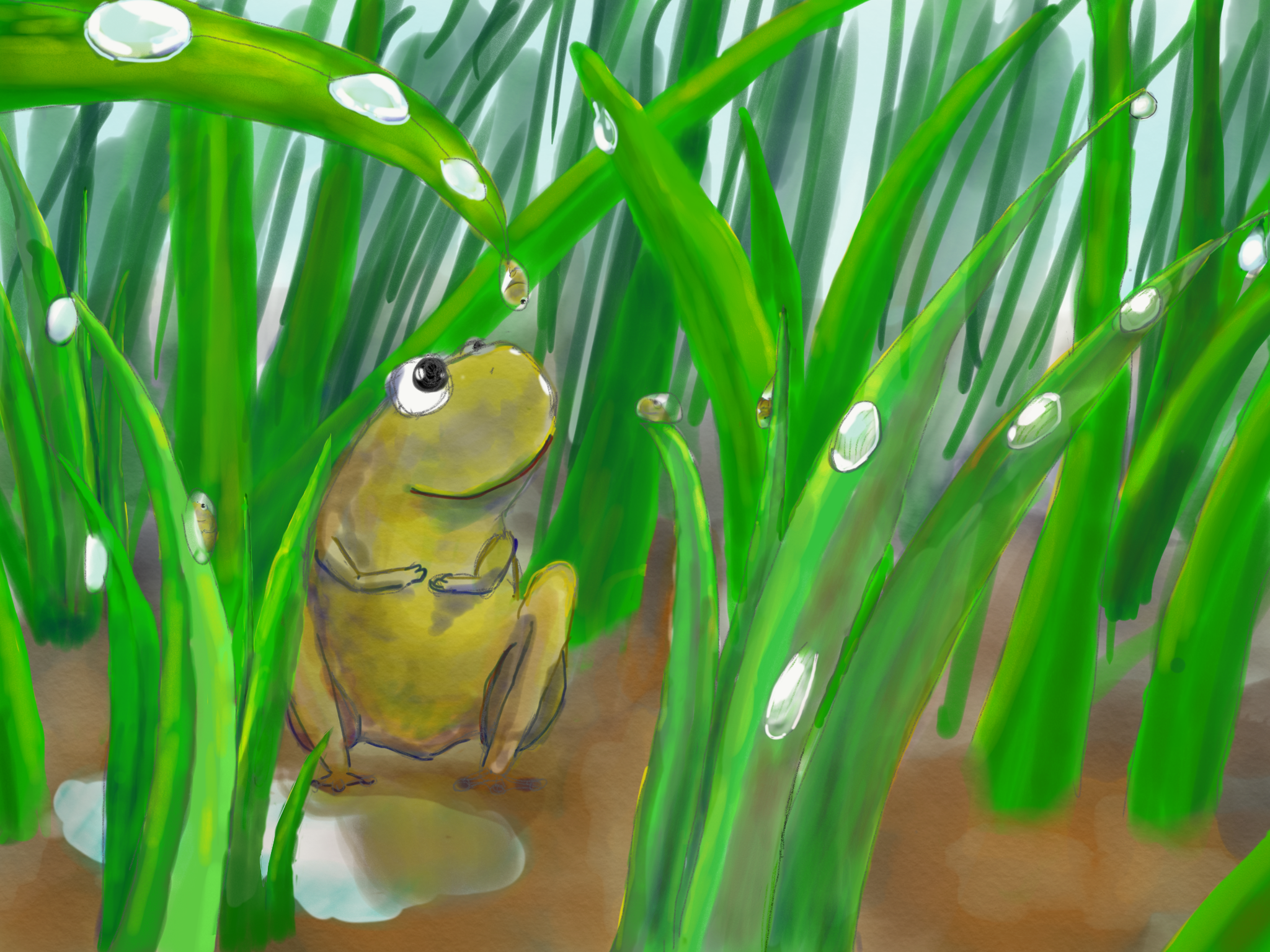
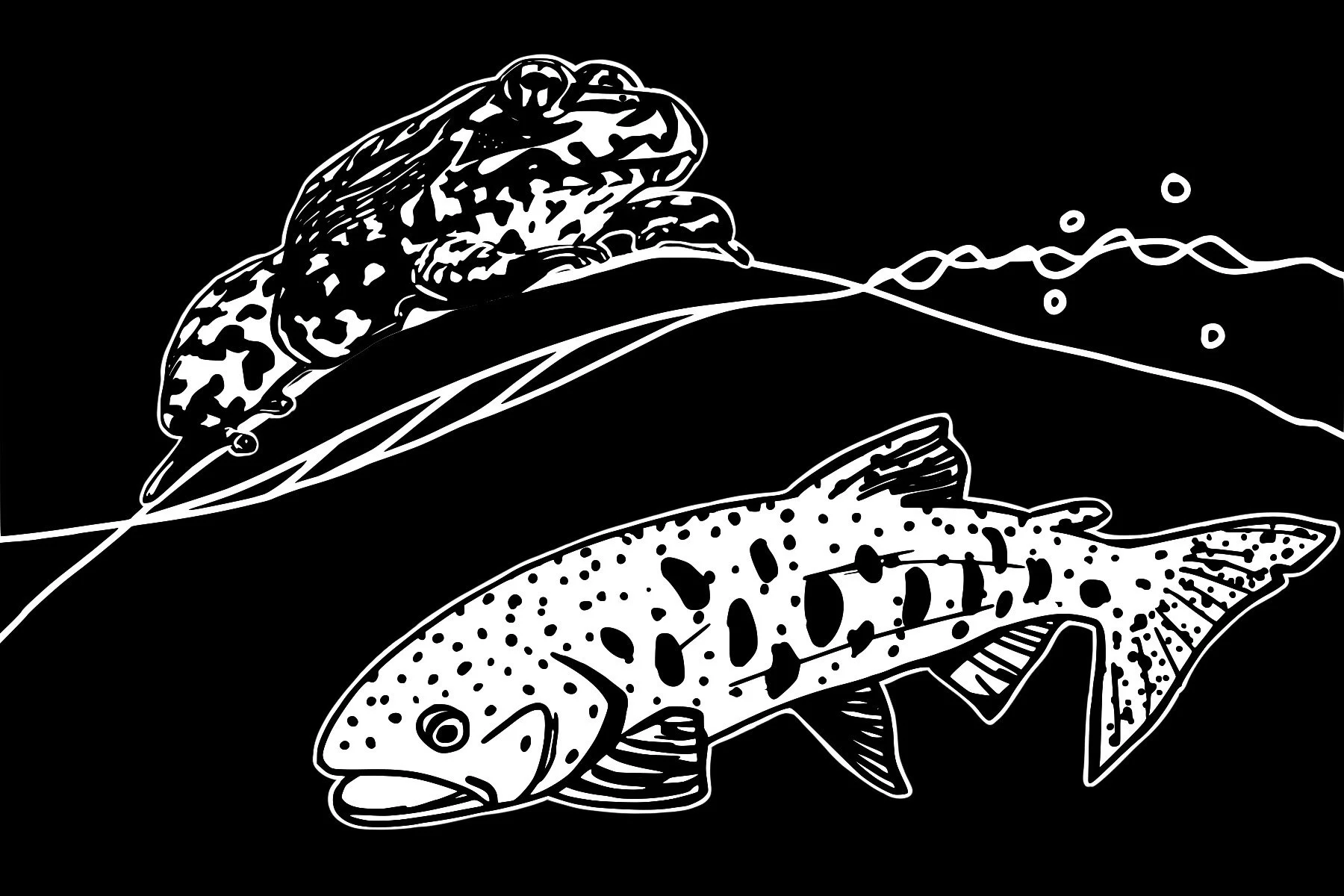
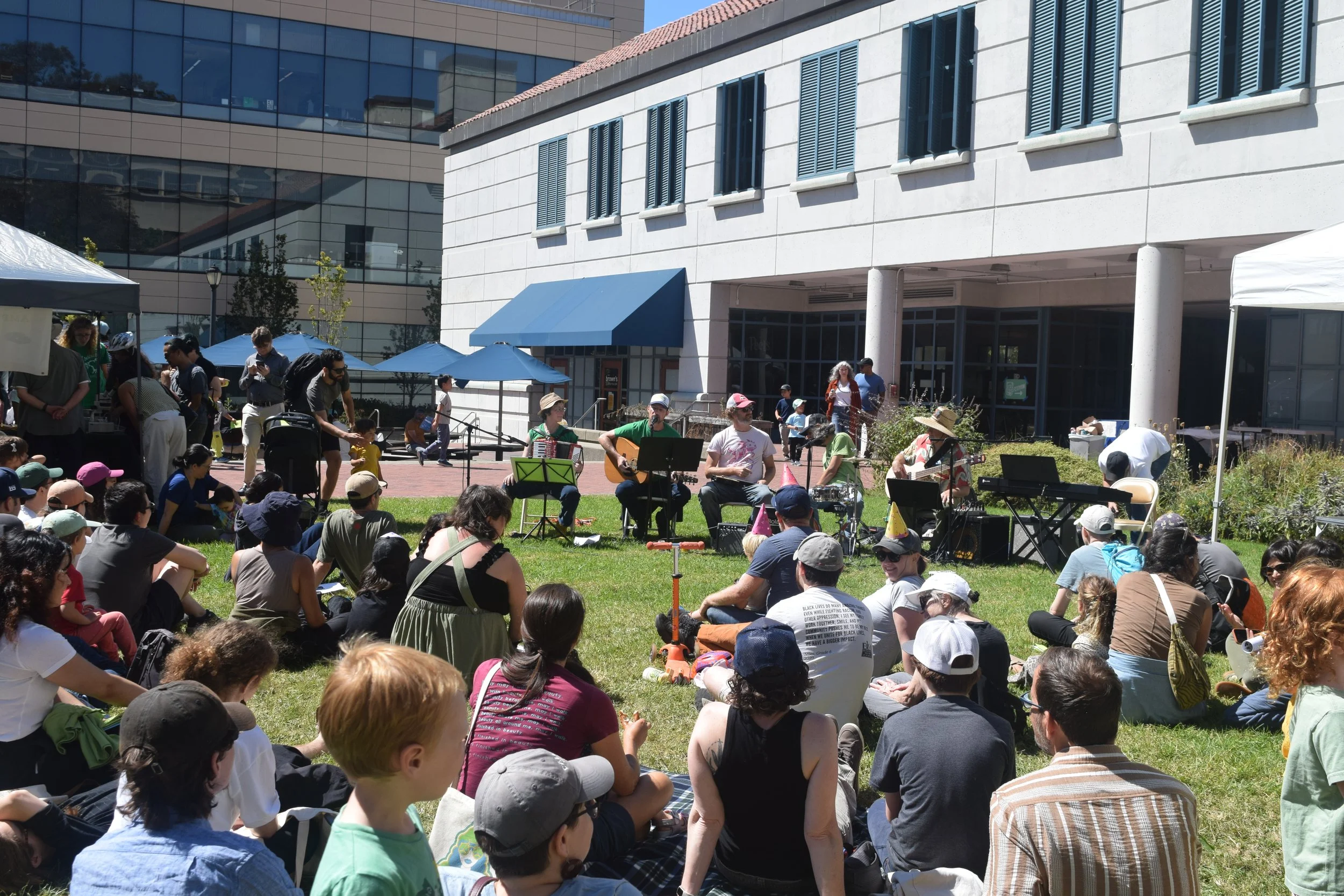
Berkeley Frog Fest is a free family-friendly, community-oriented art and science festival held at UC Berkeley by frog nerds and their friends
When and where
Sat. Aug. 29, 2026 1-5pm
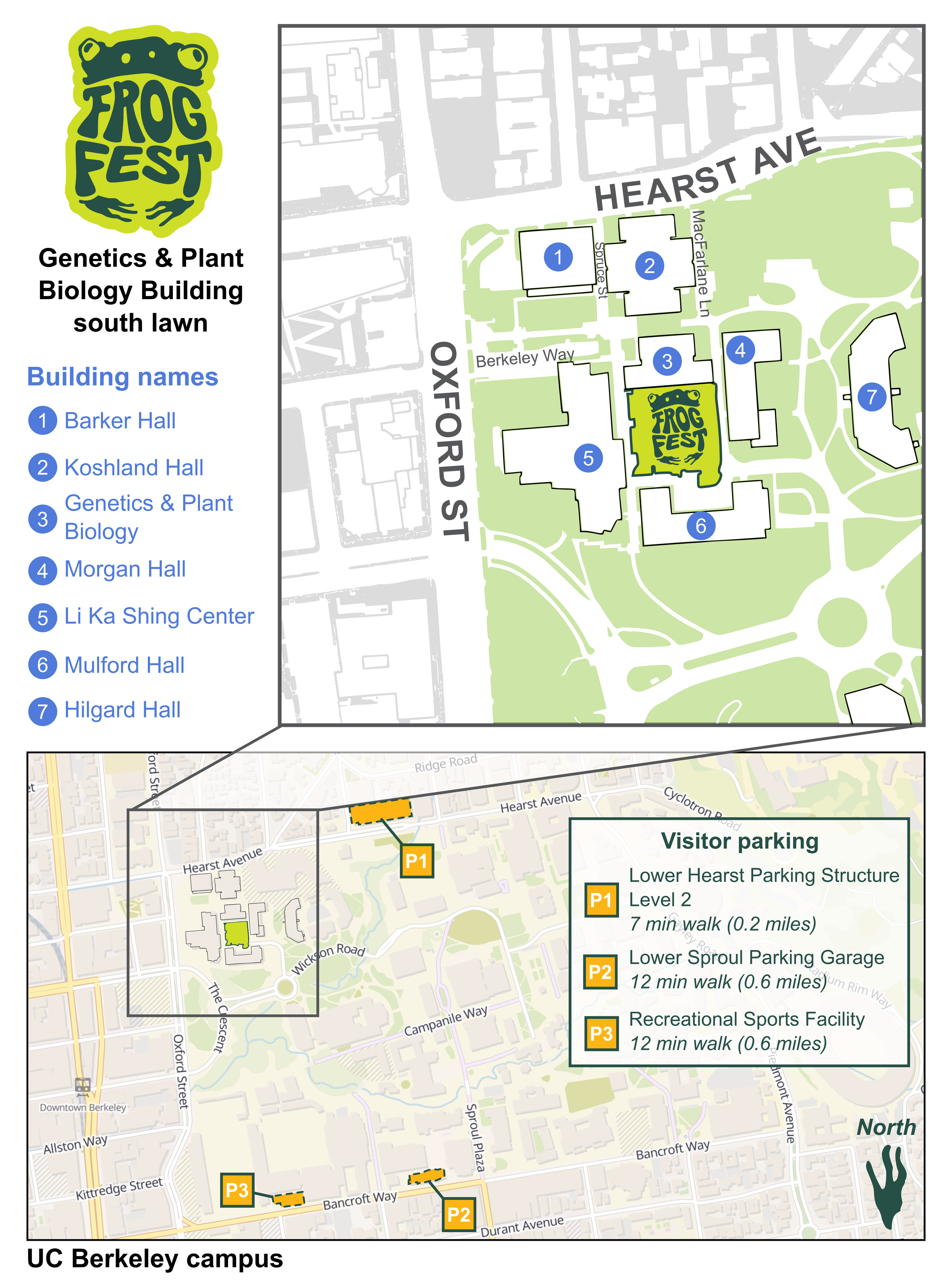
Genetics & Plant Biology Building south lawn, UC Berkeley Campus
Activities
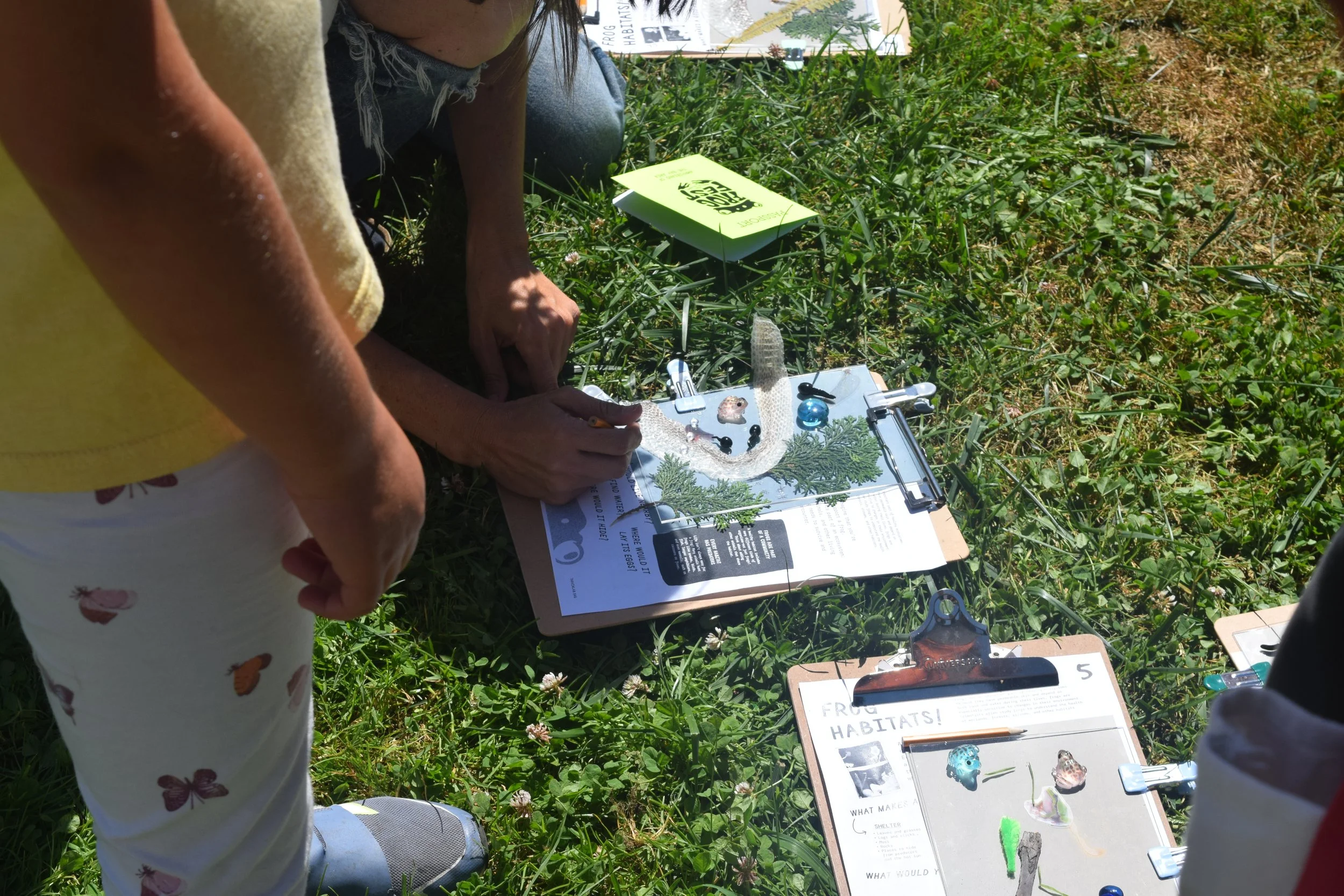
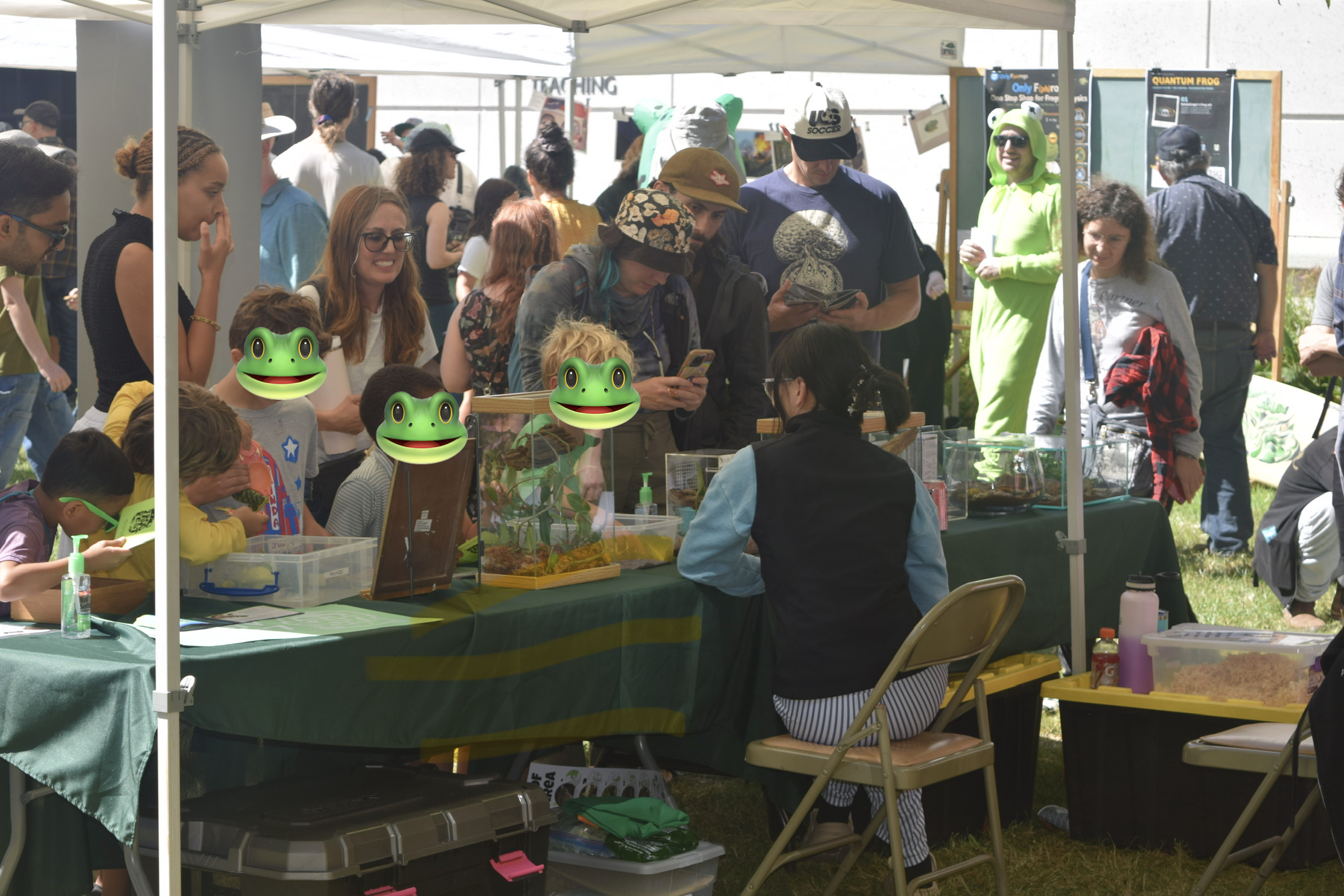
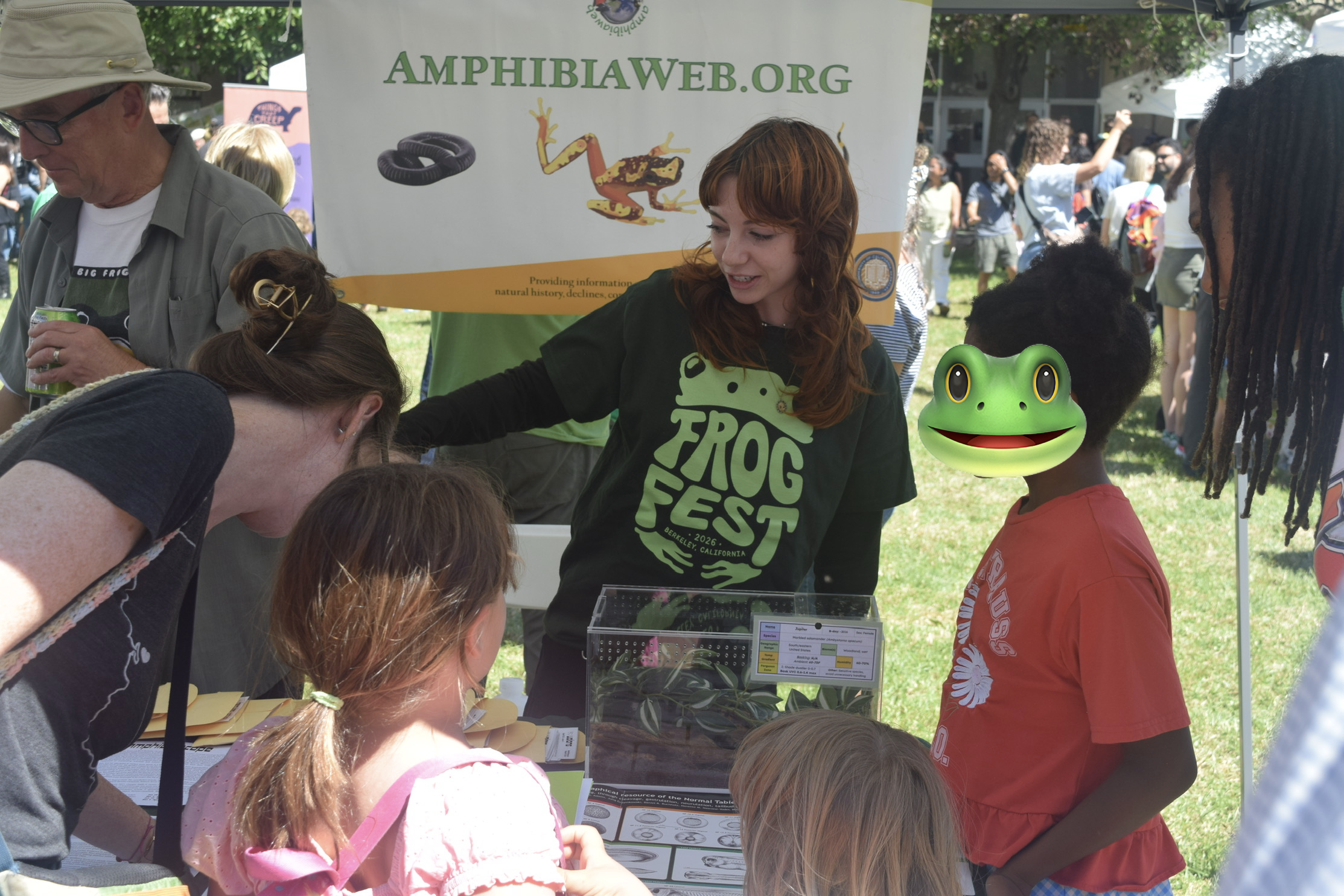
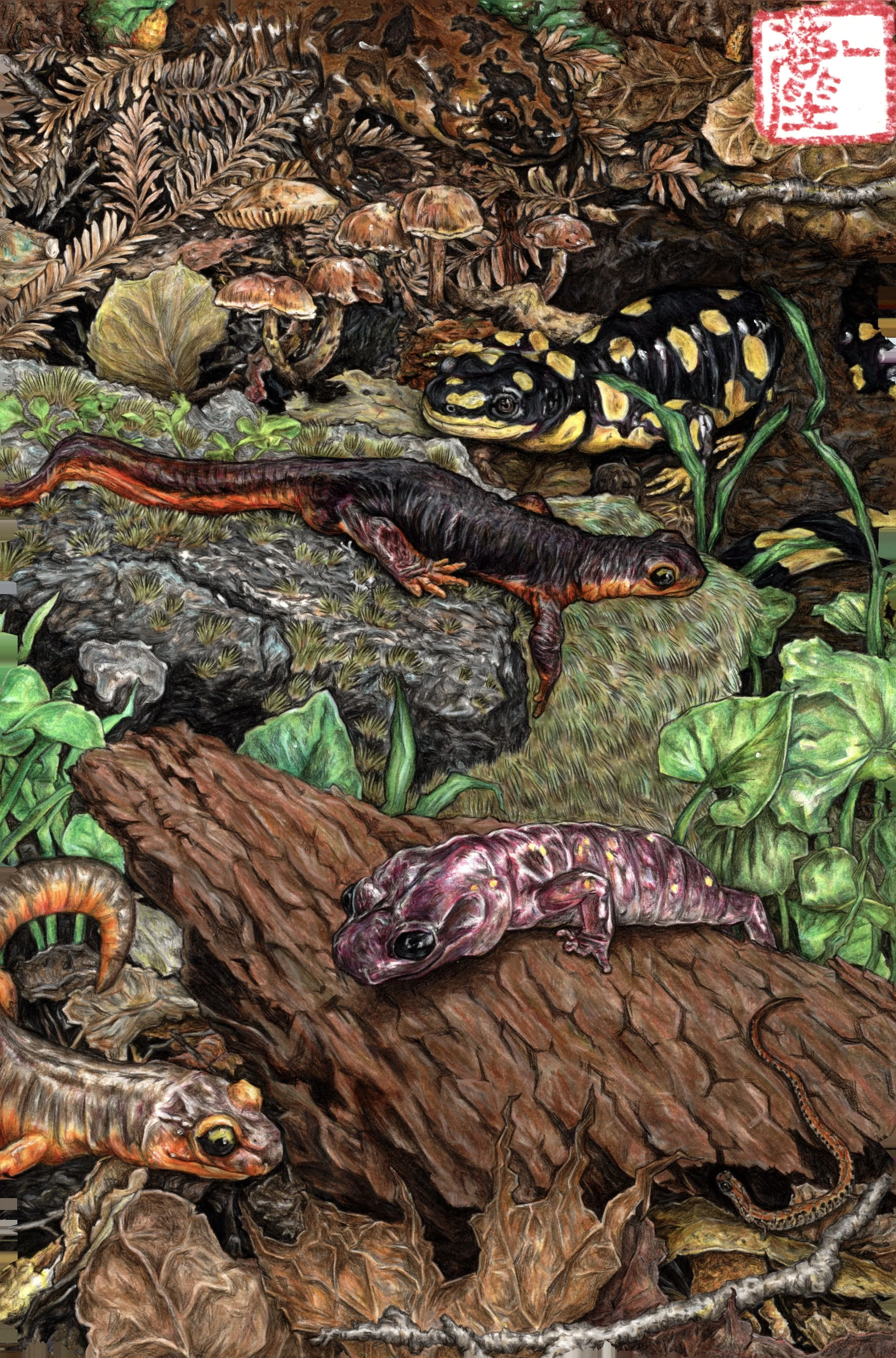
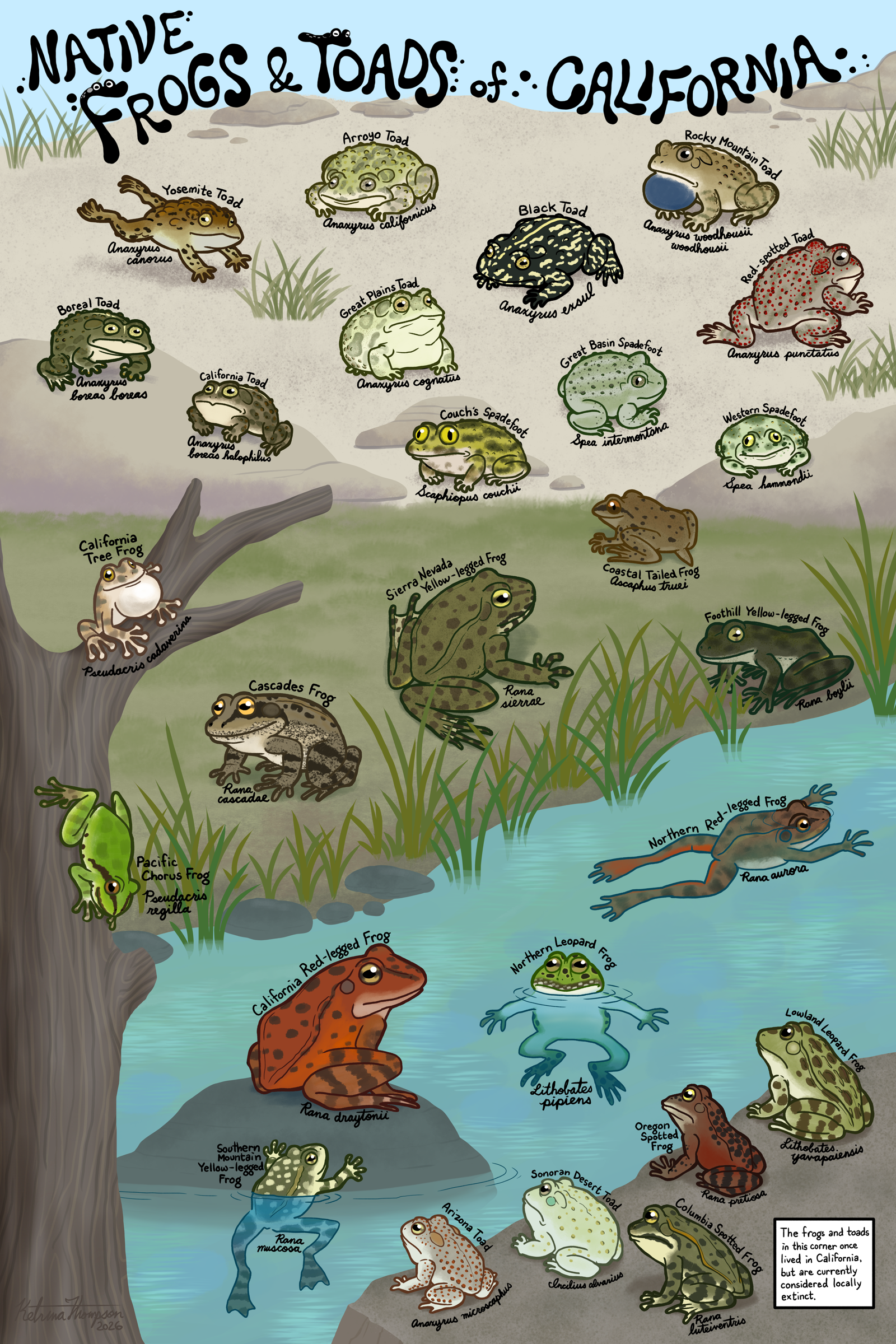
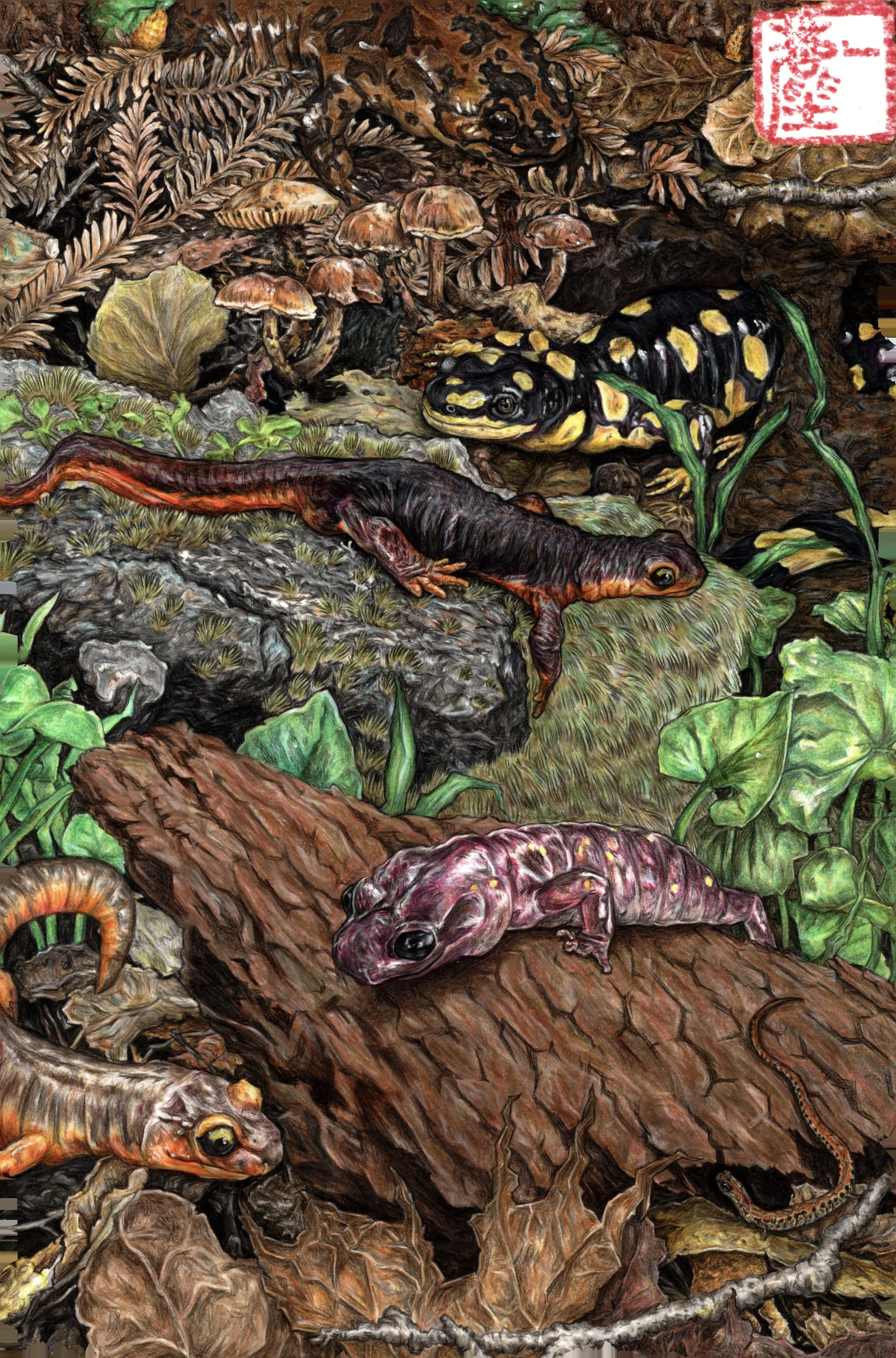
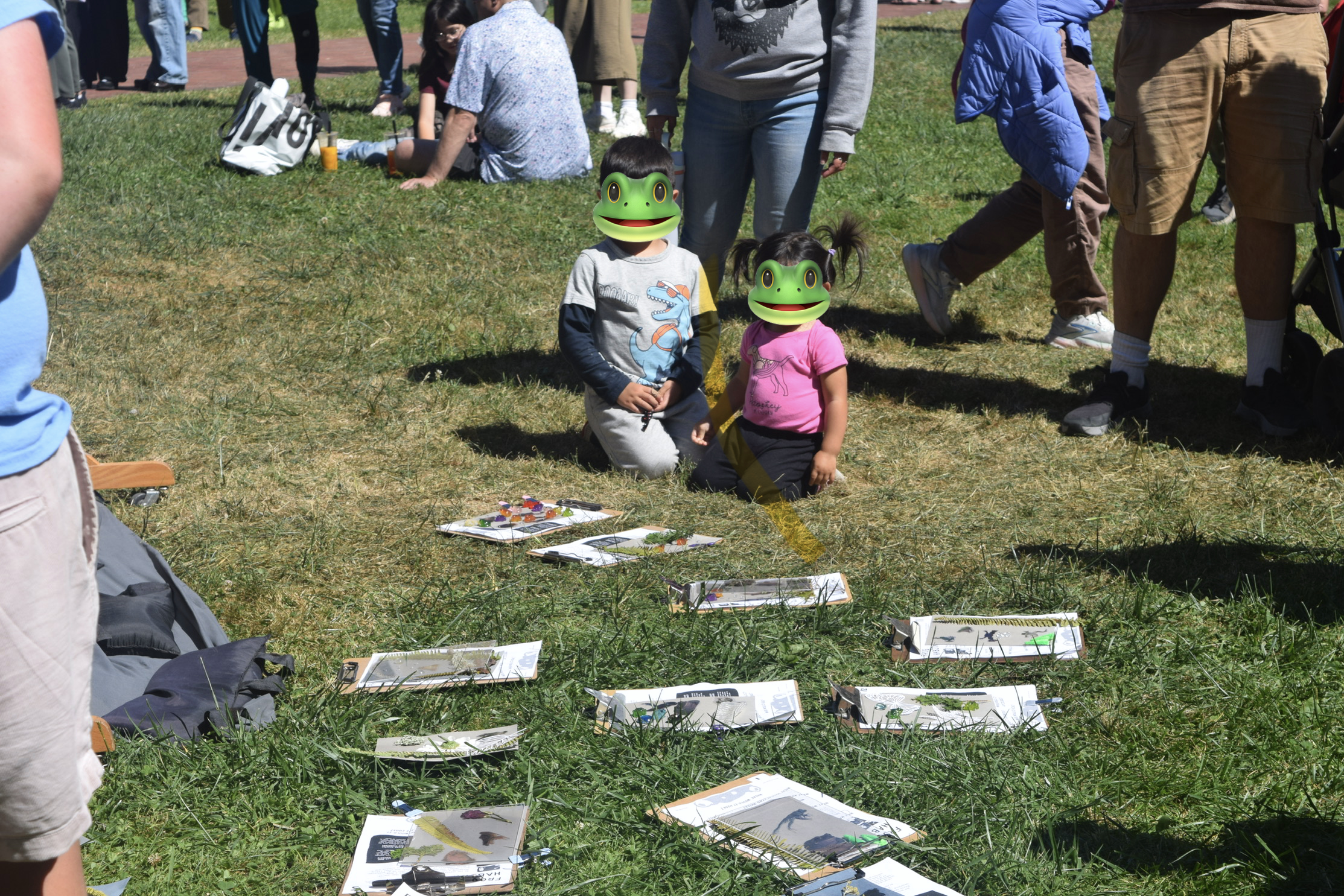
Learn about Bay Area frogs and salamanders
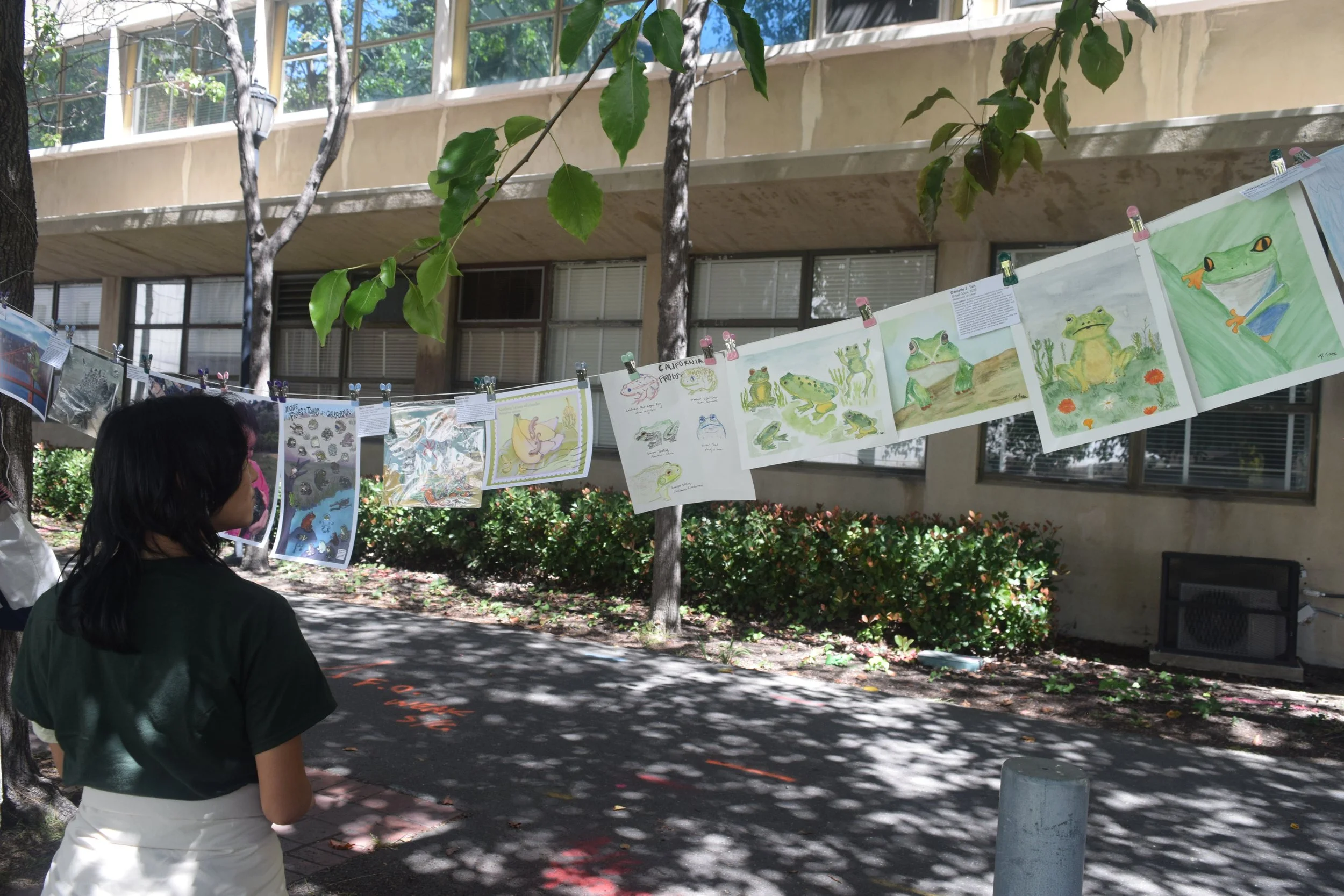
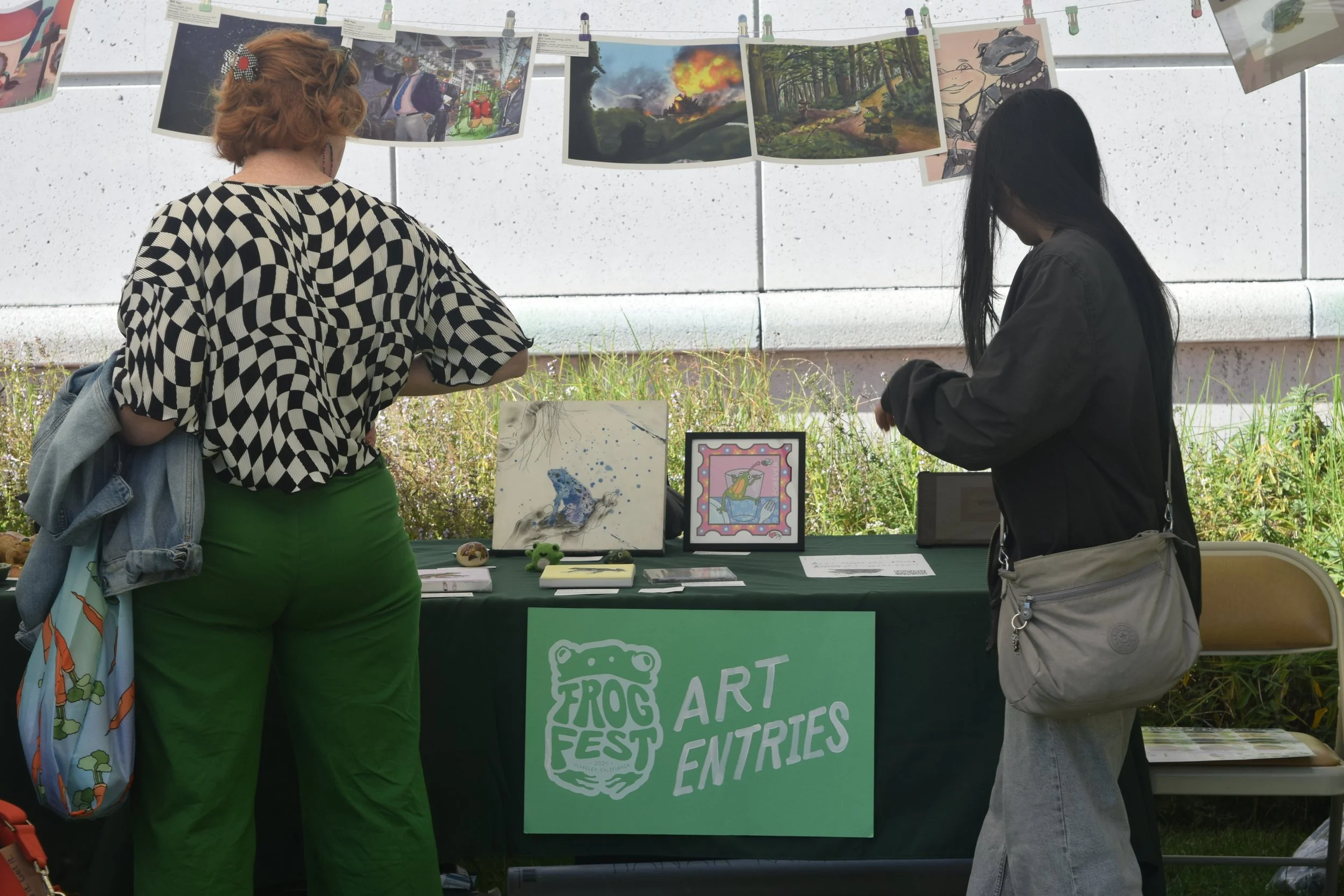
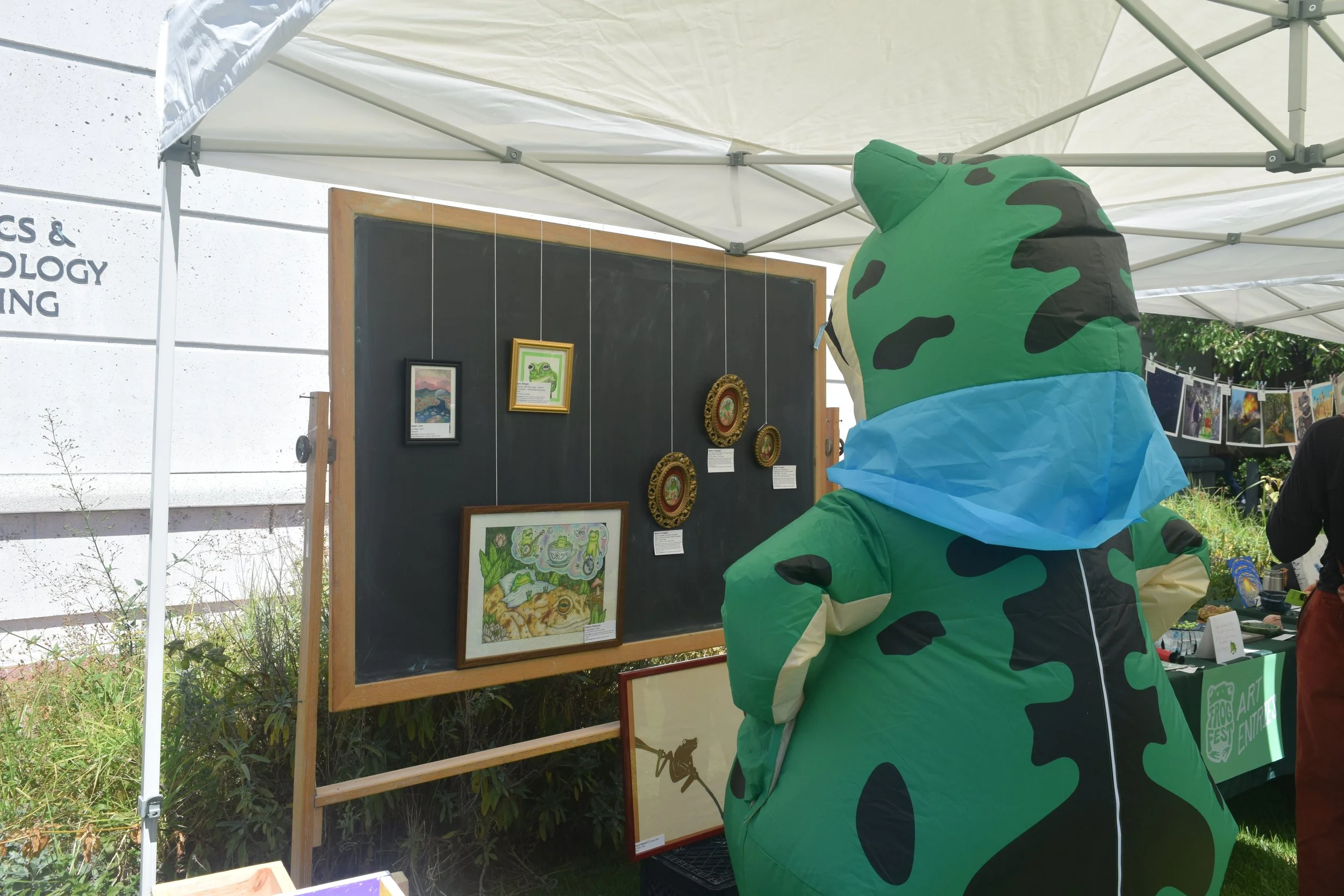
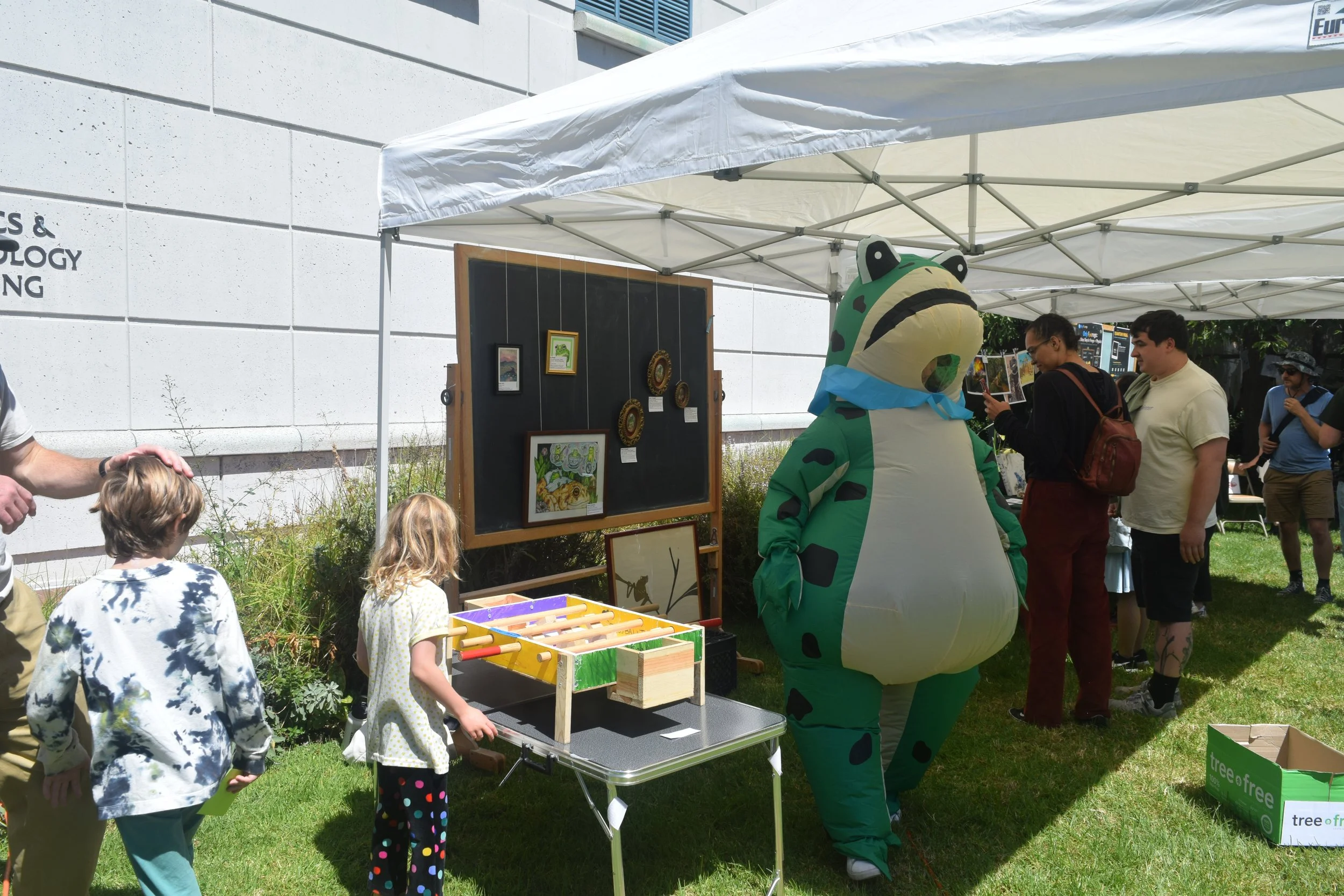
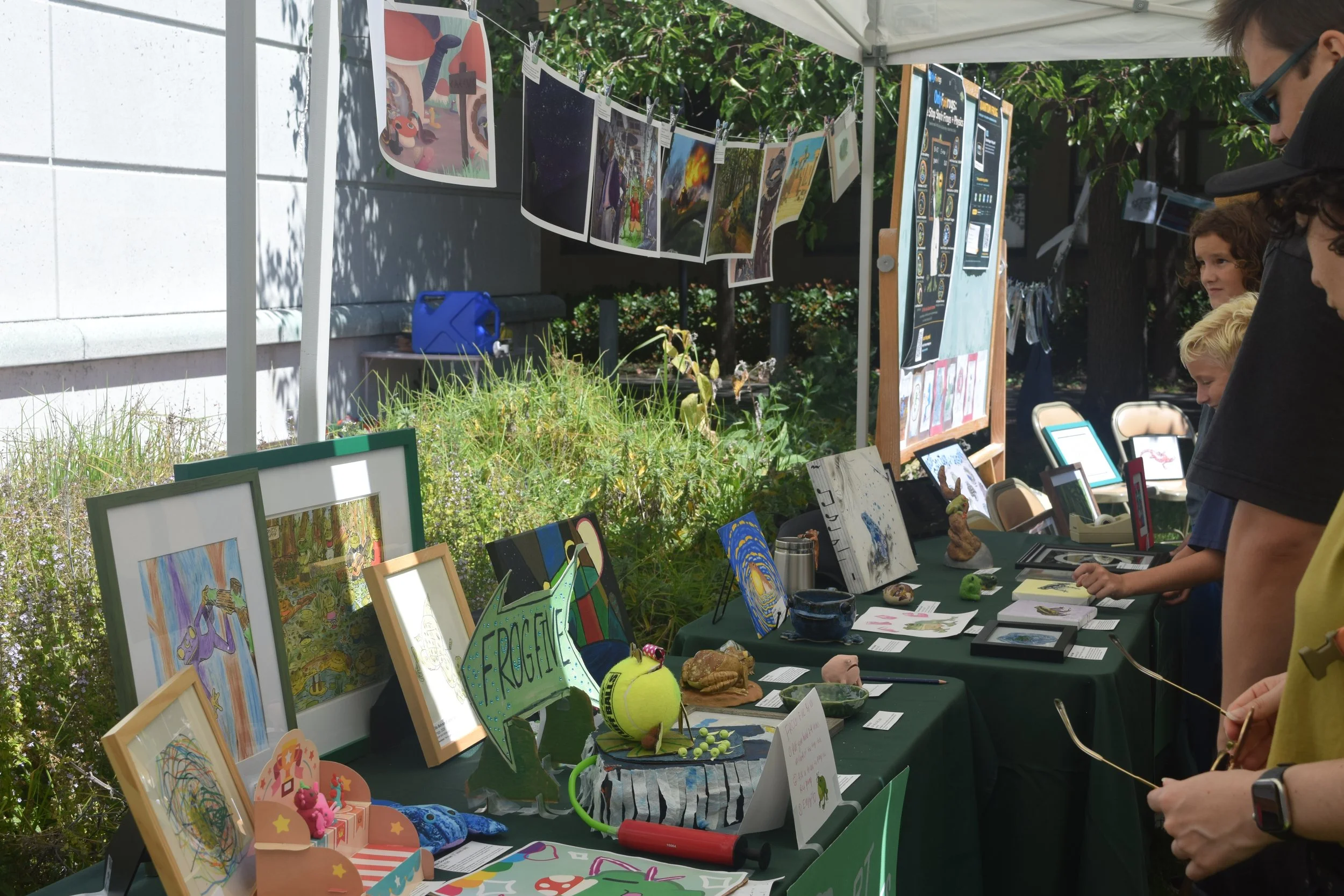
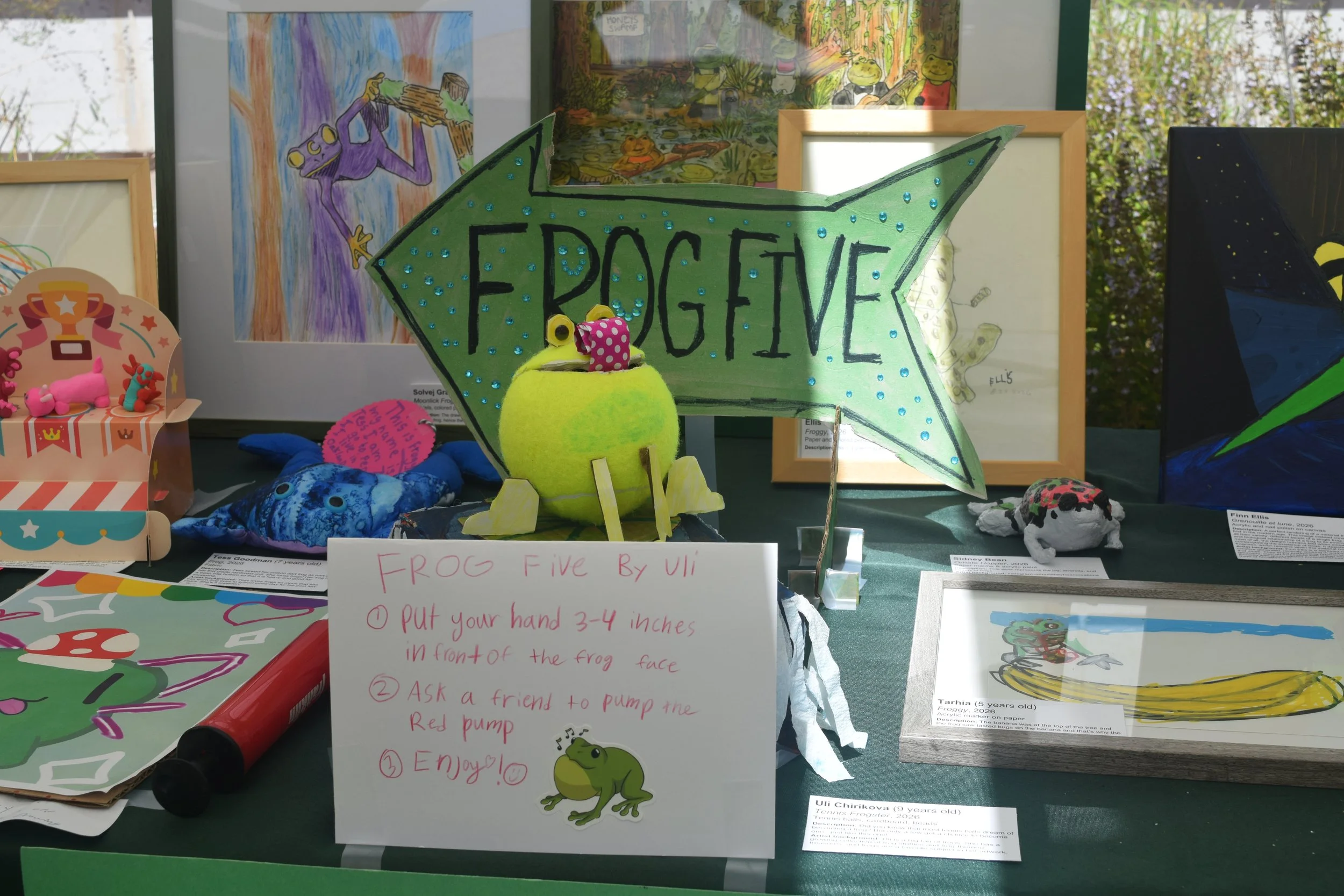
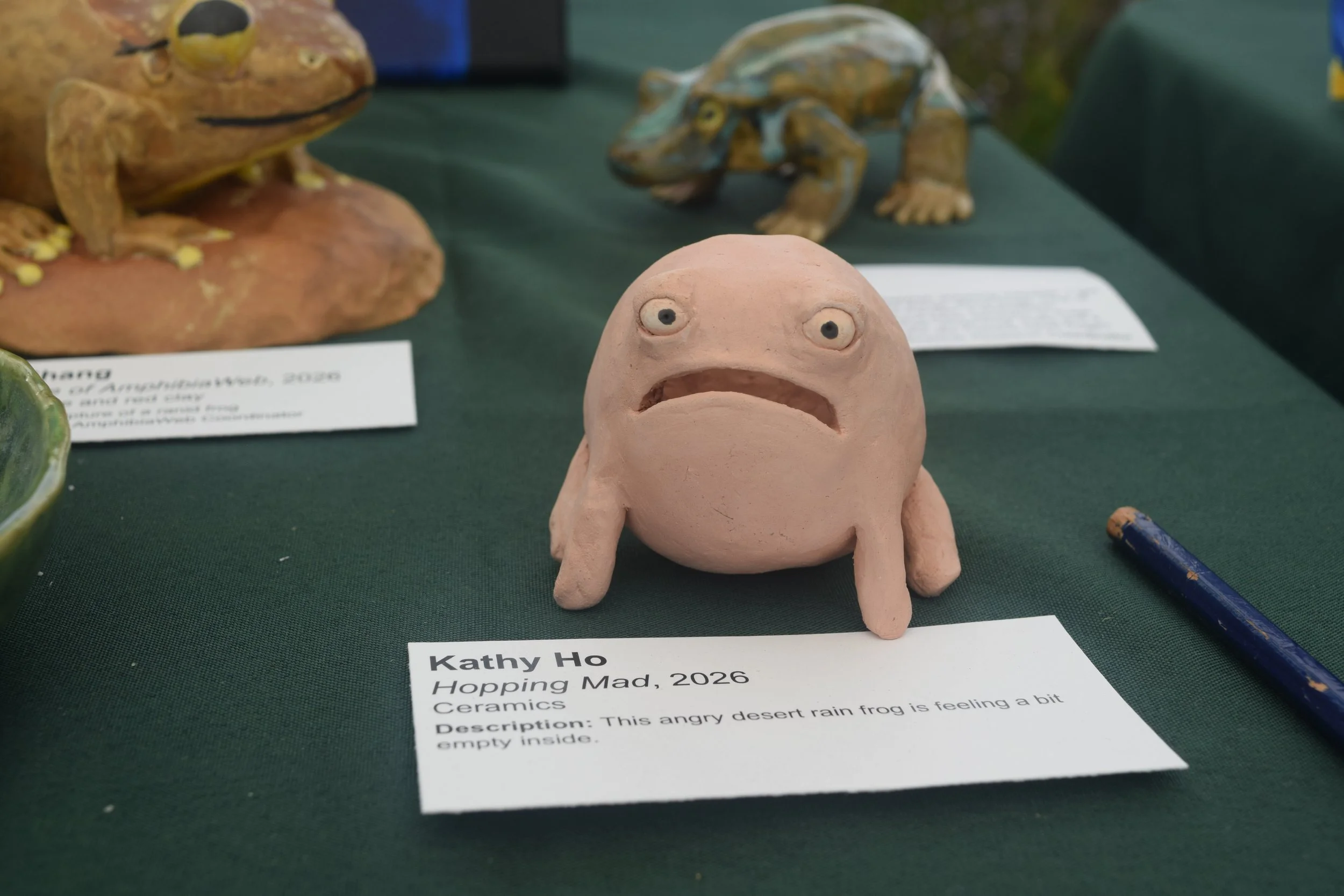
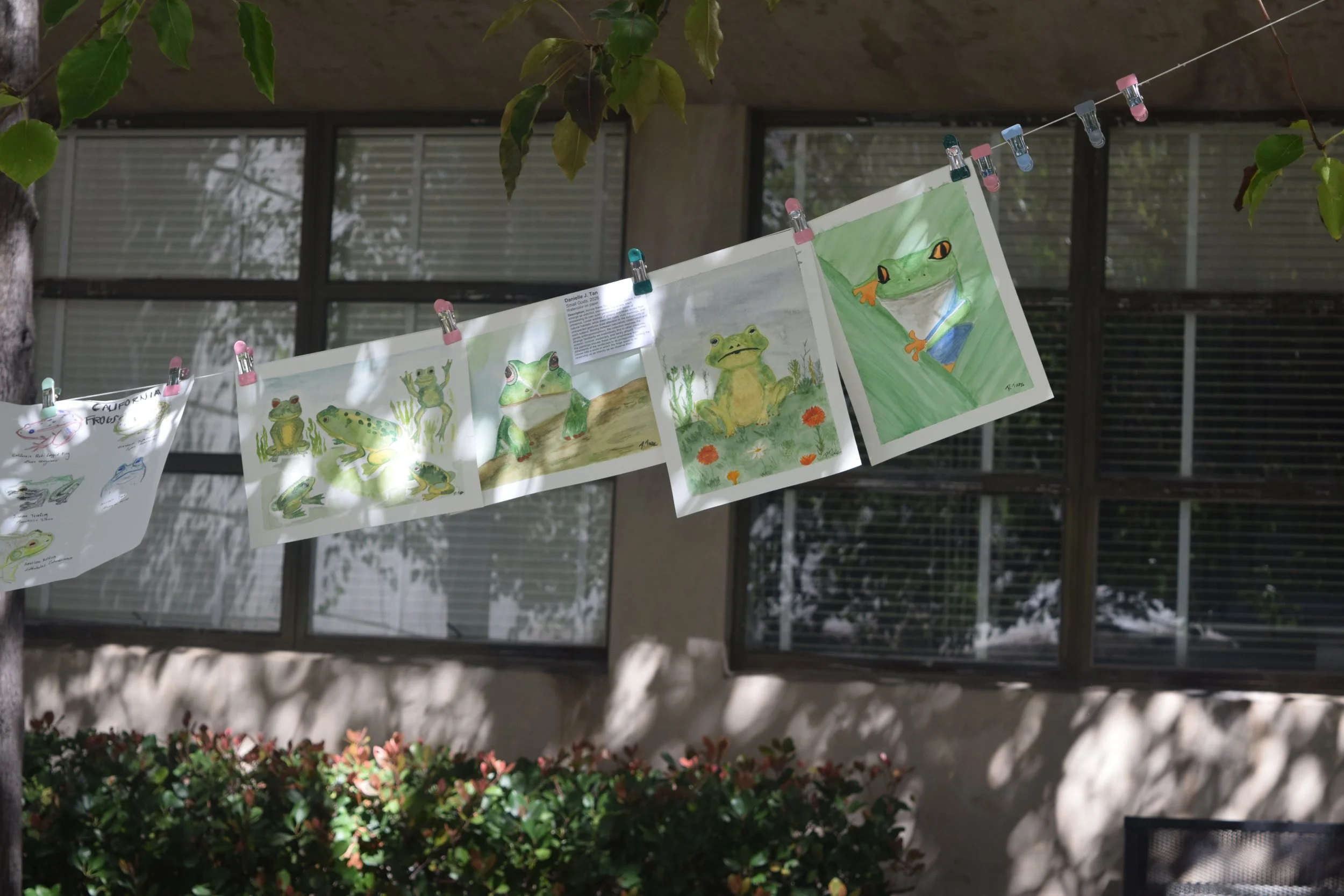
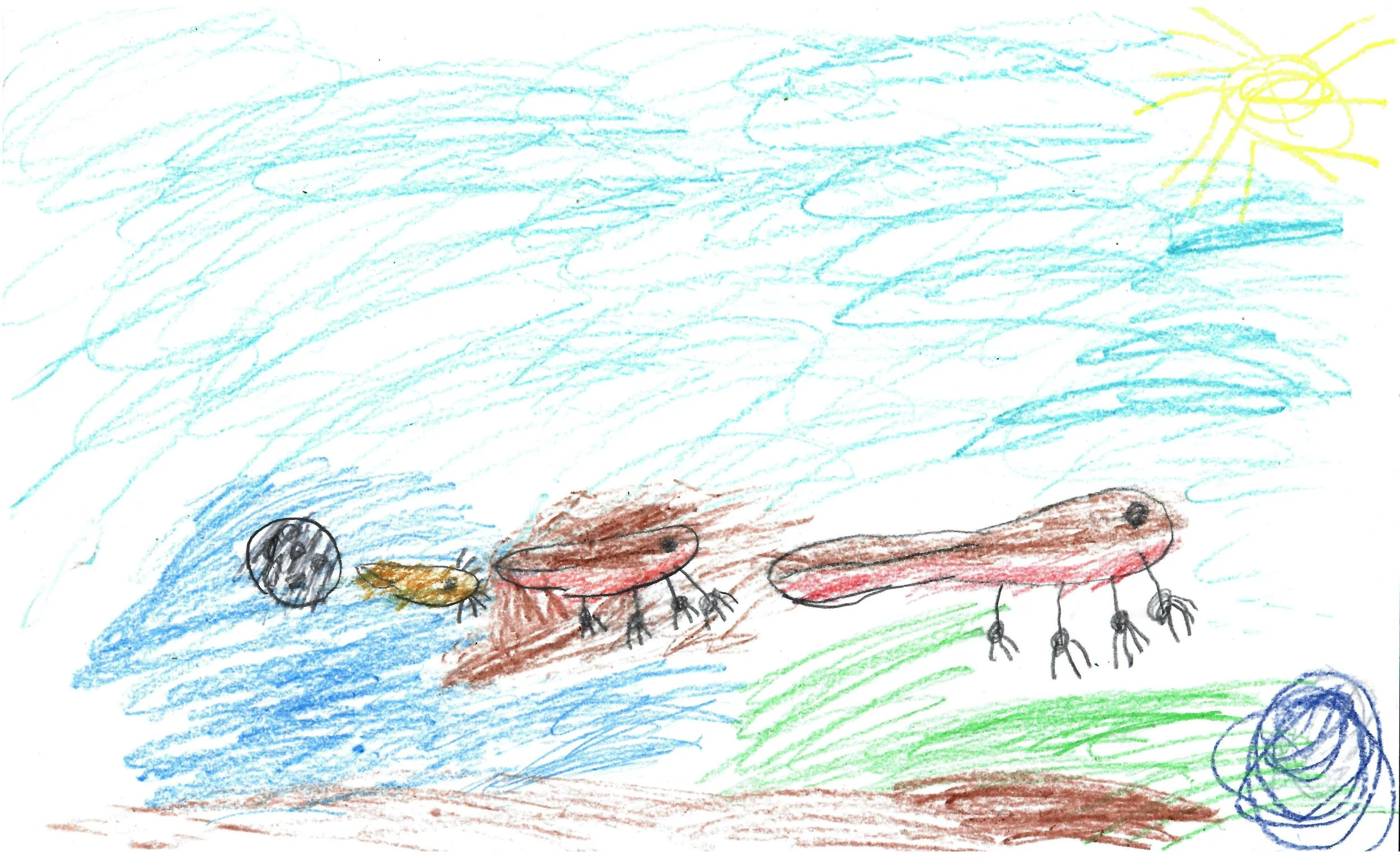
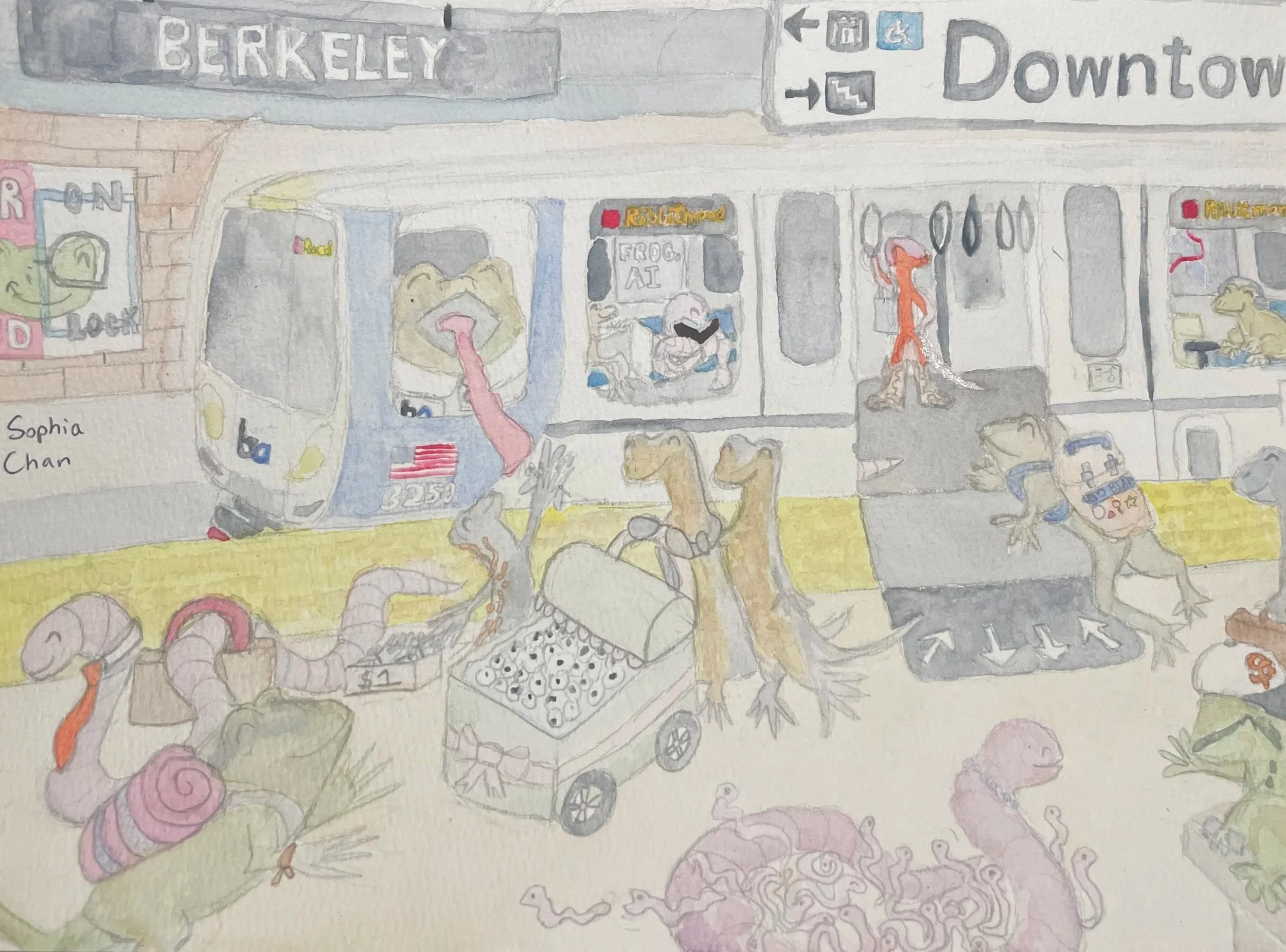
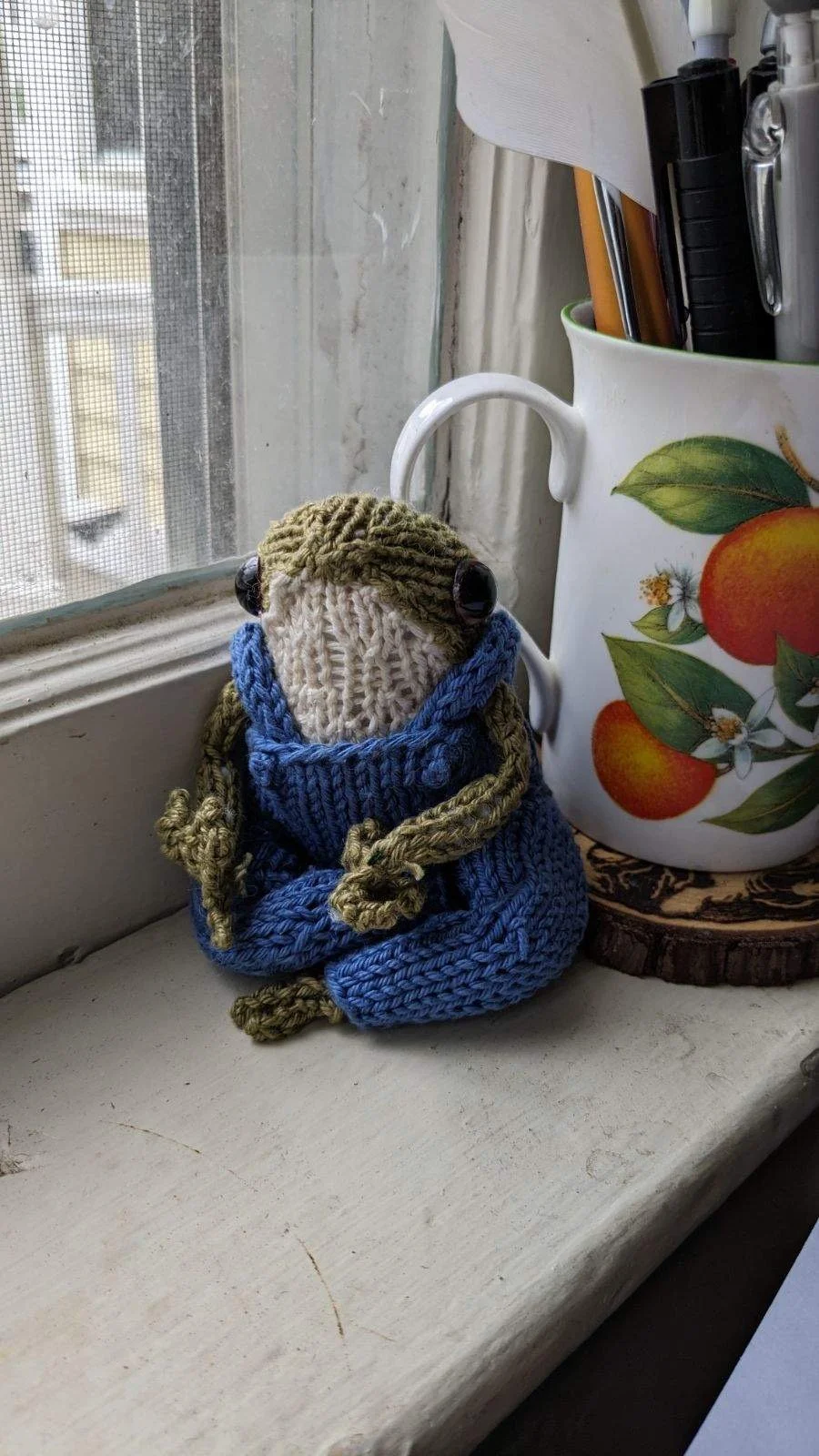
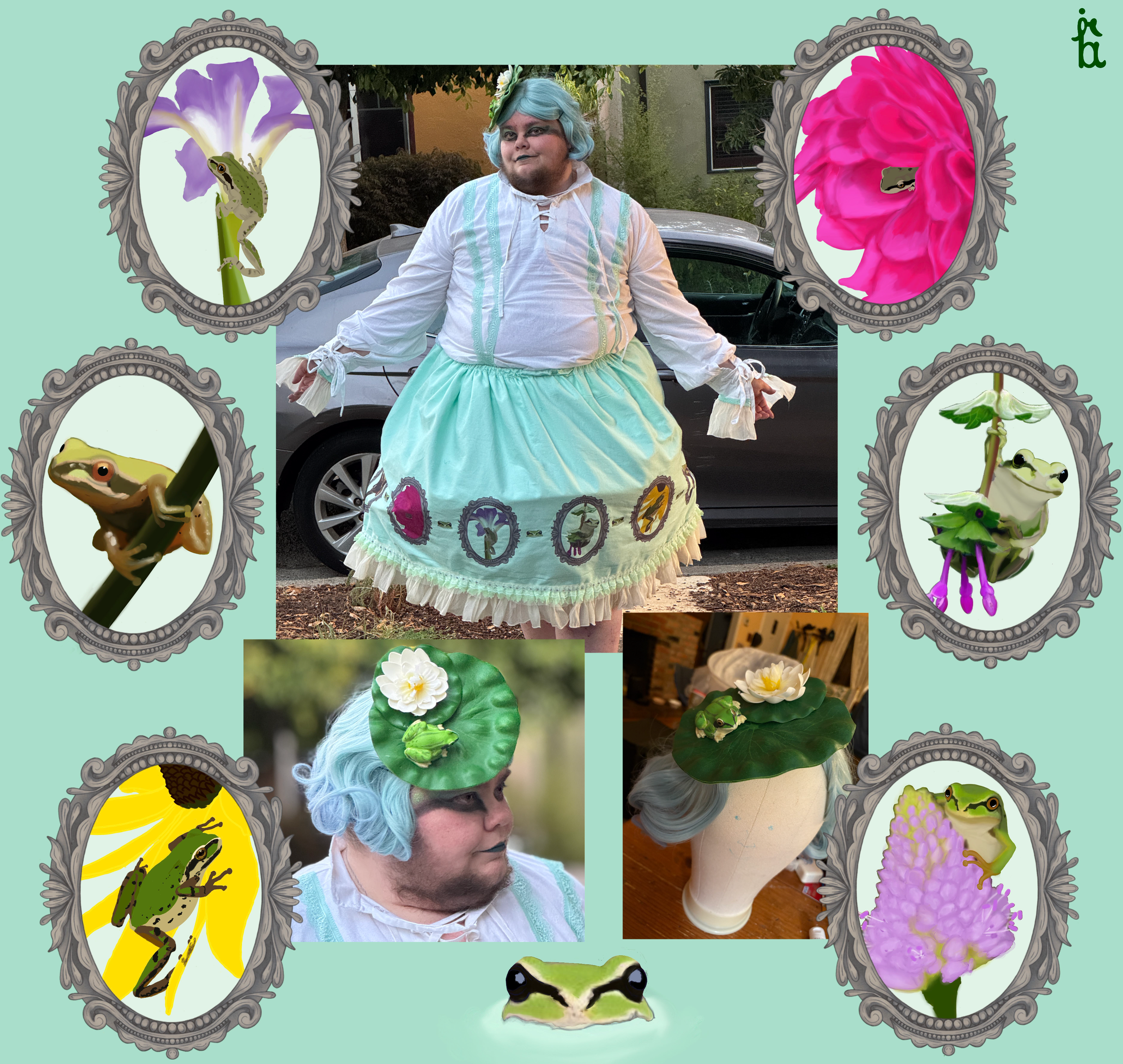
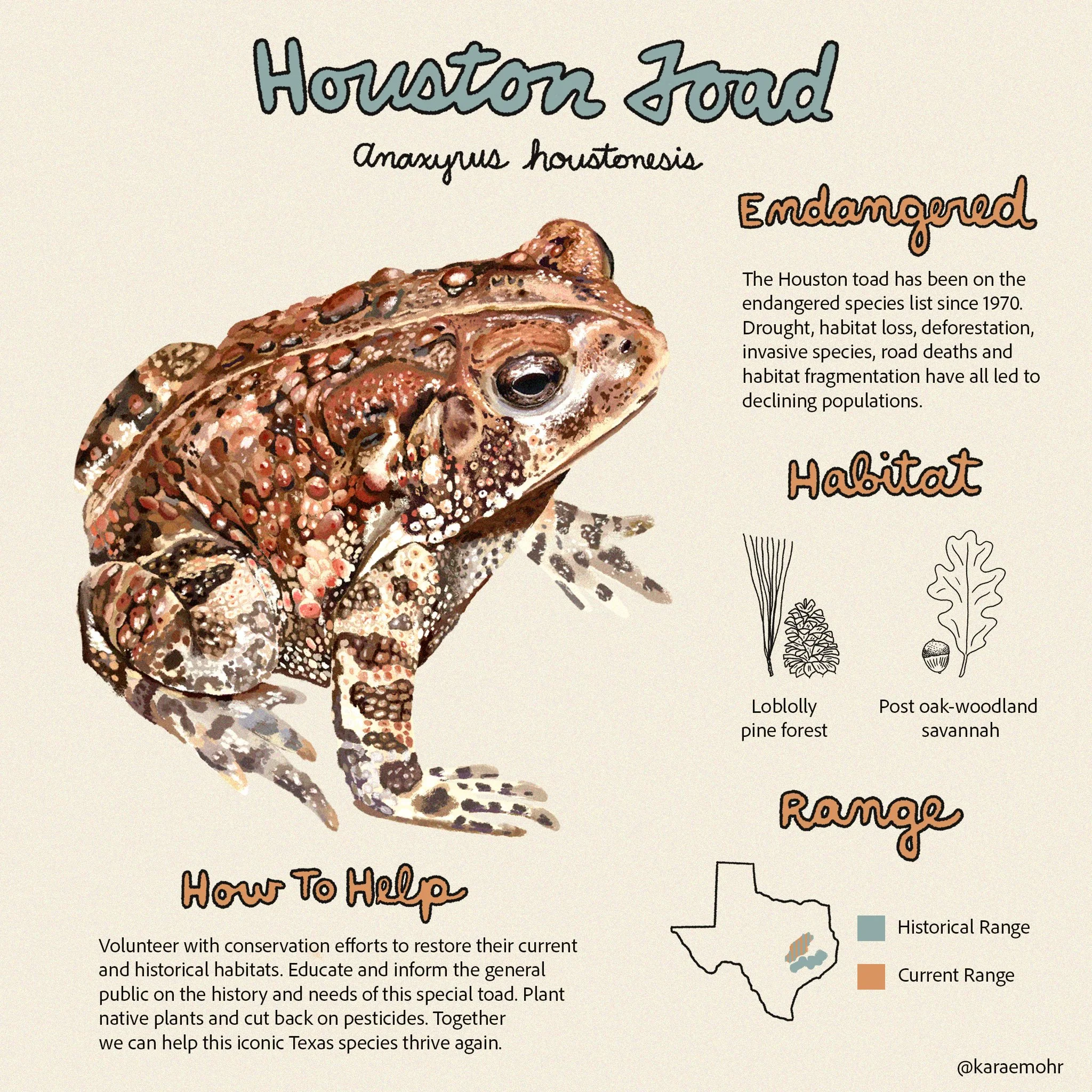
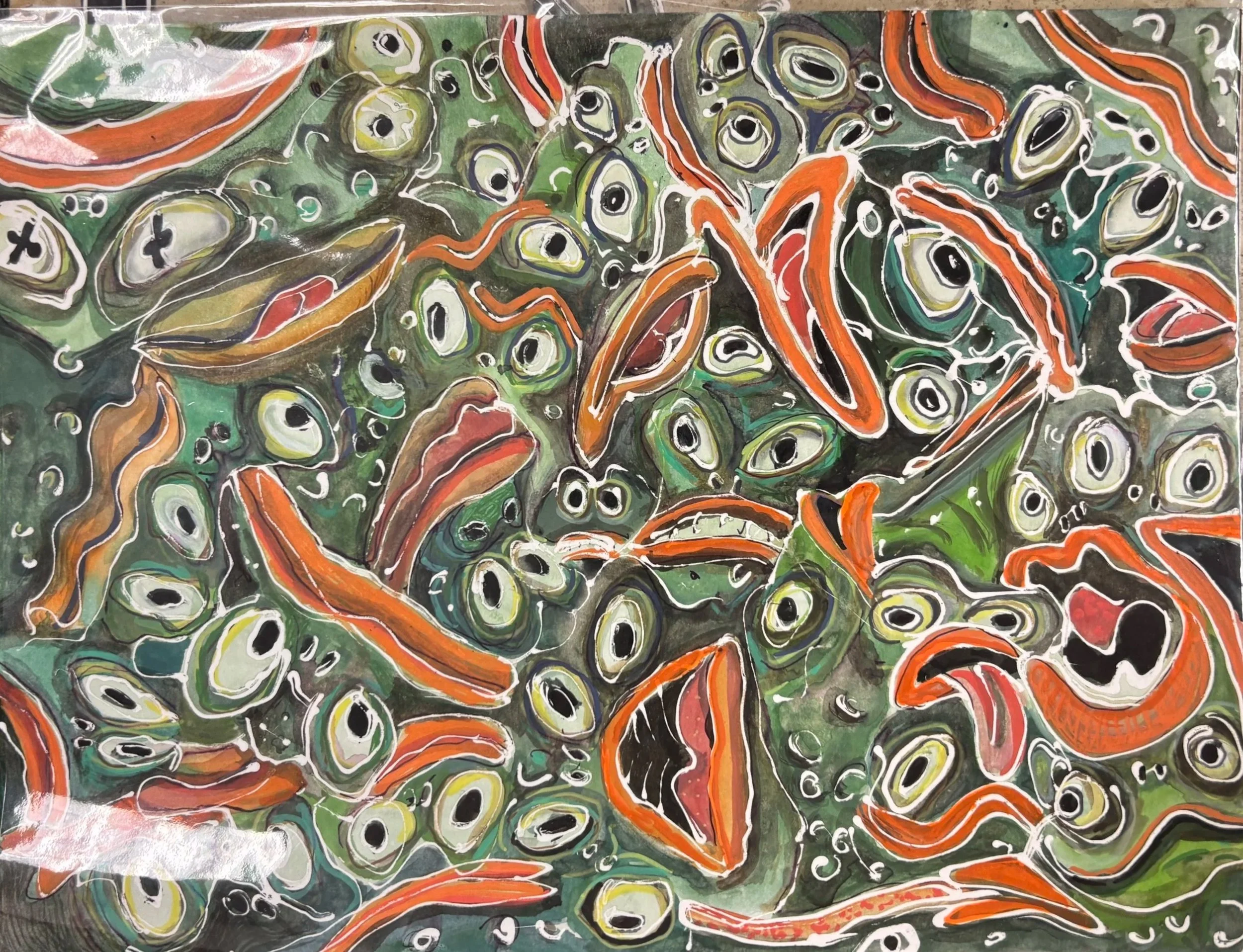
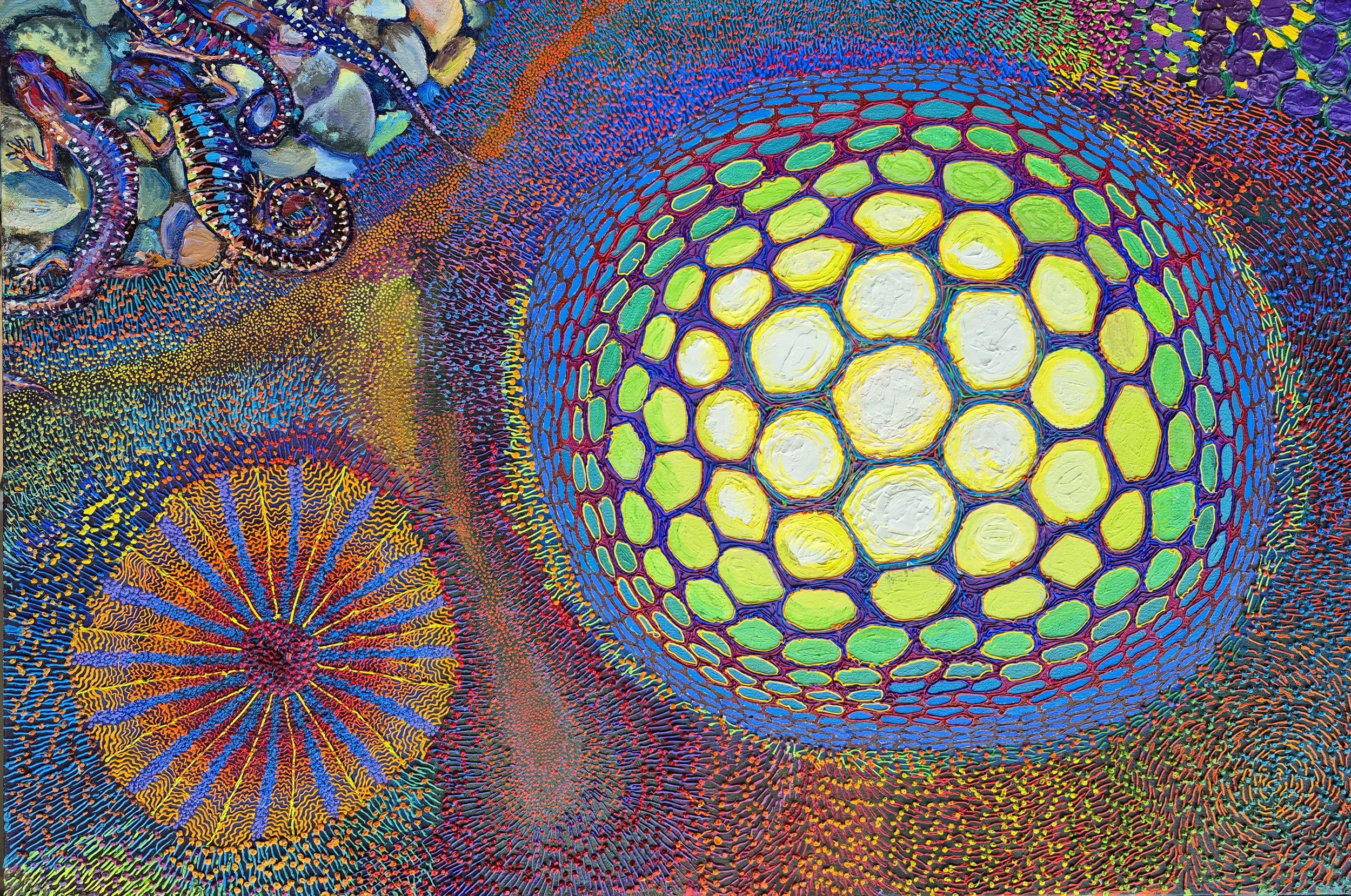
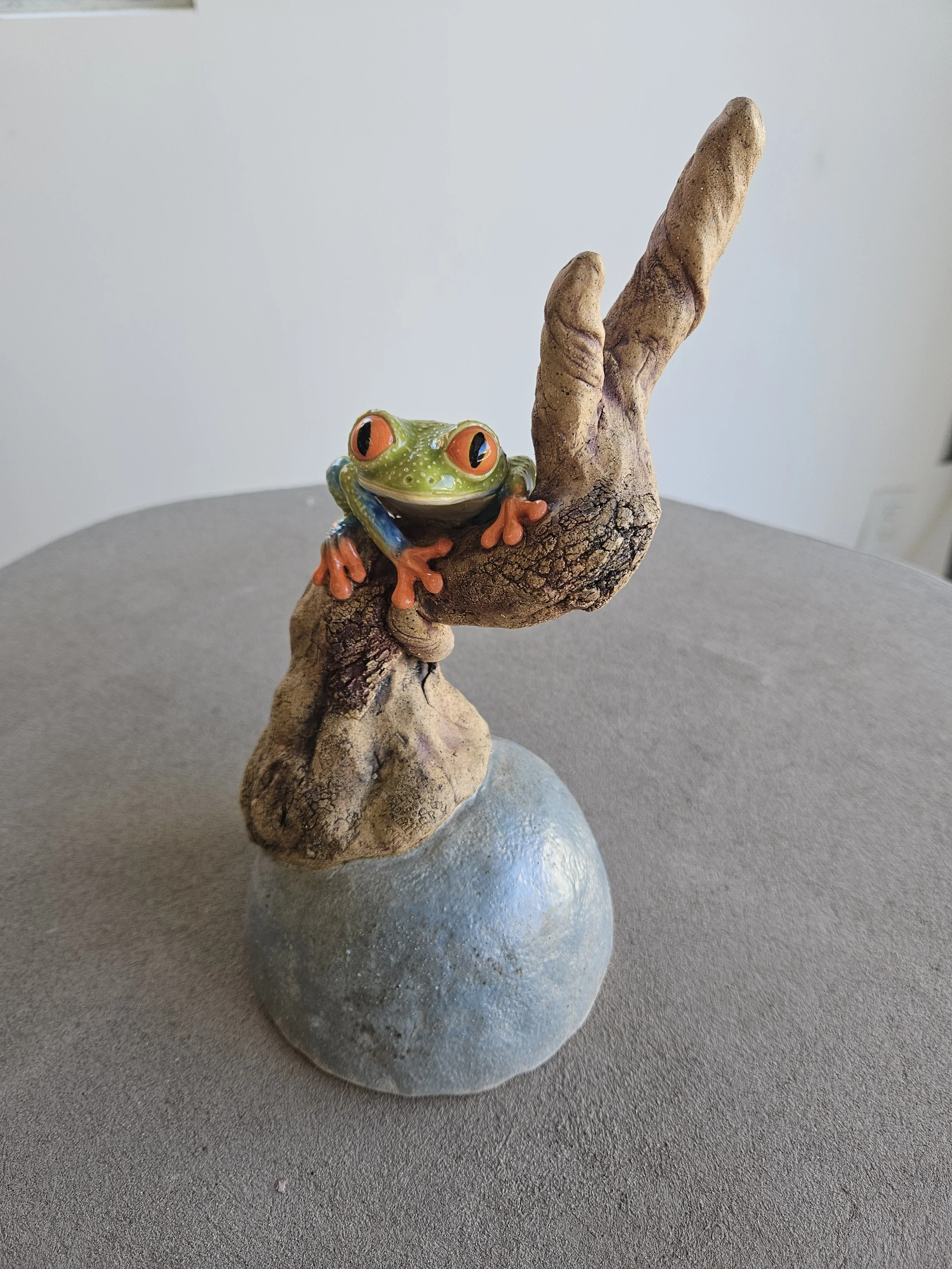
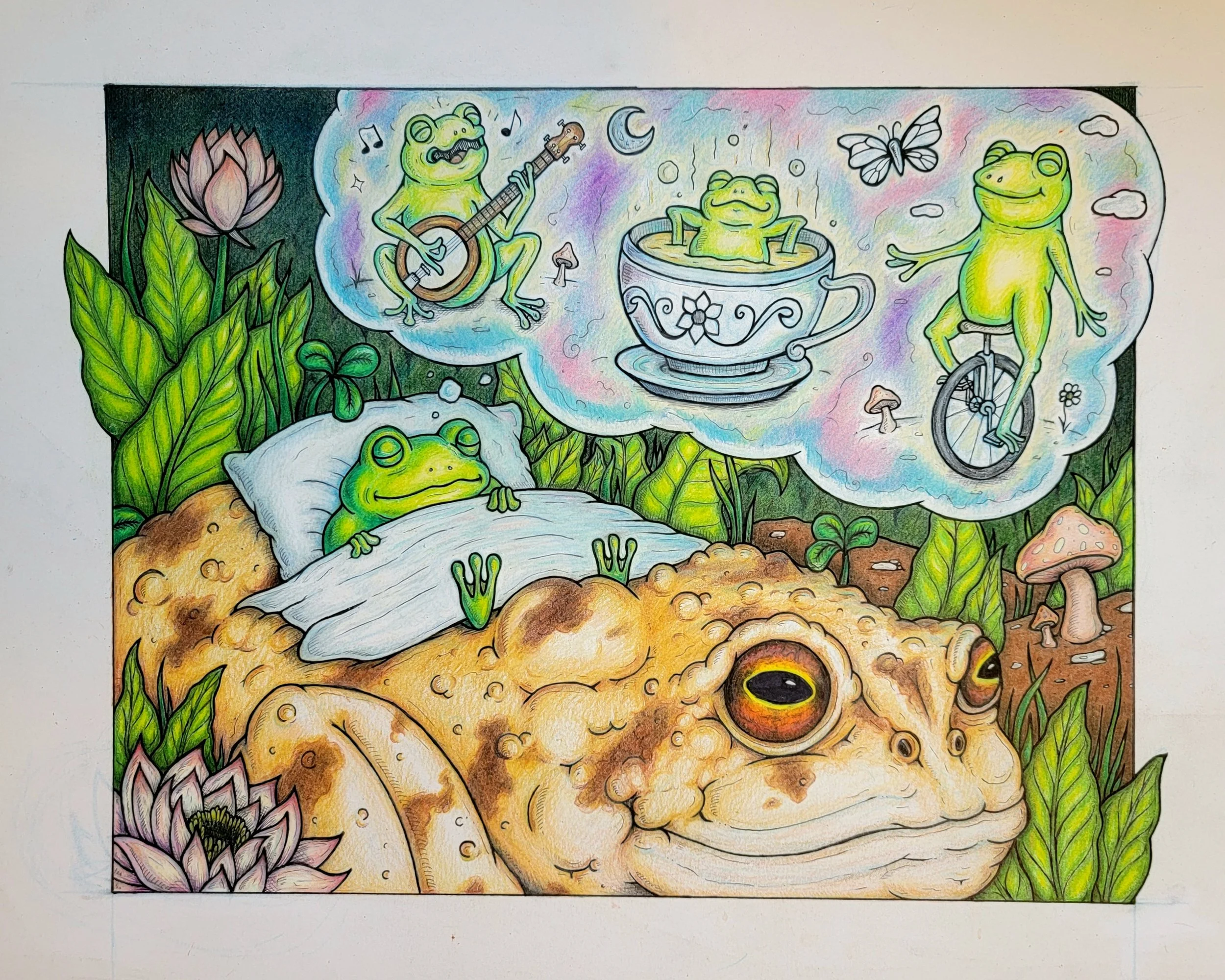
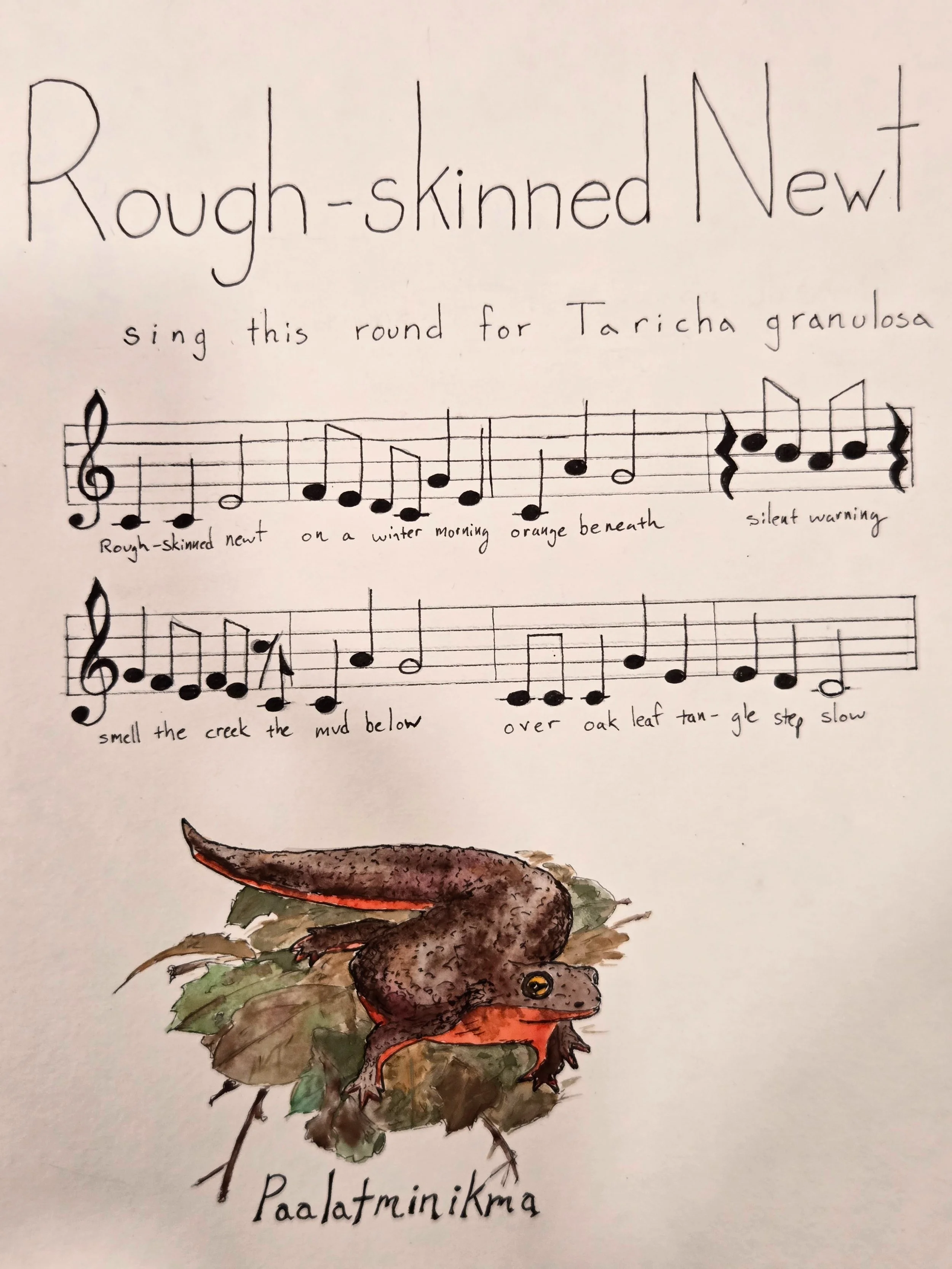
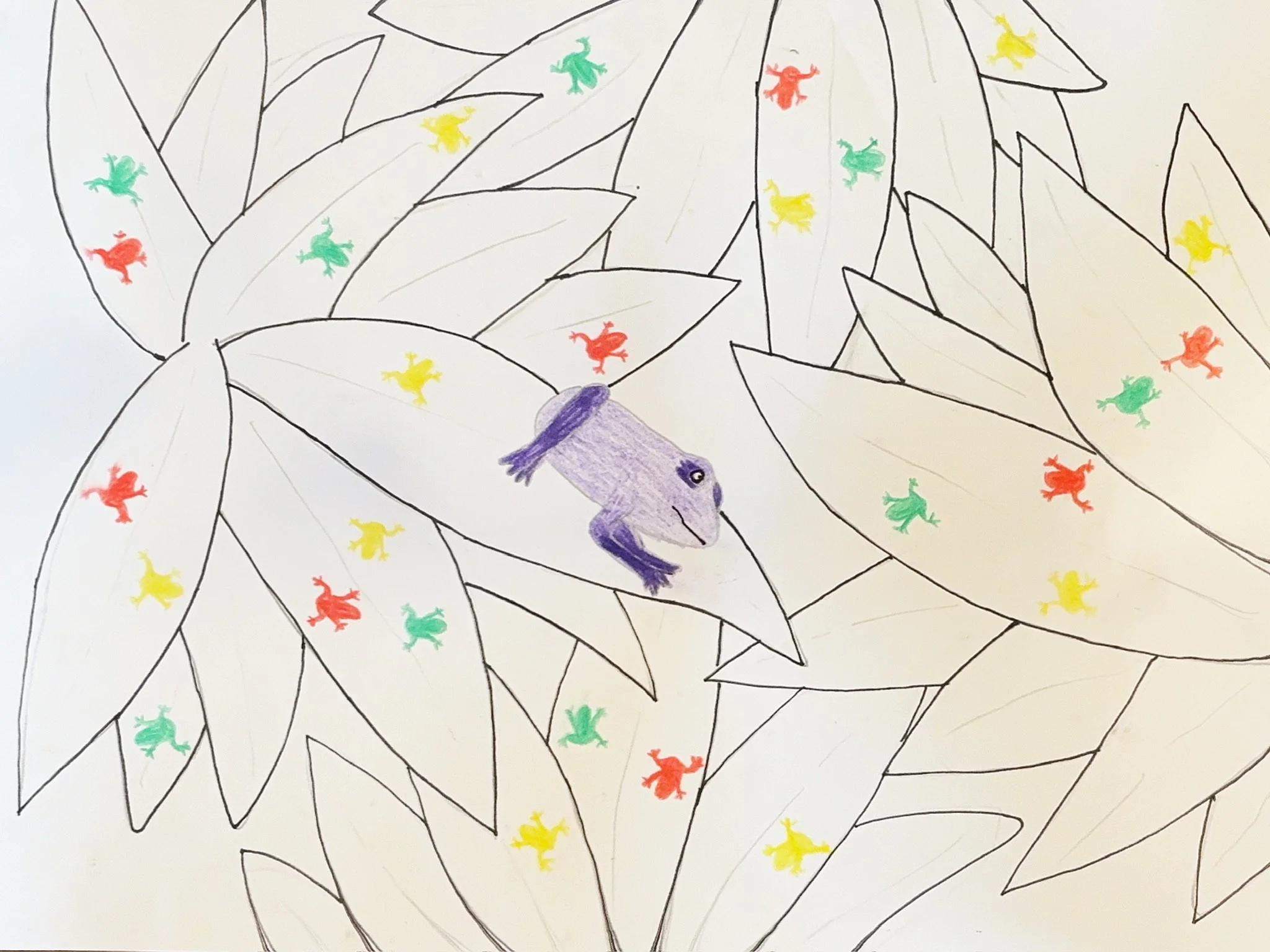
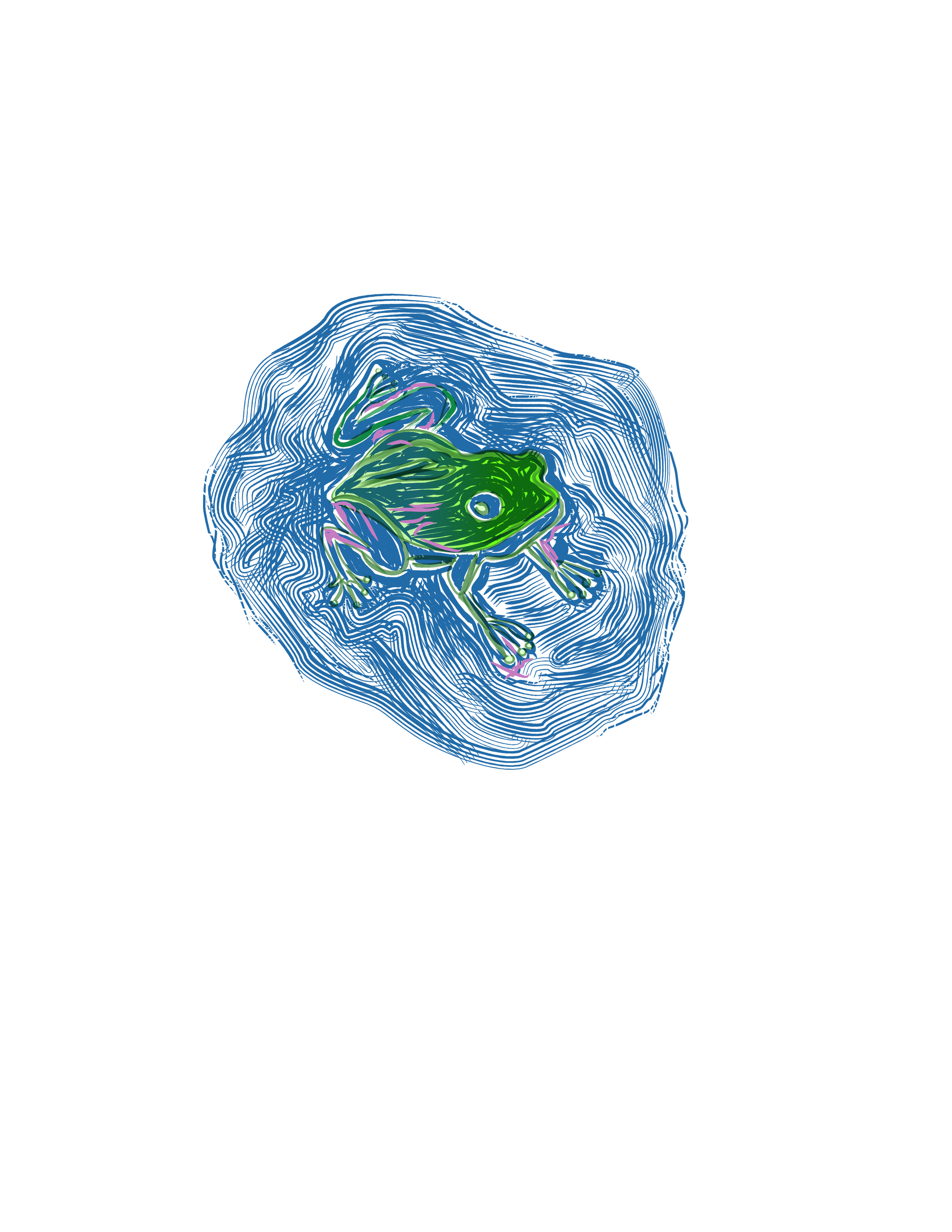
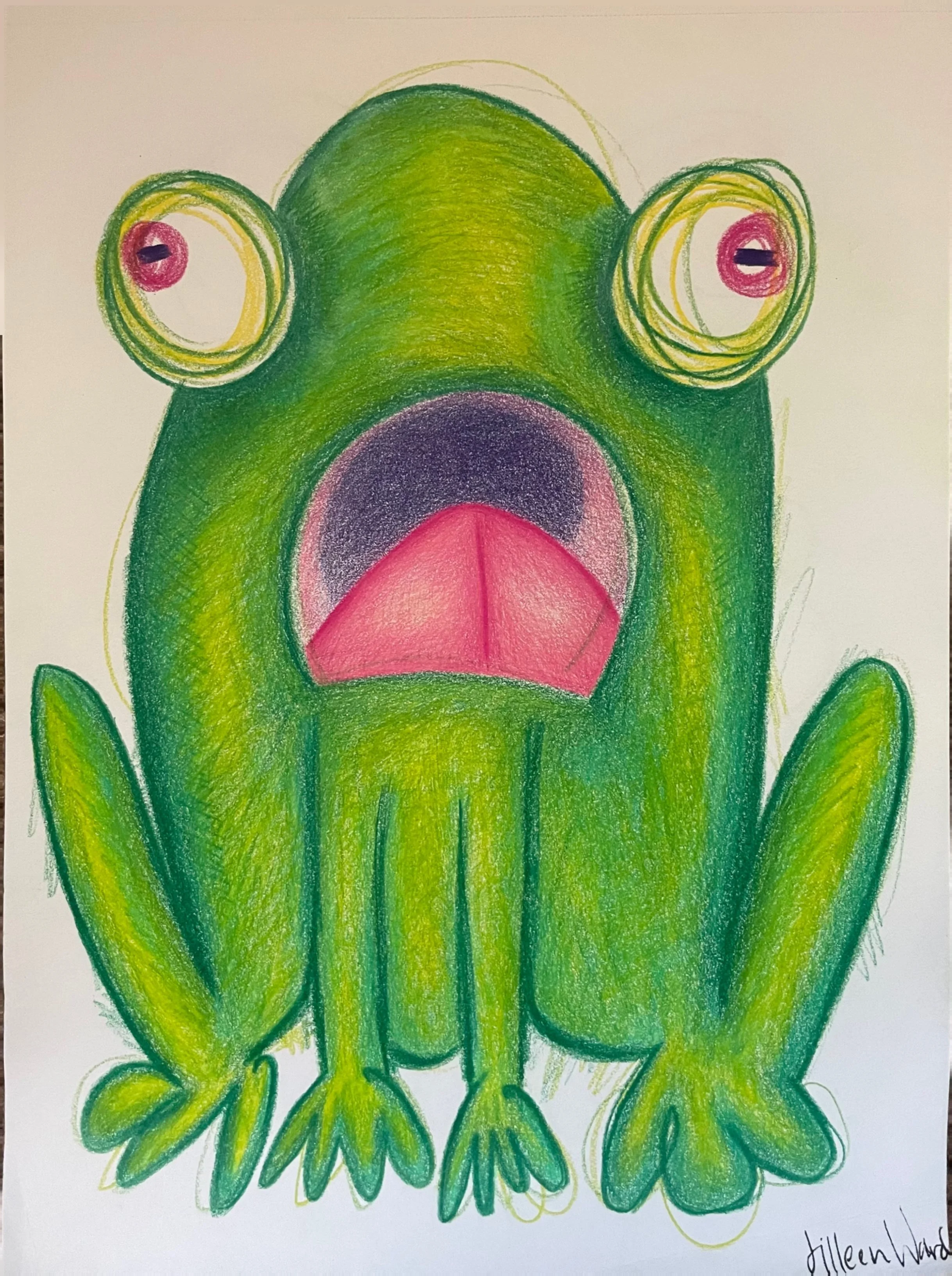
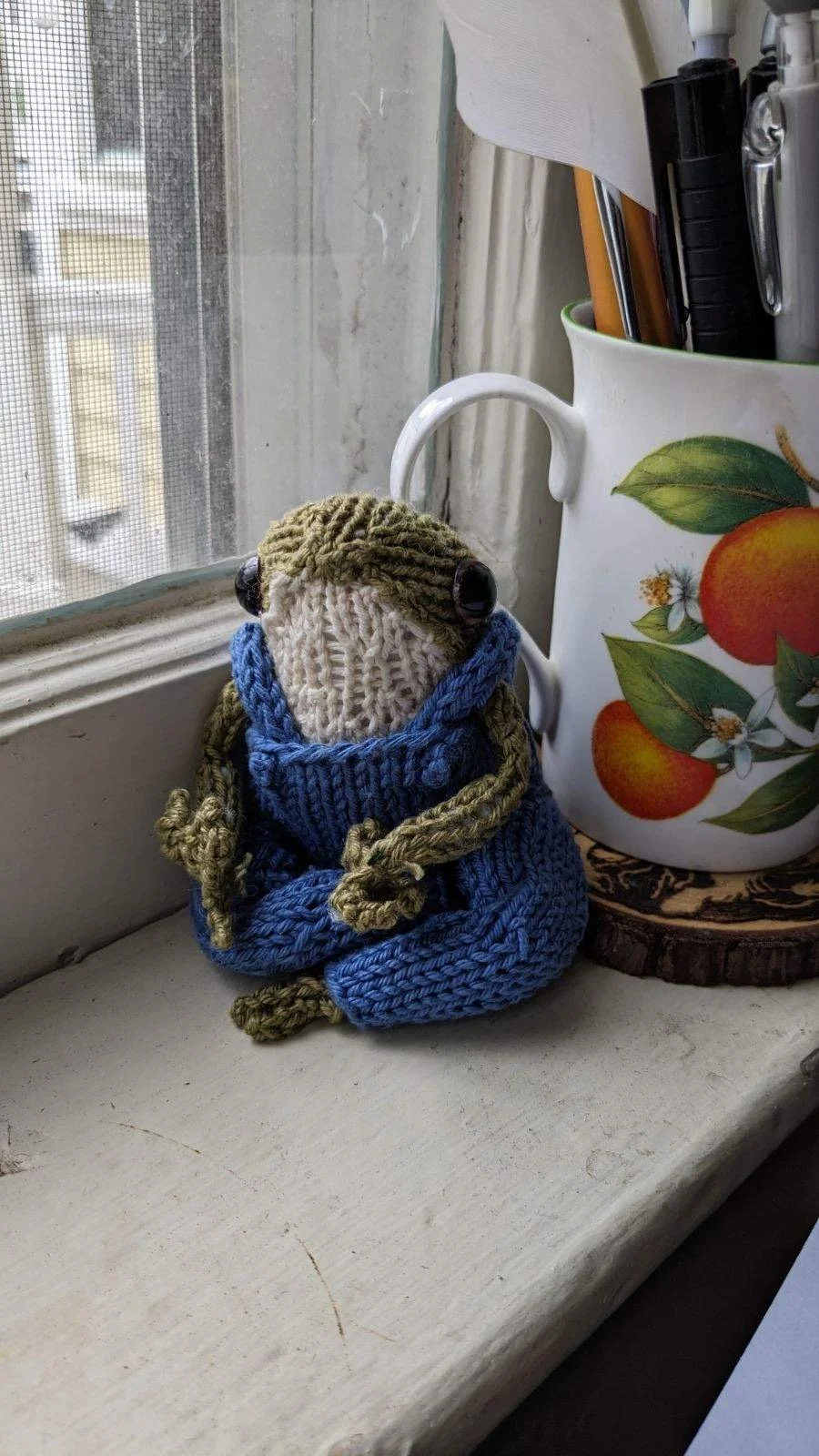
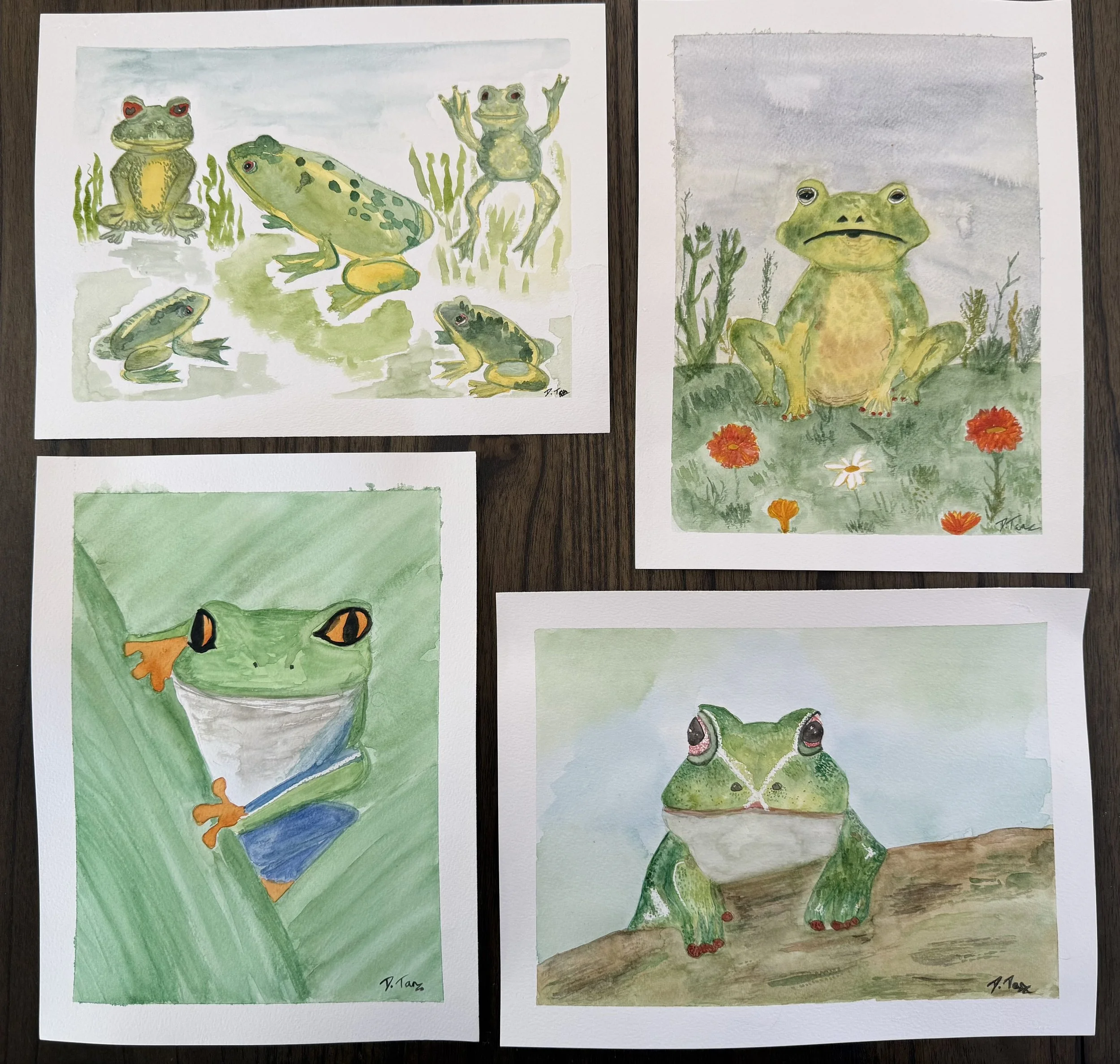
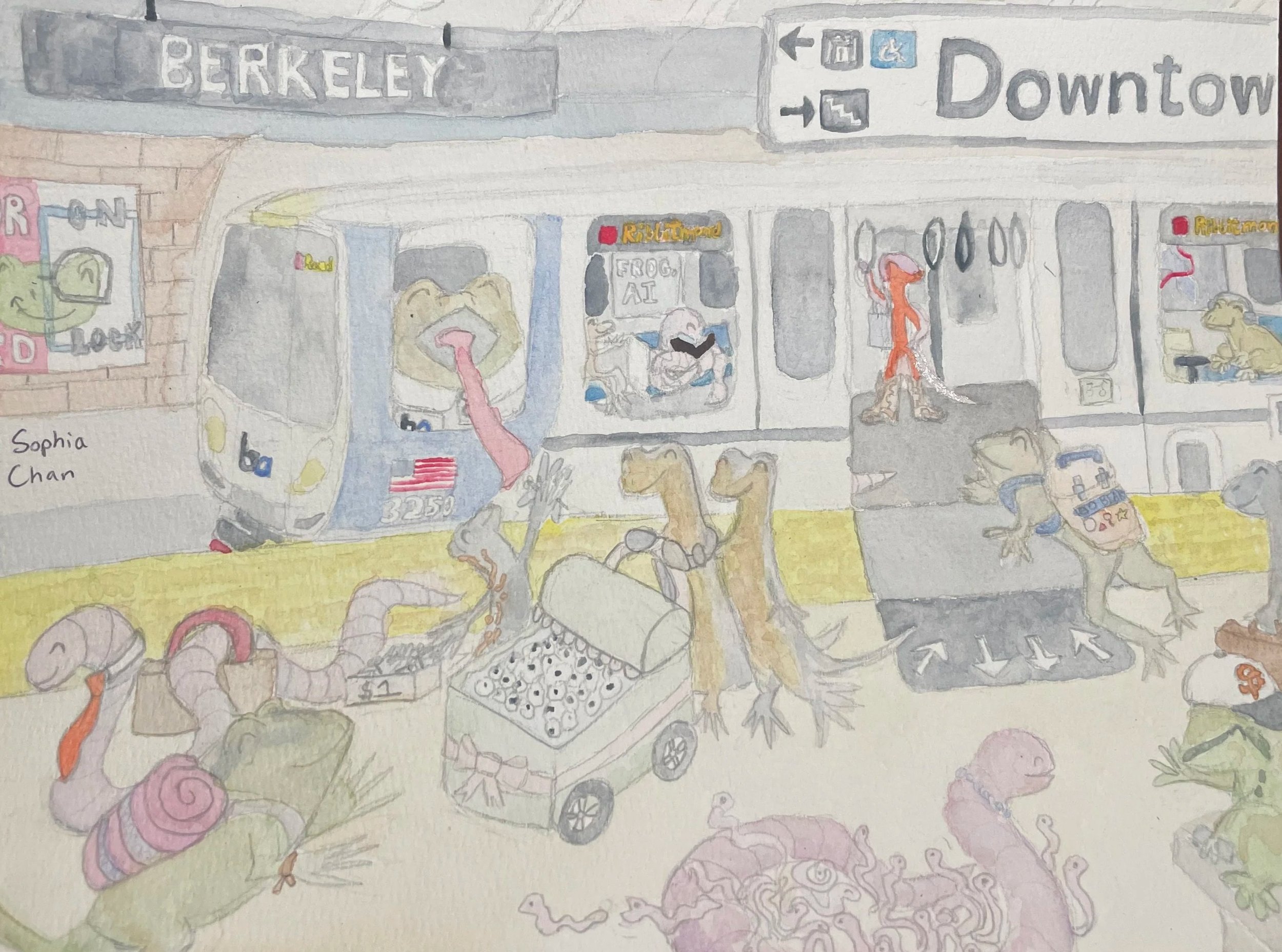
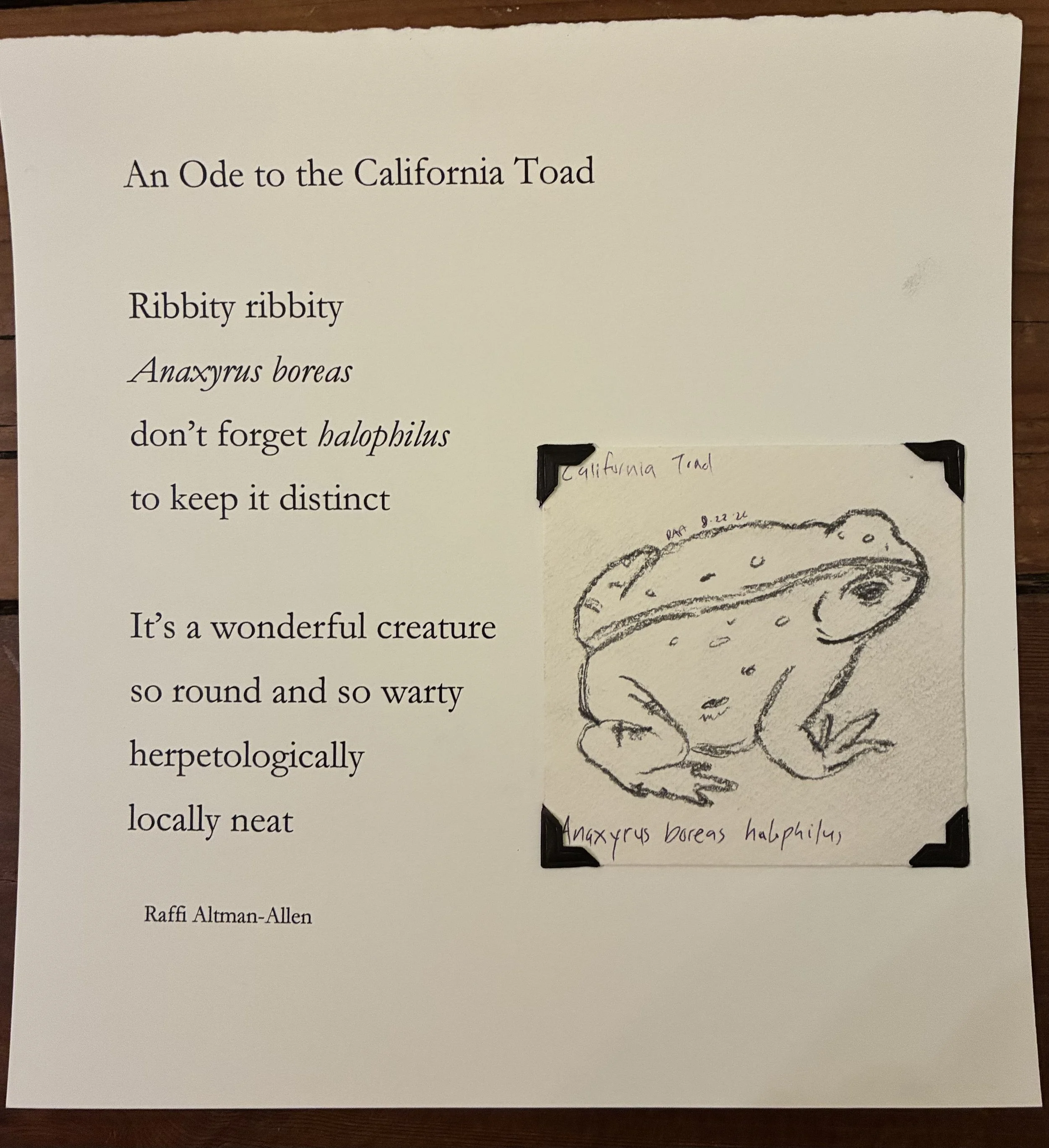
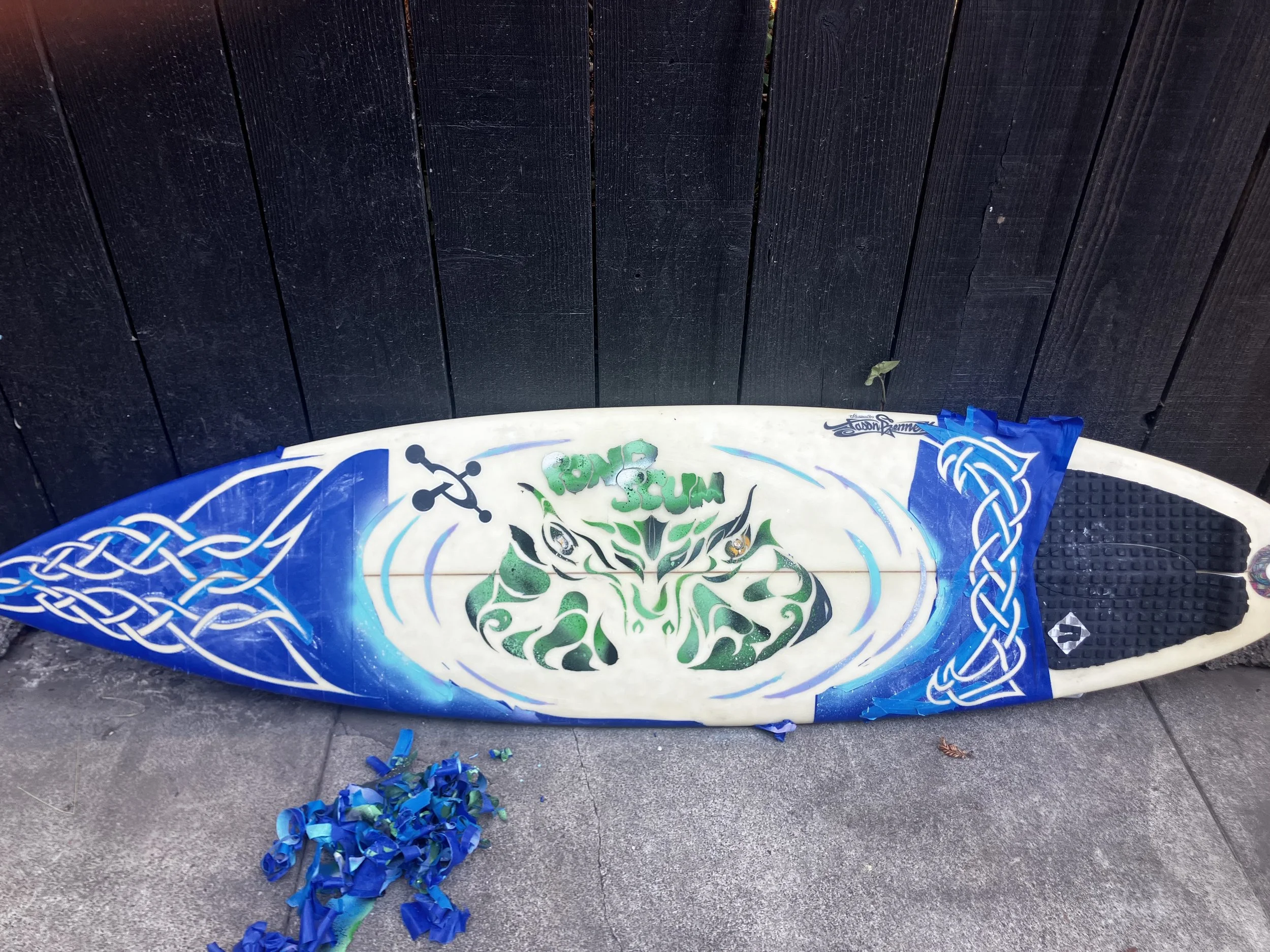
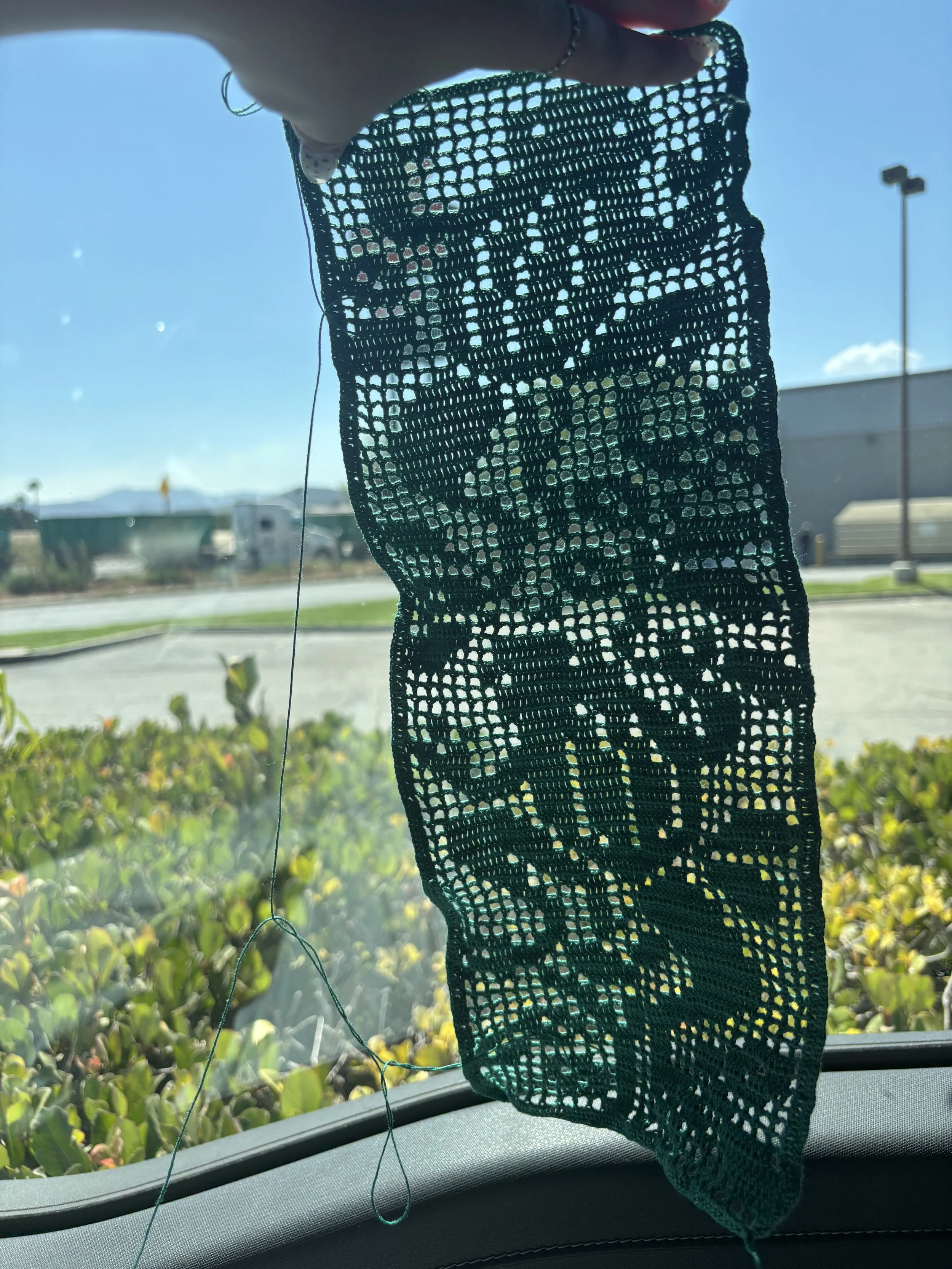
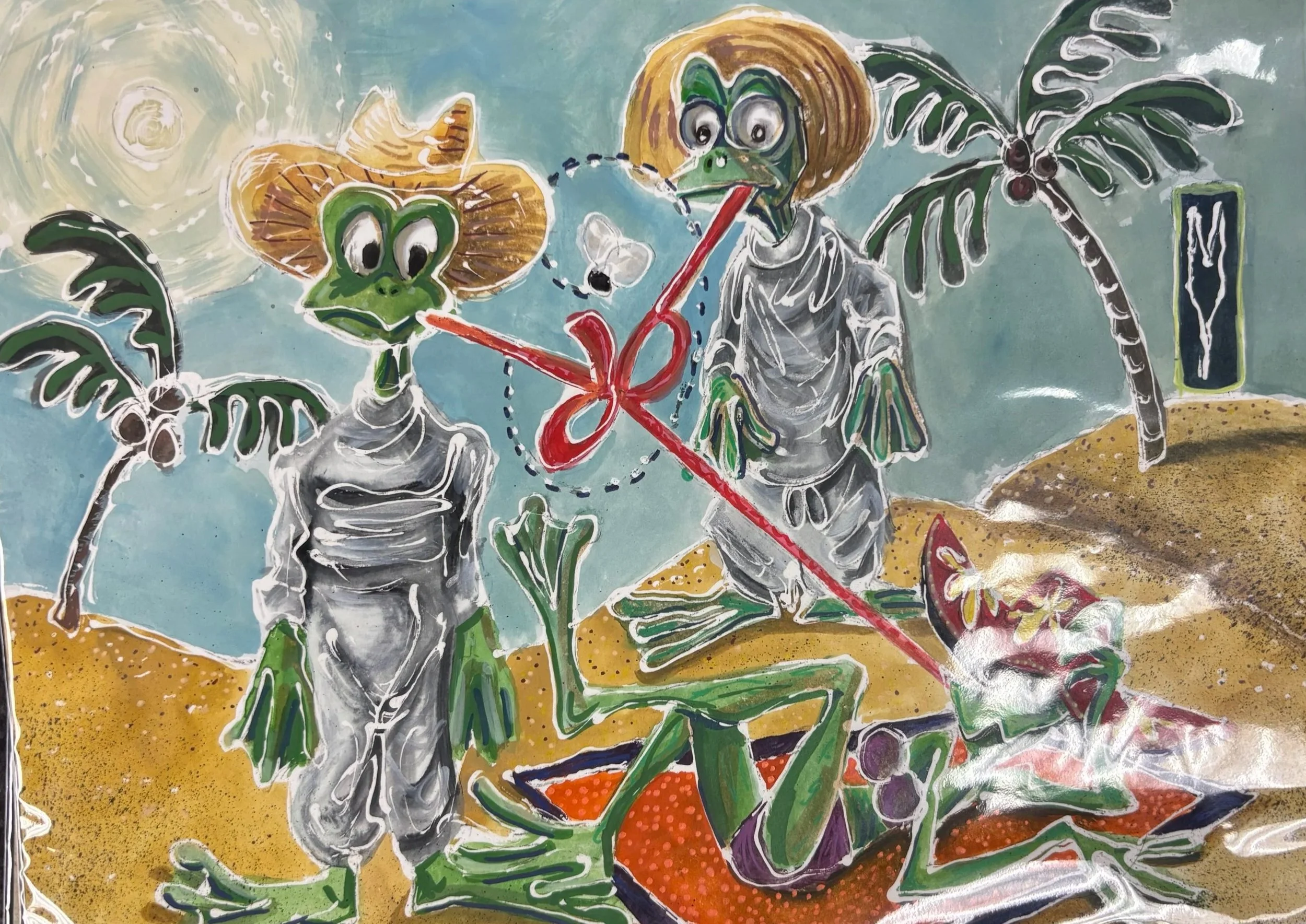
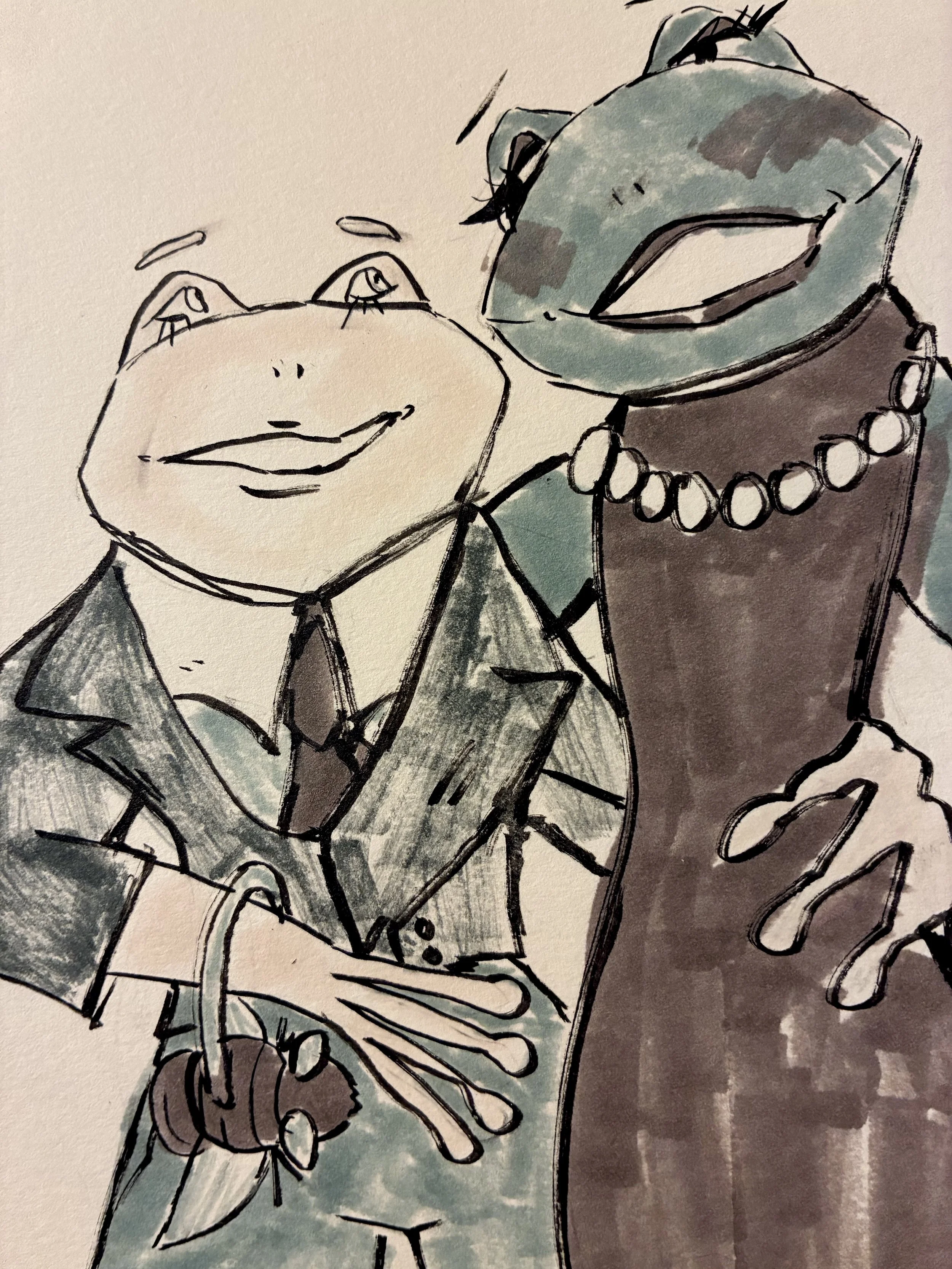
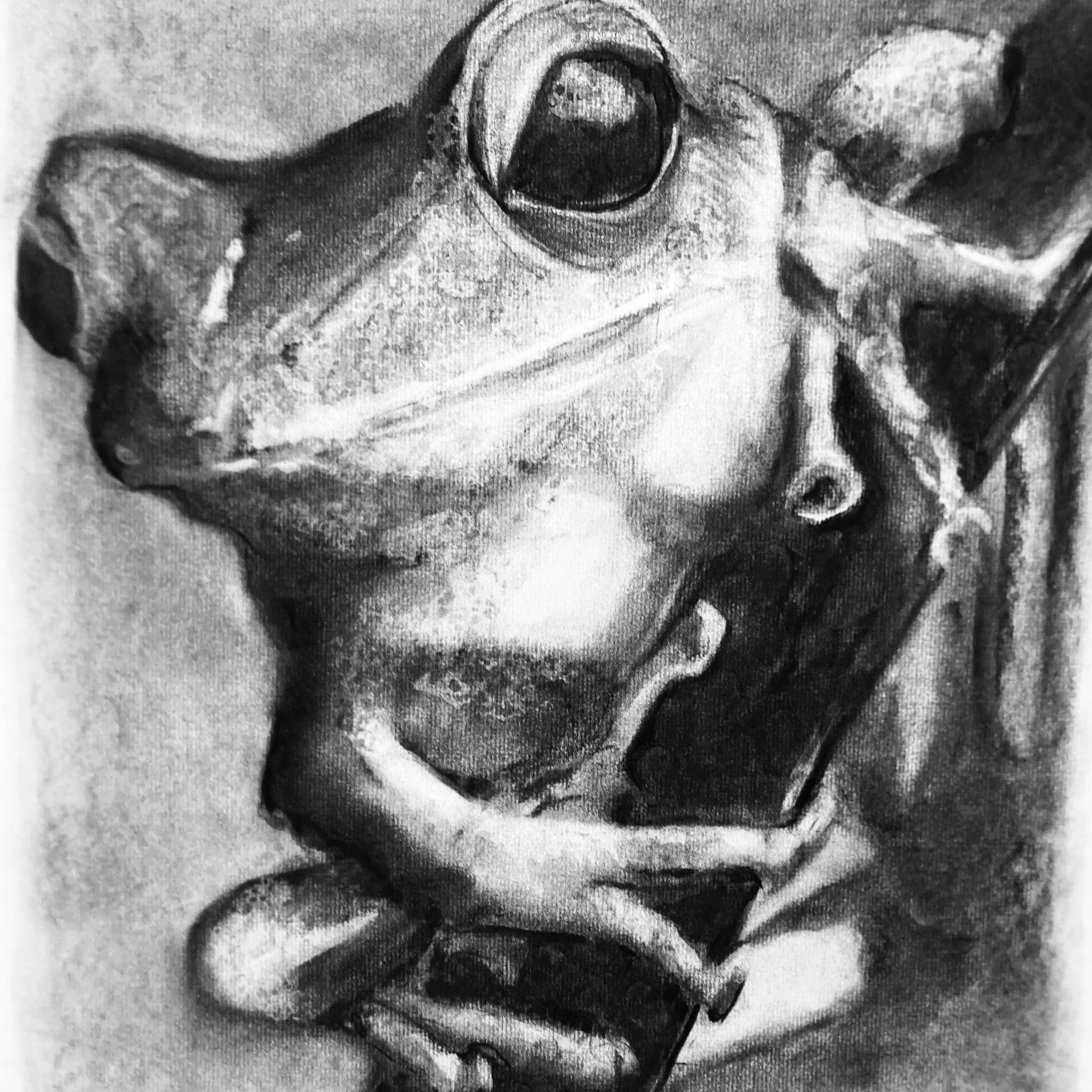
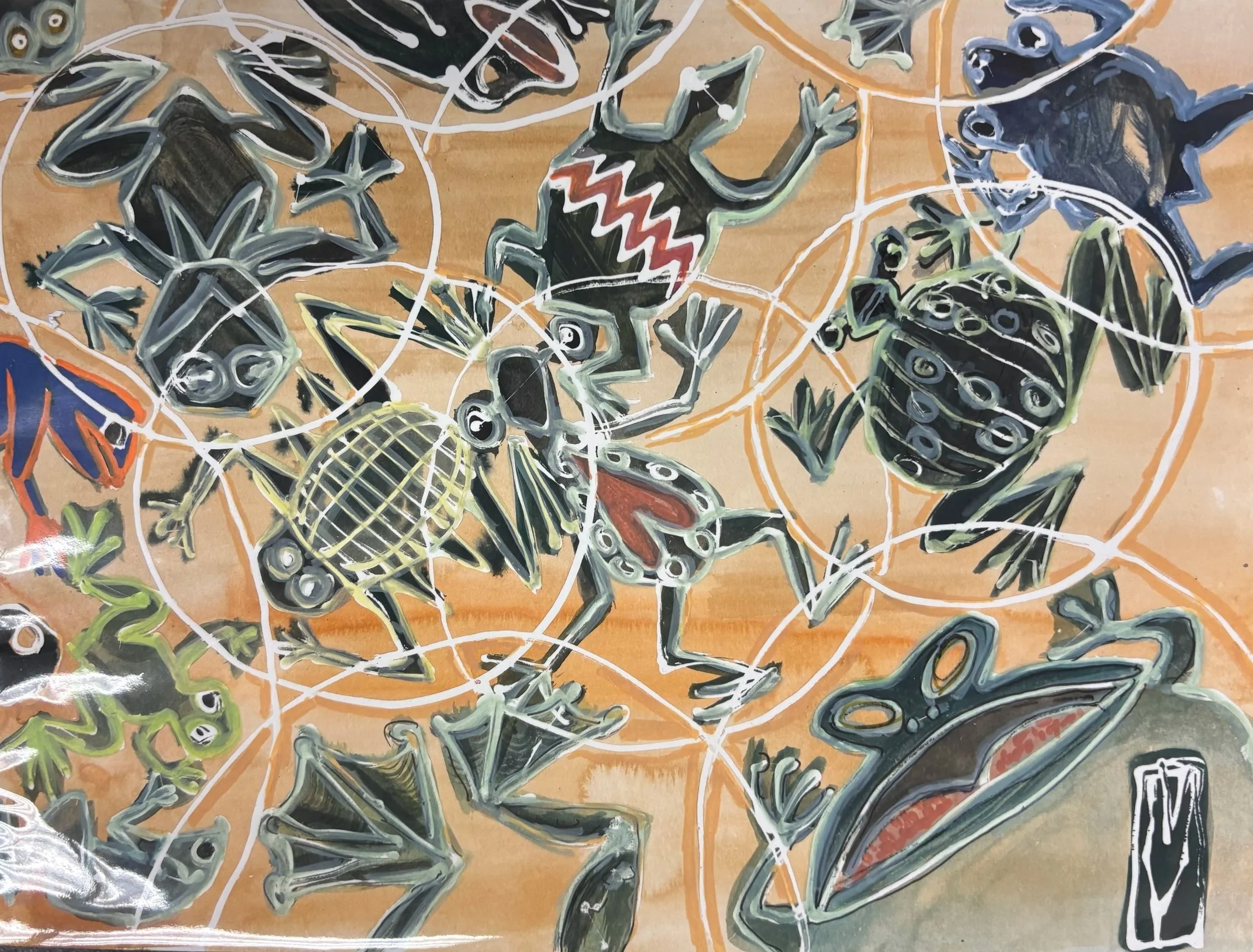
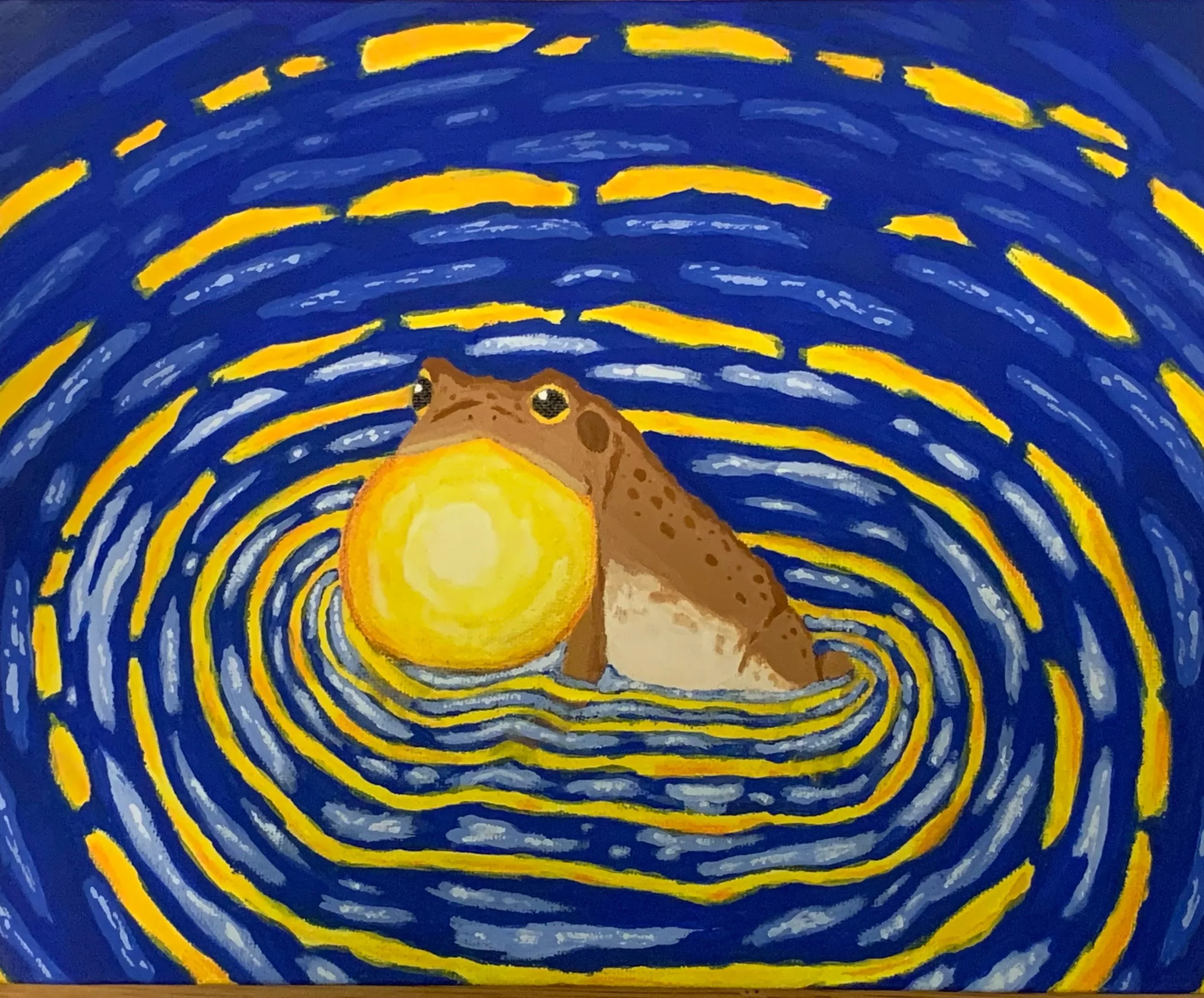
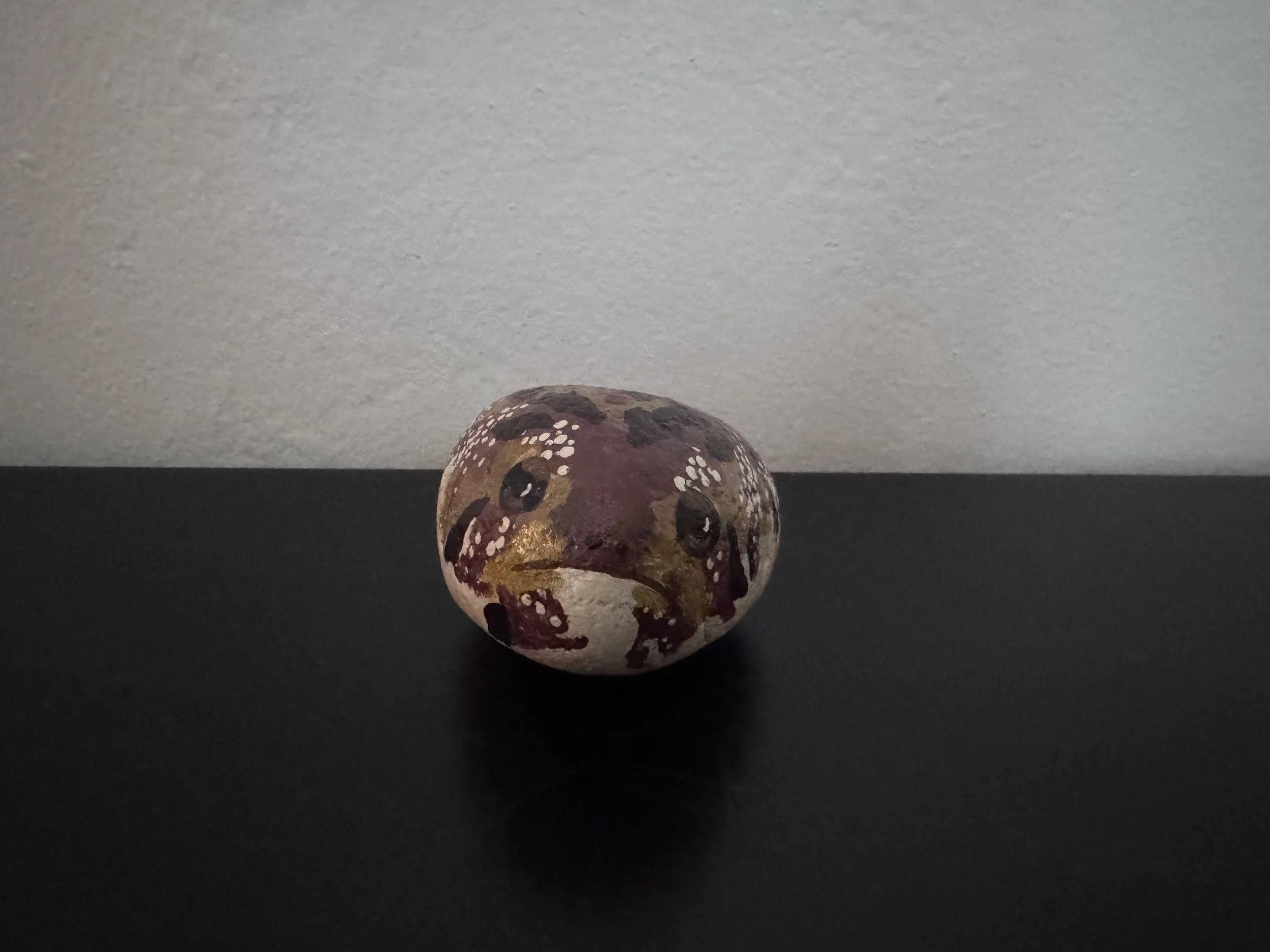
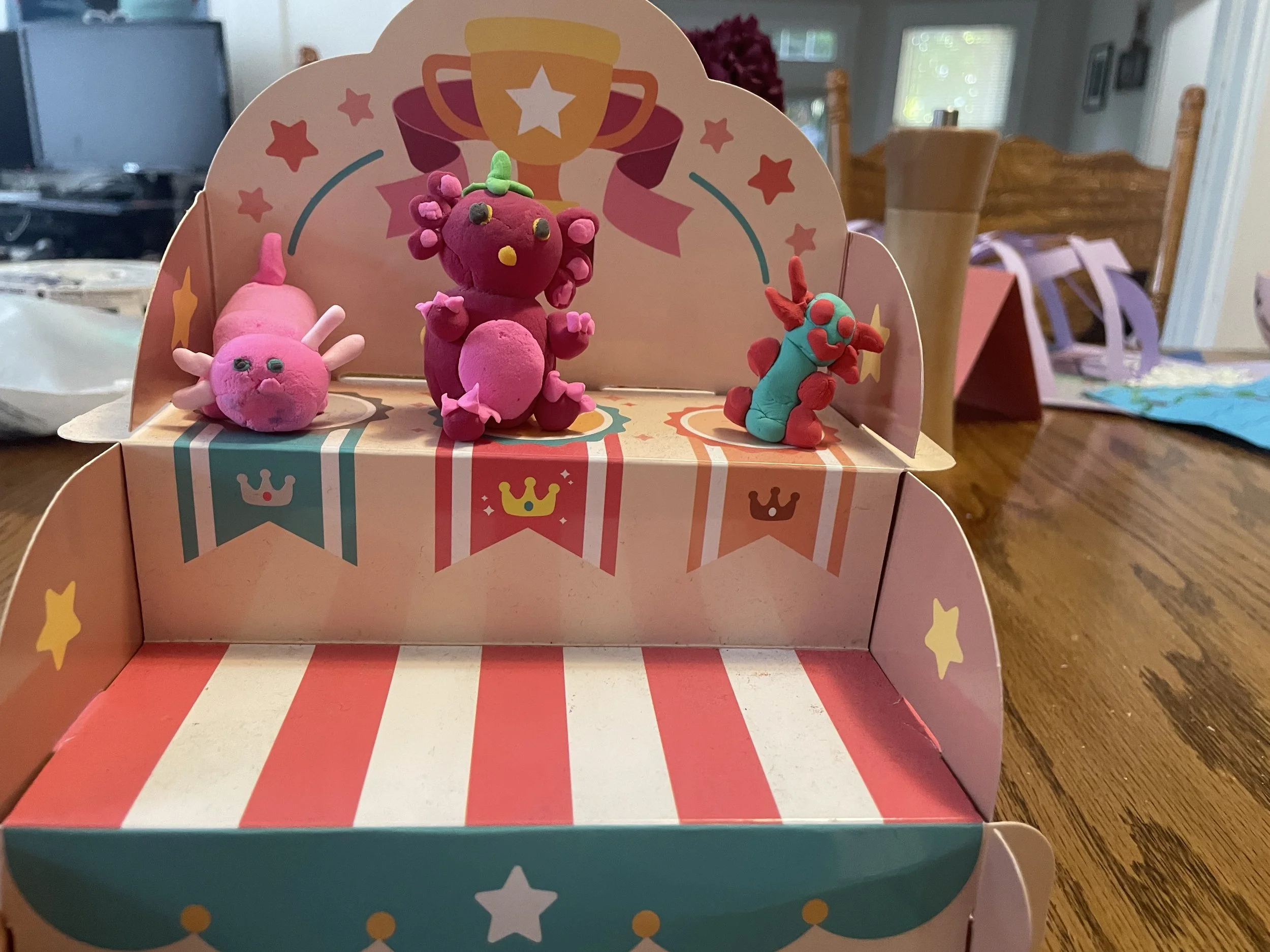
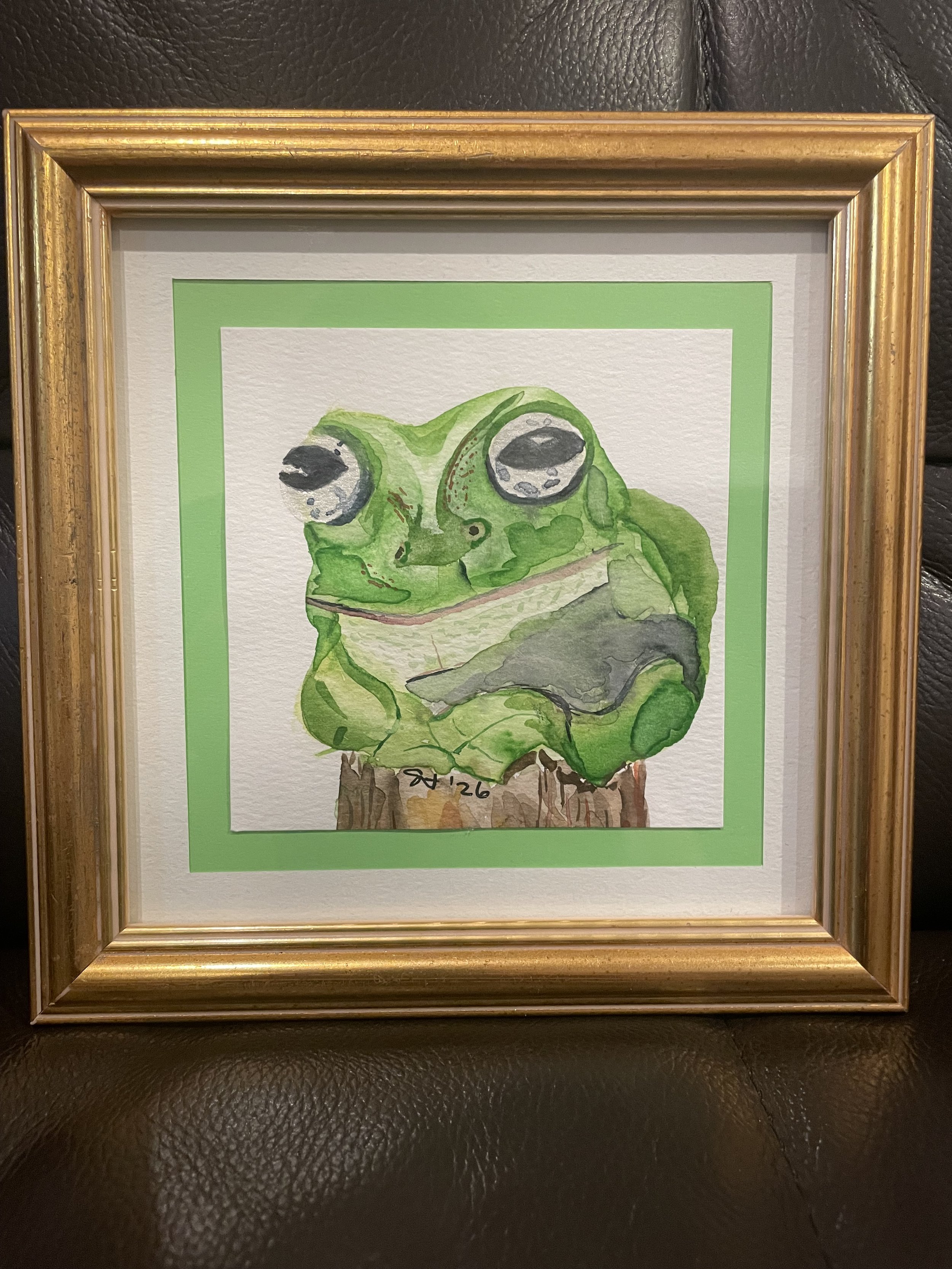
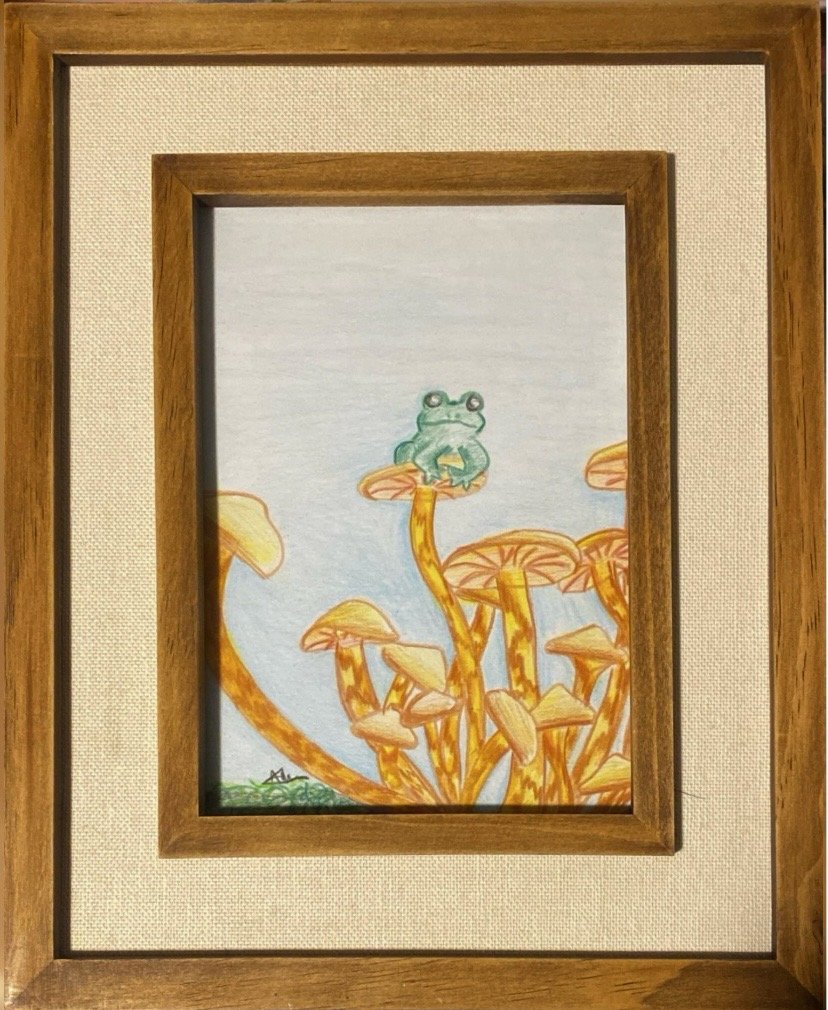
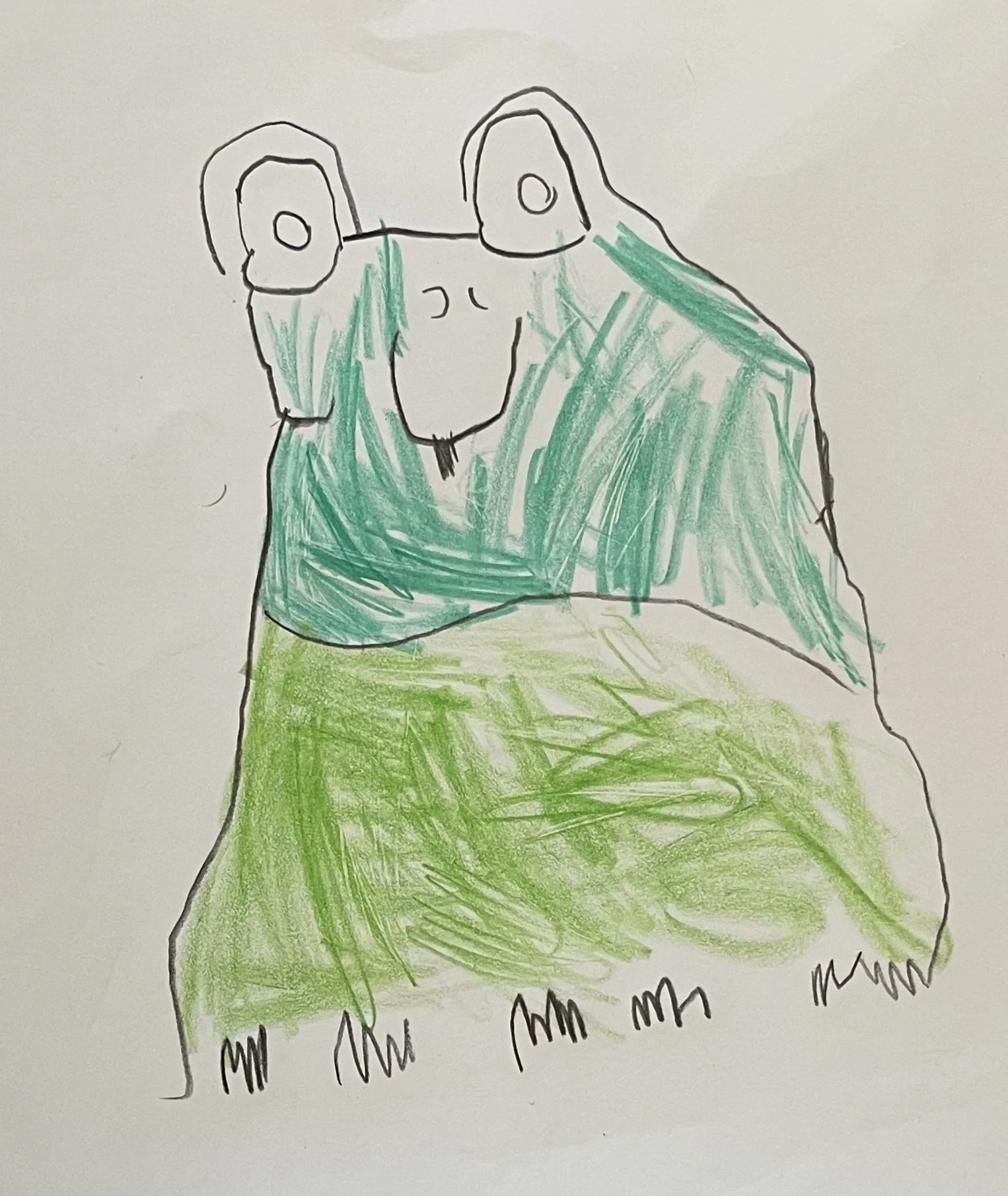
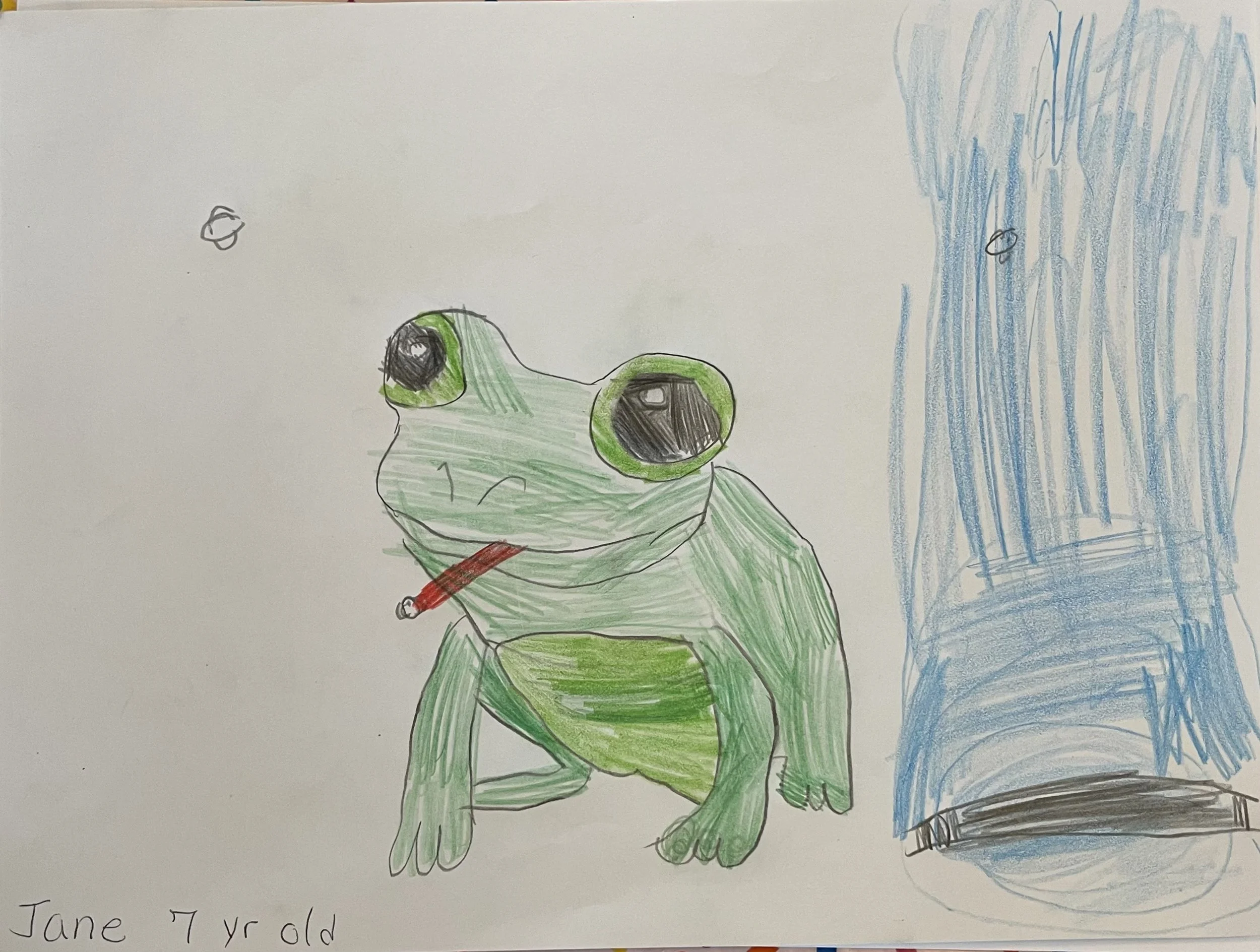
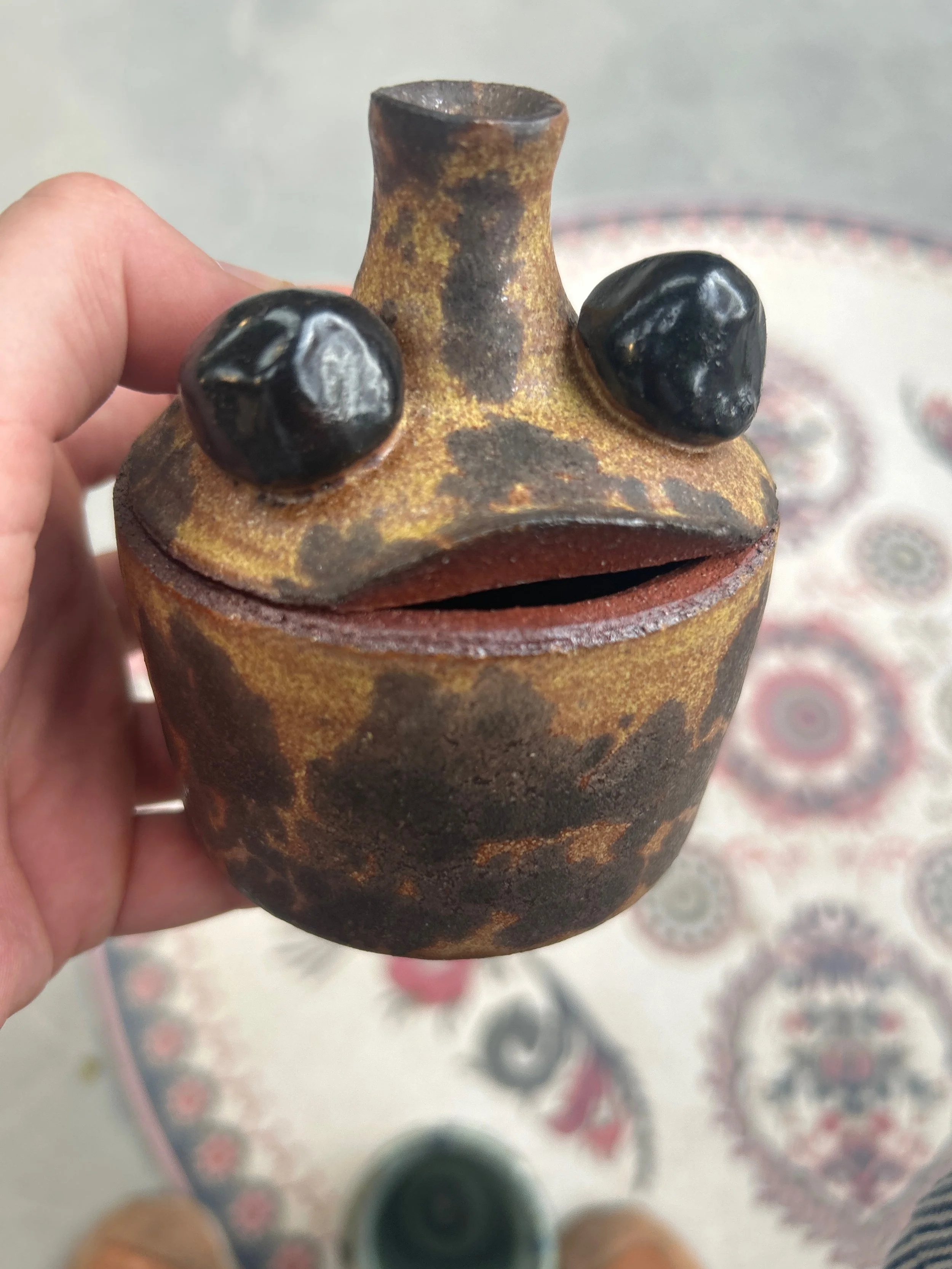
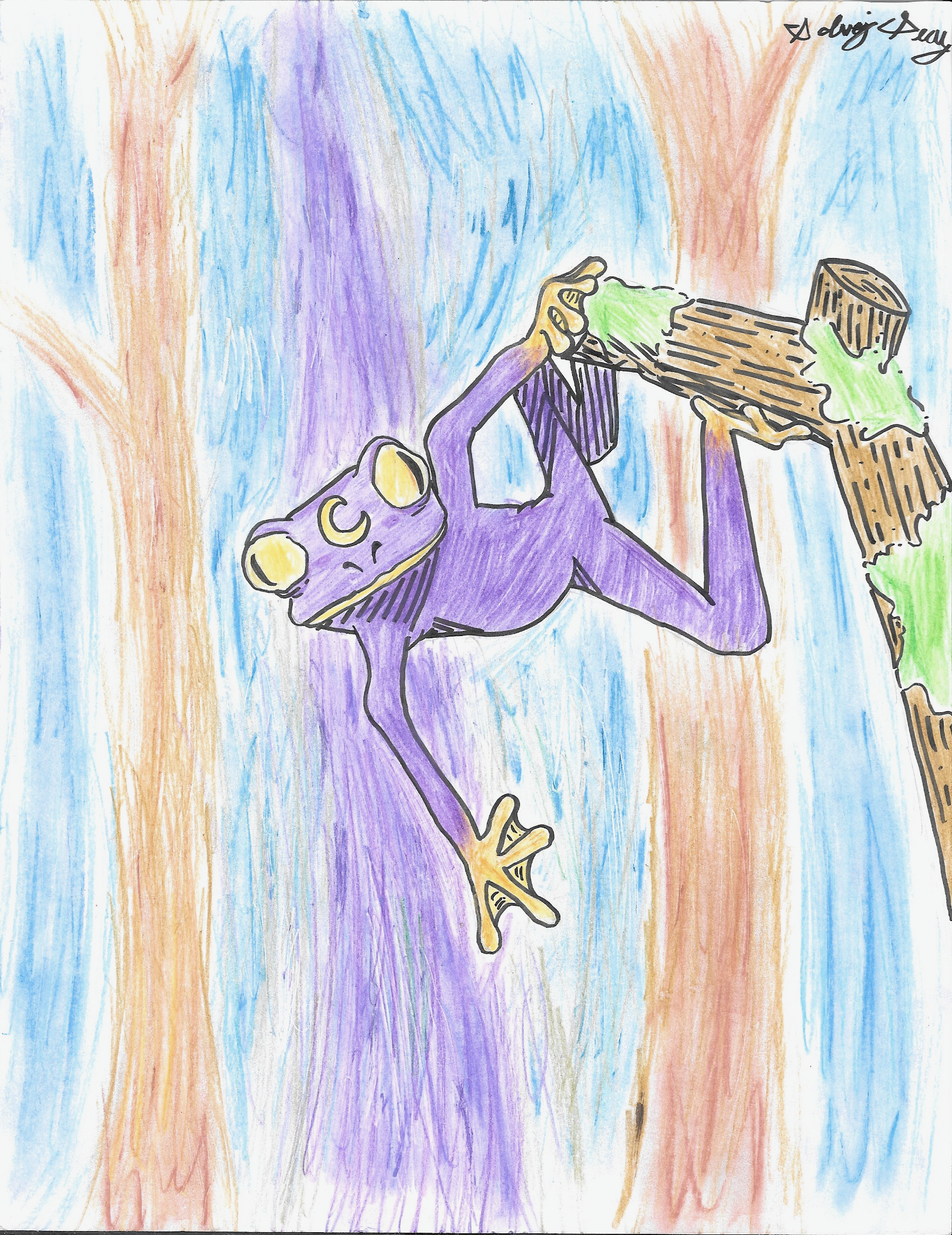
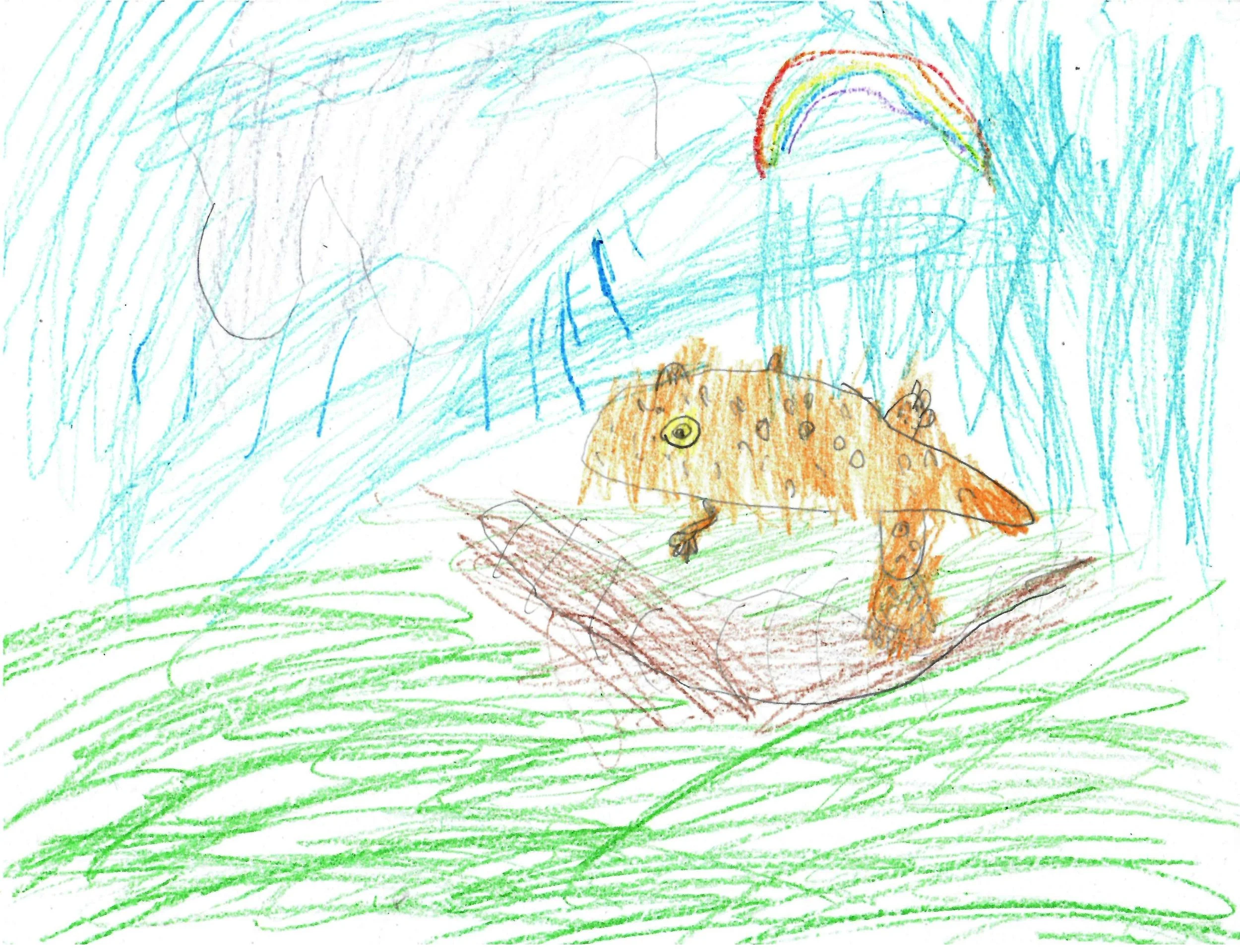
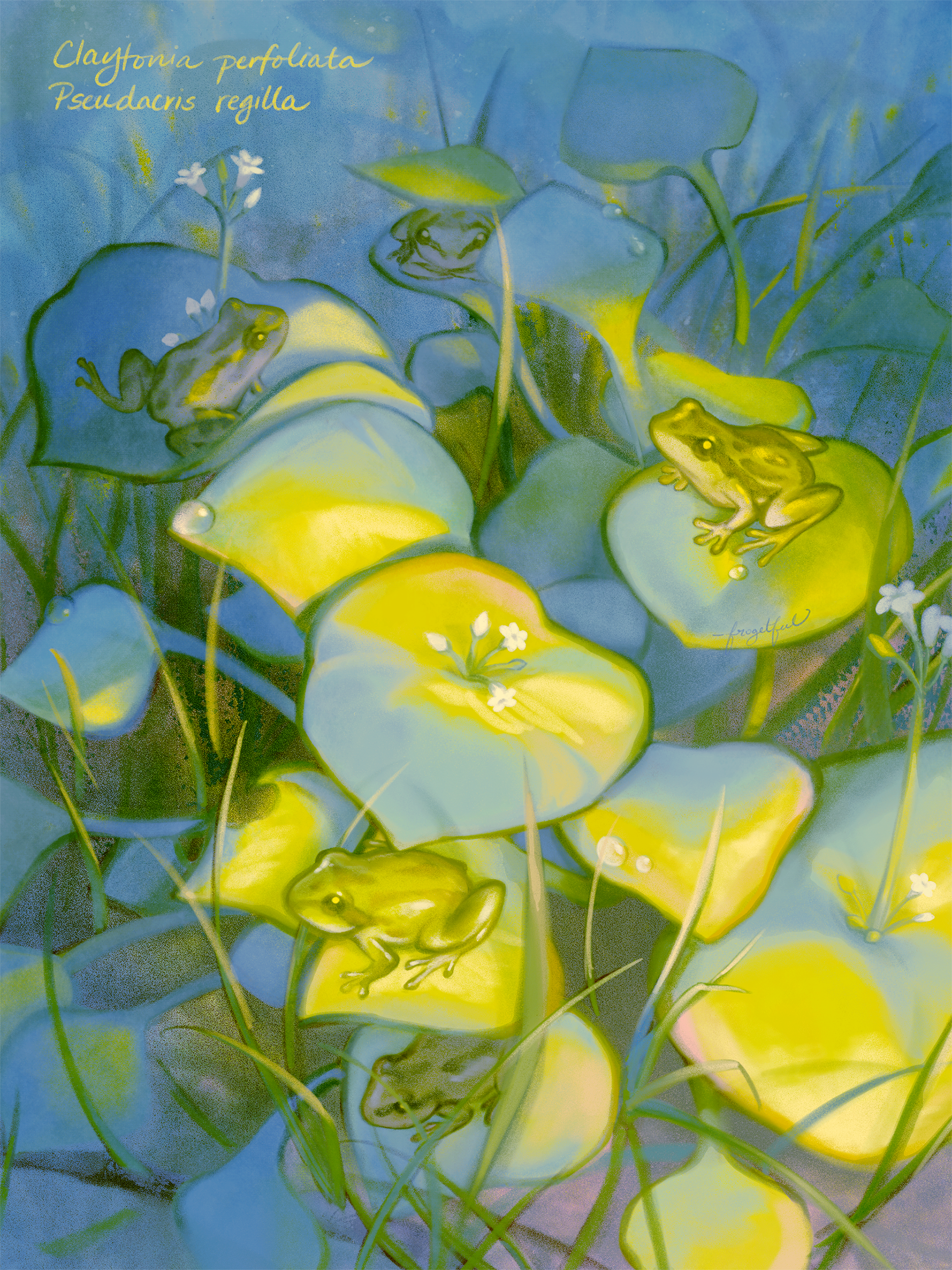
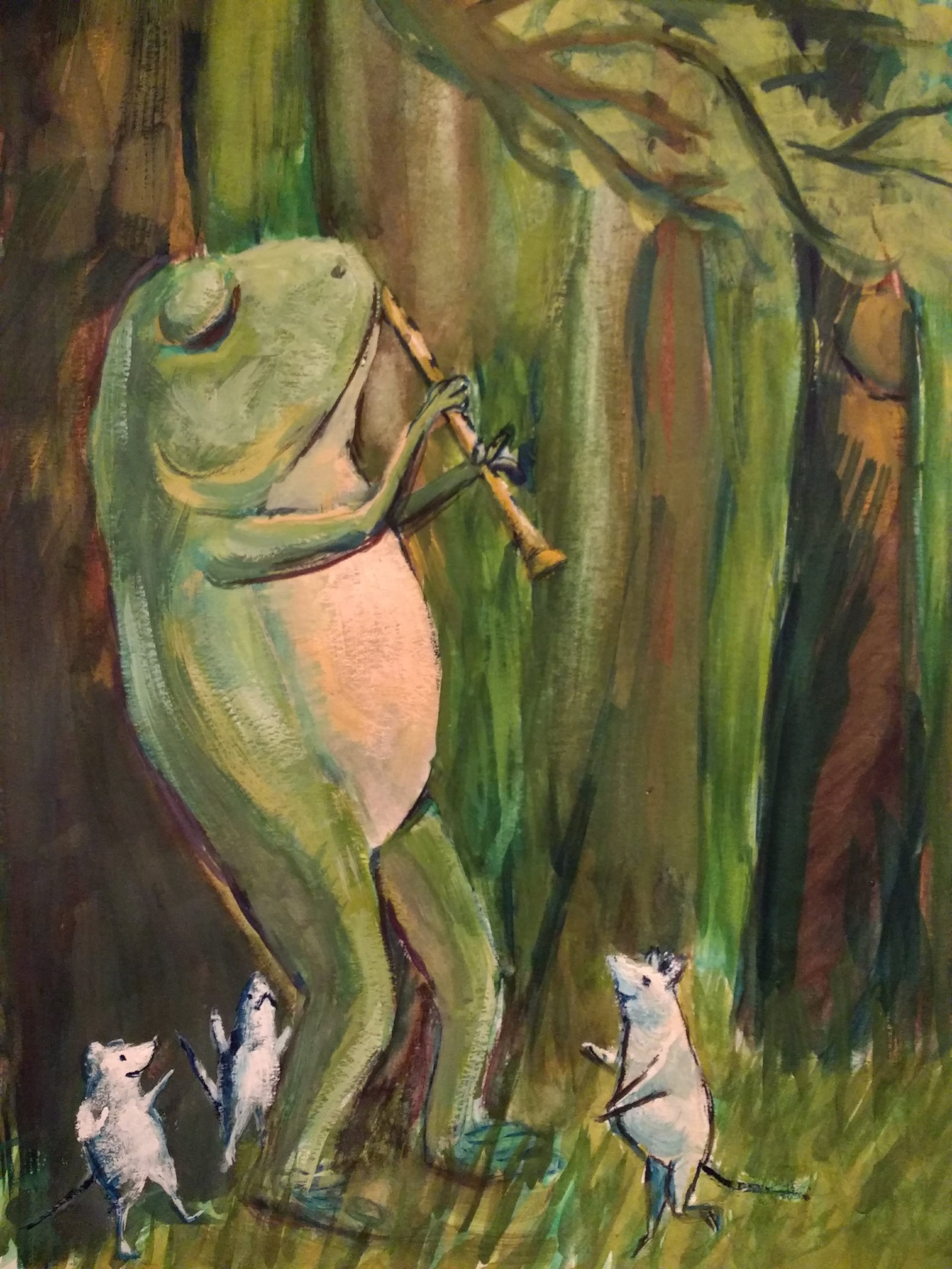
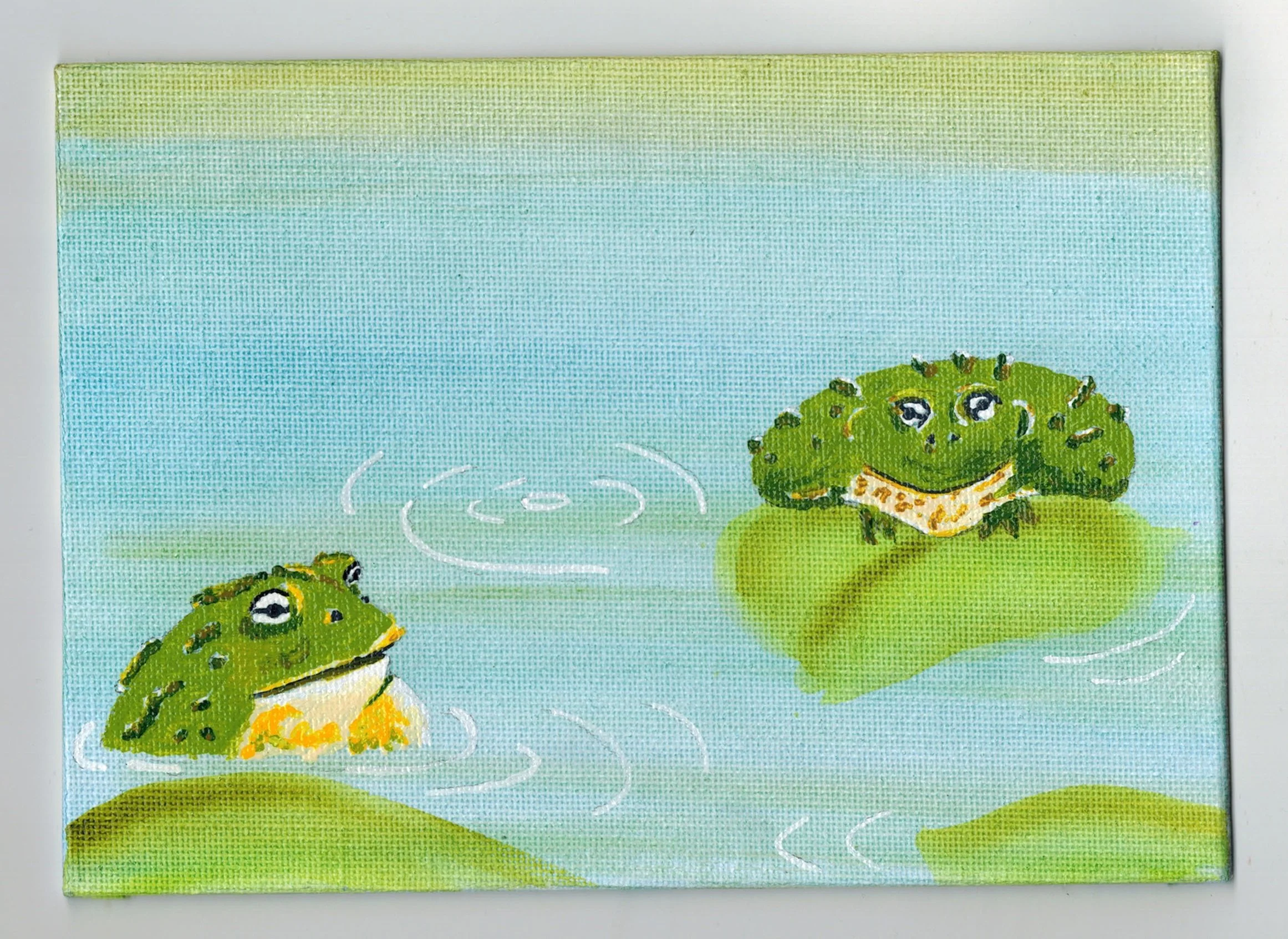
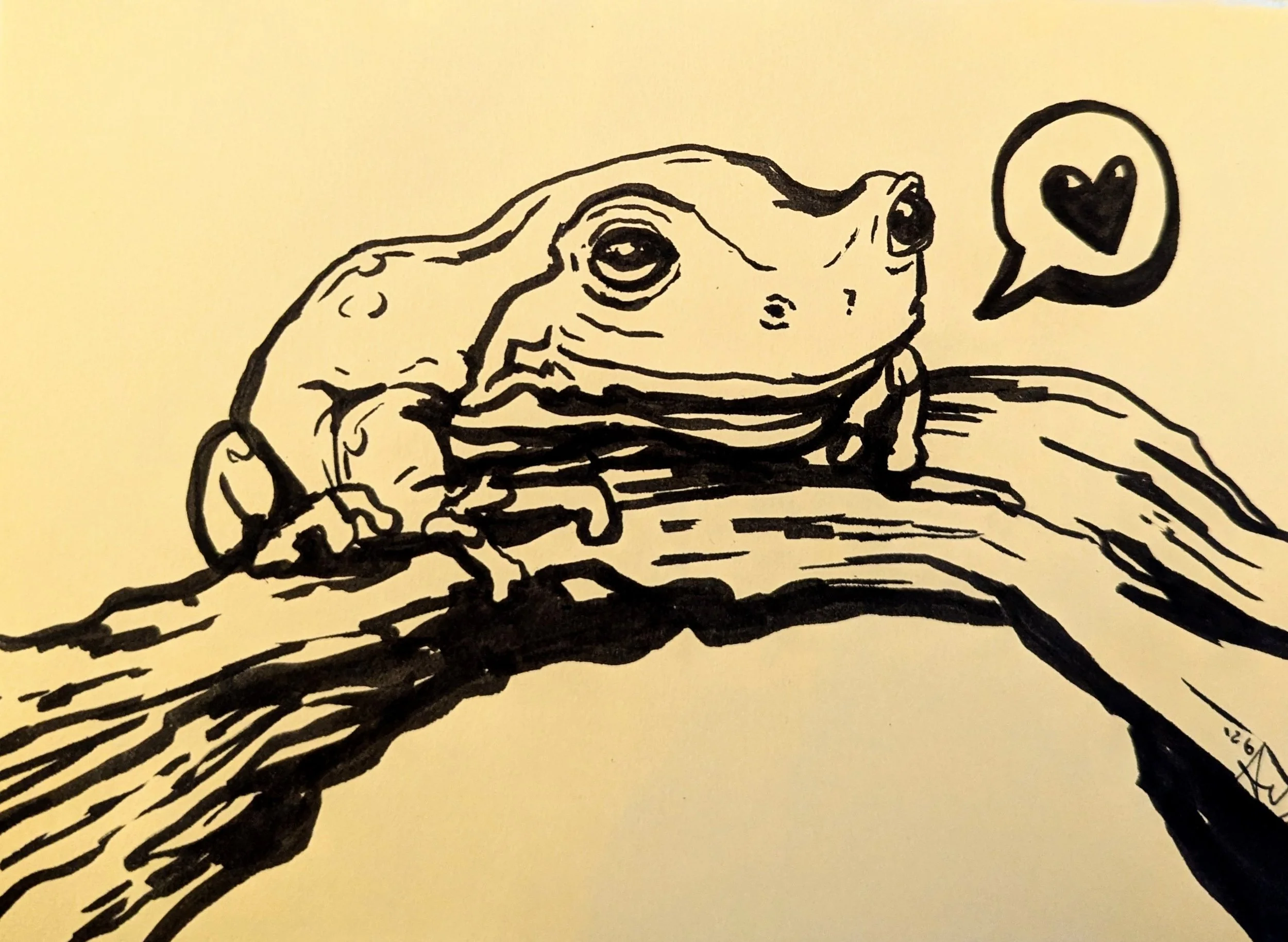
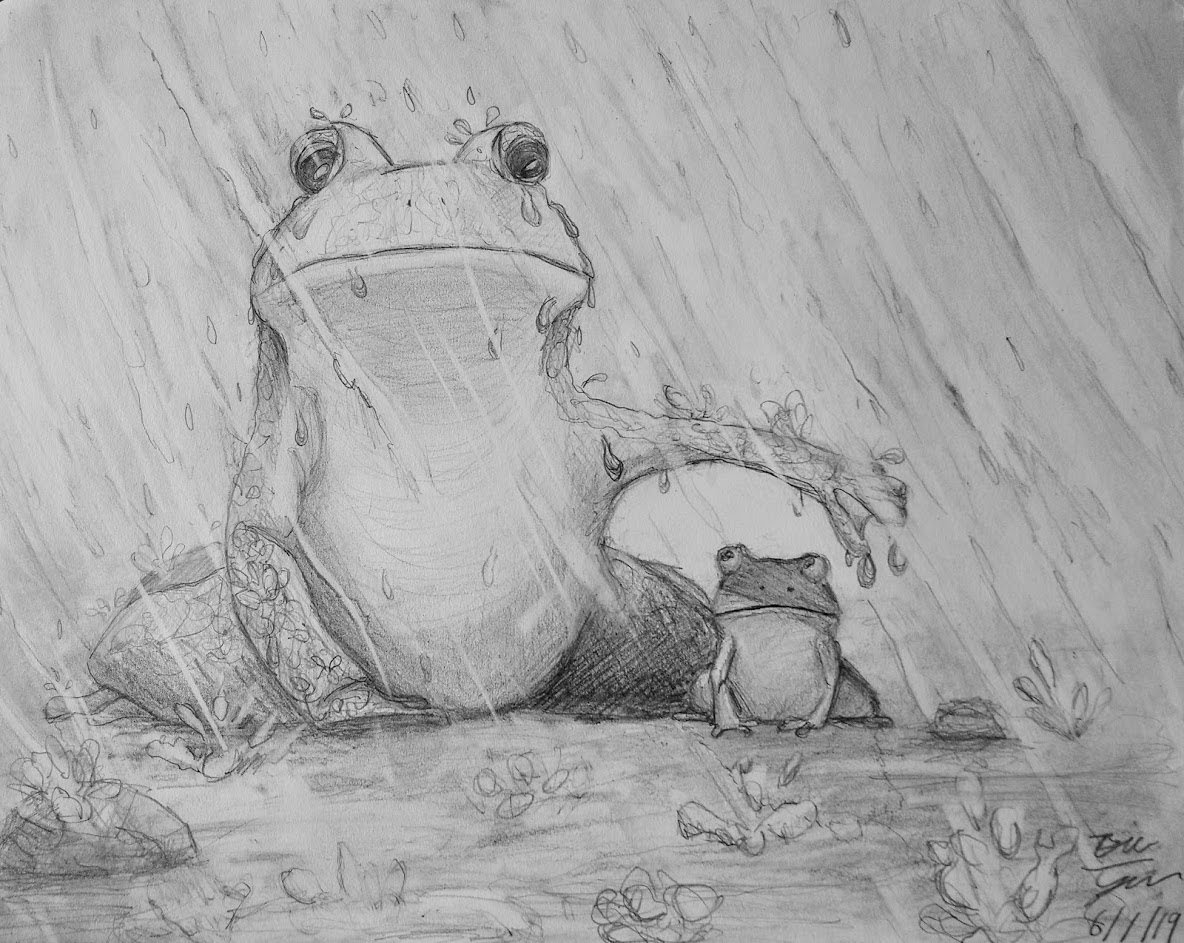
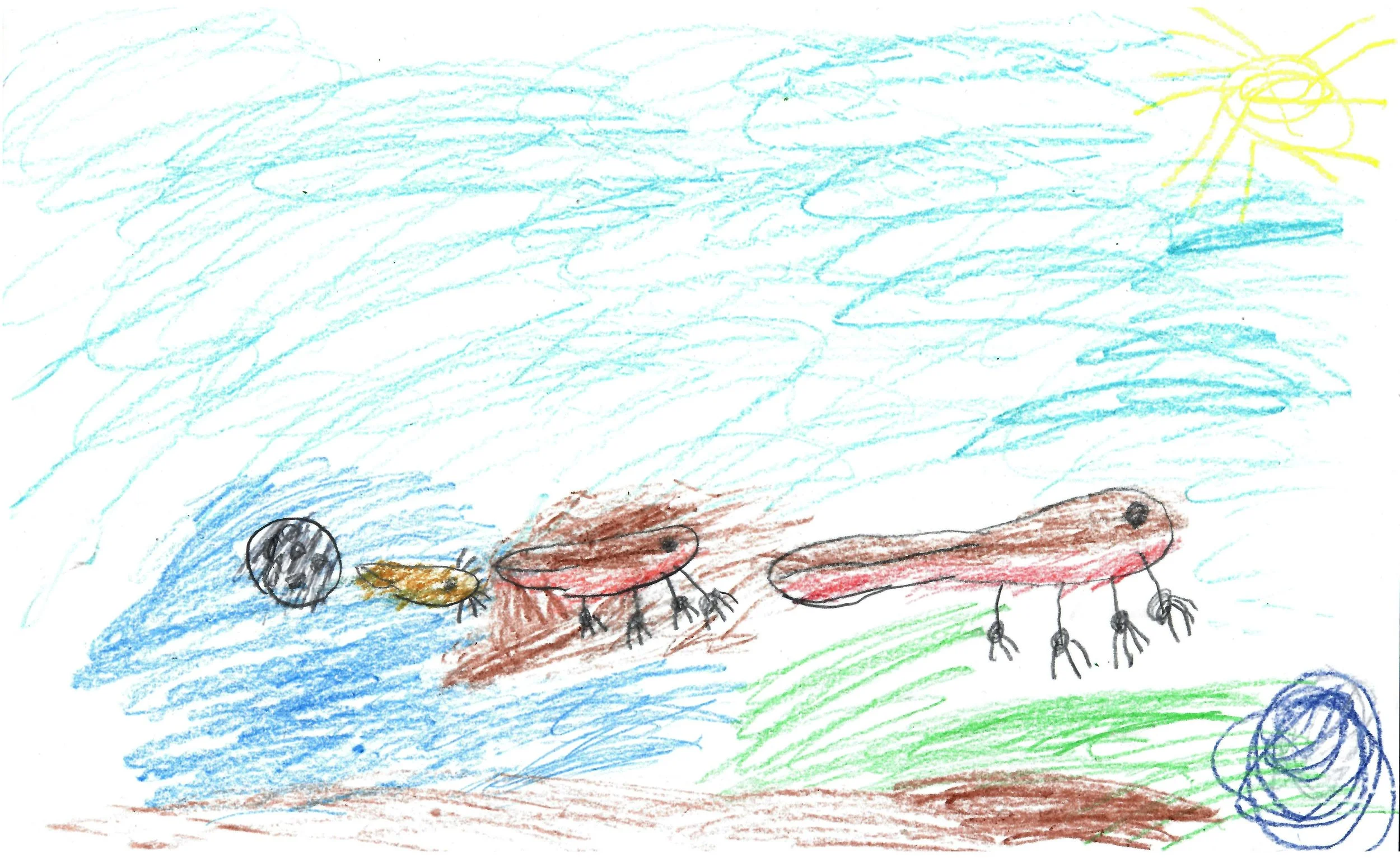
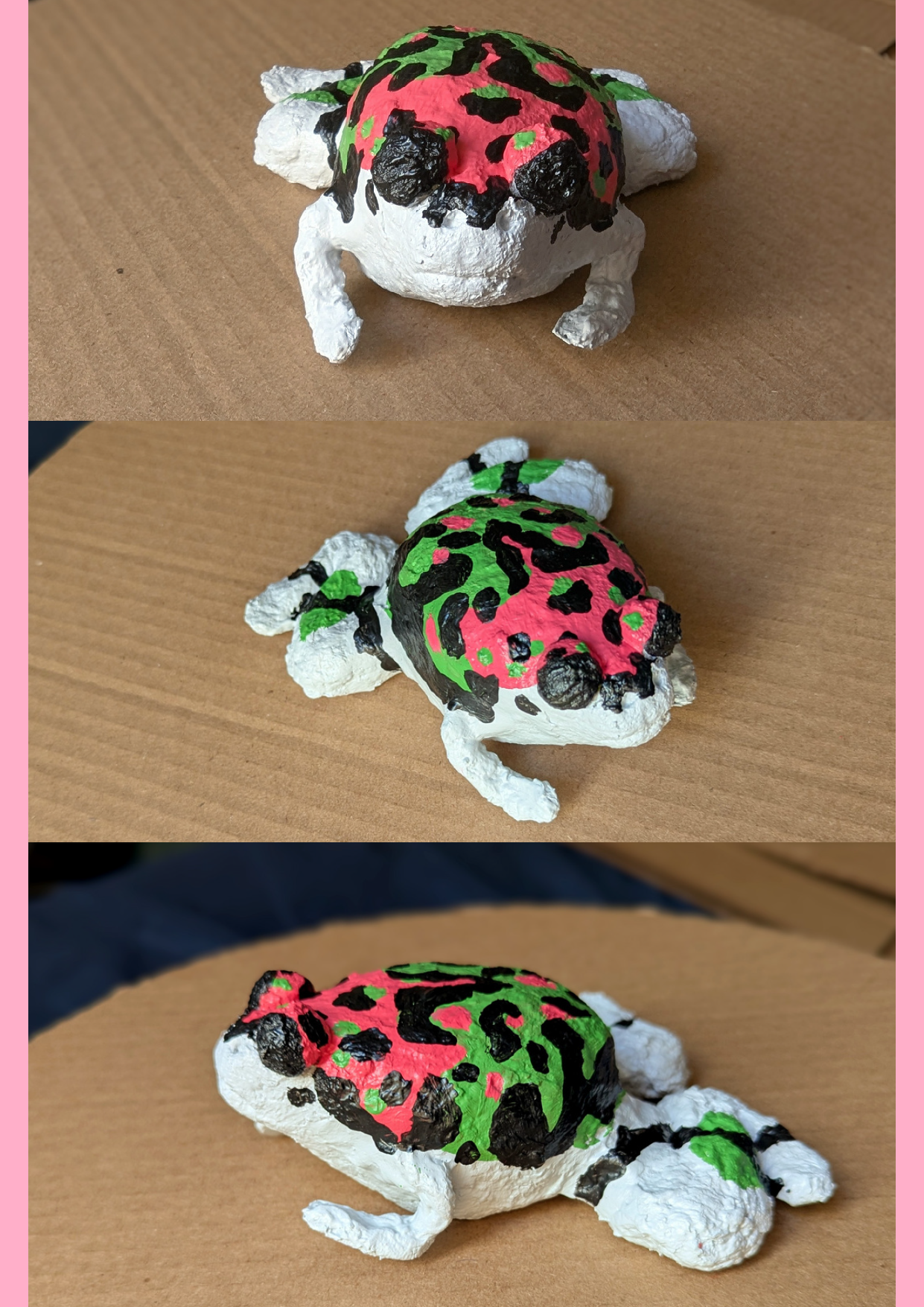
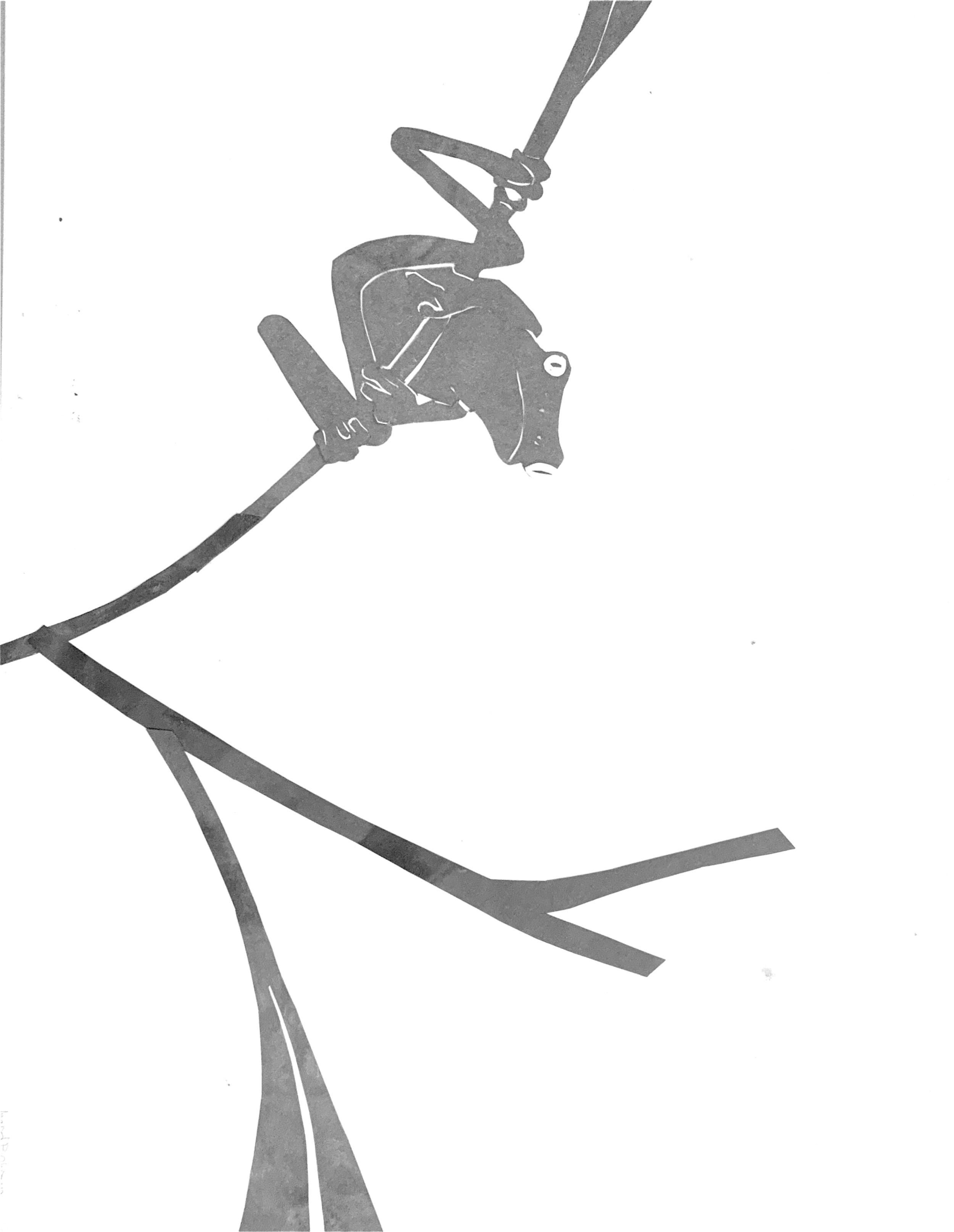
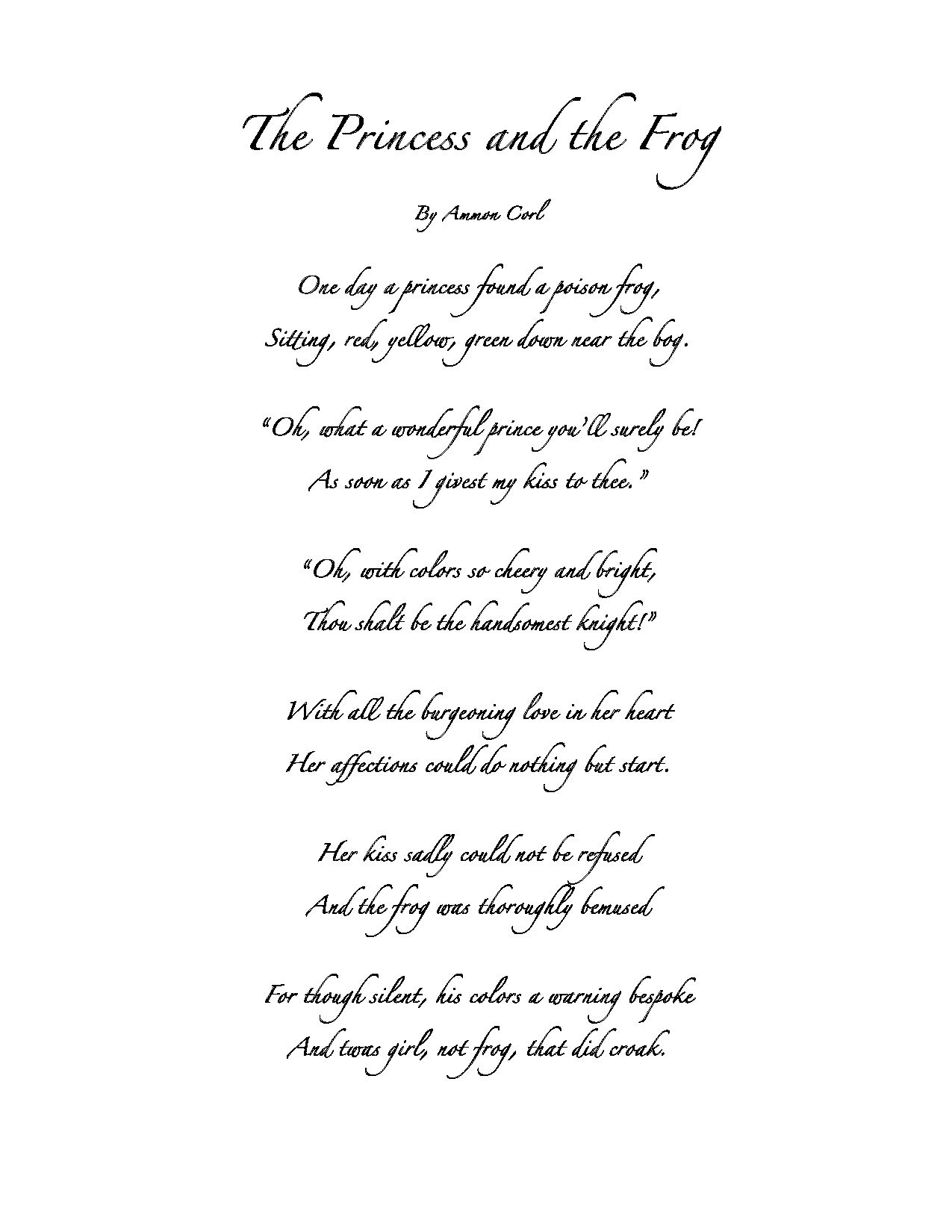
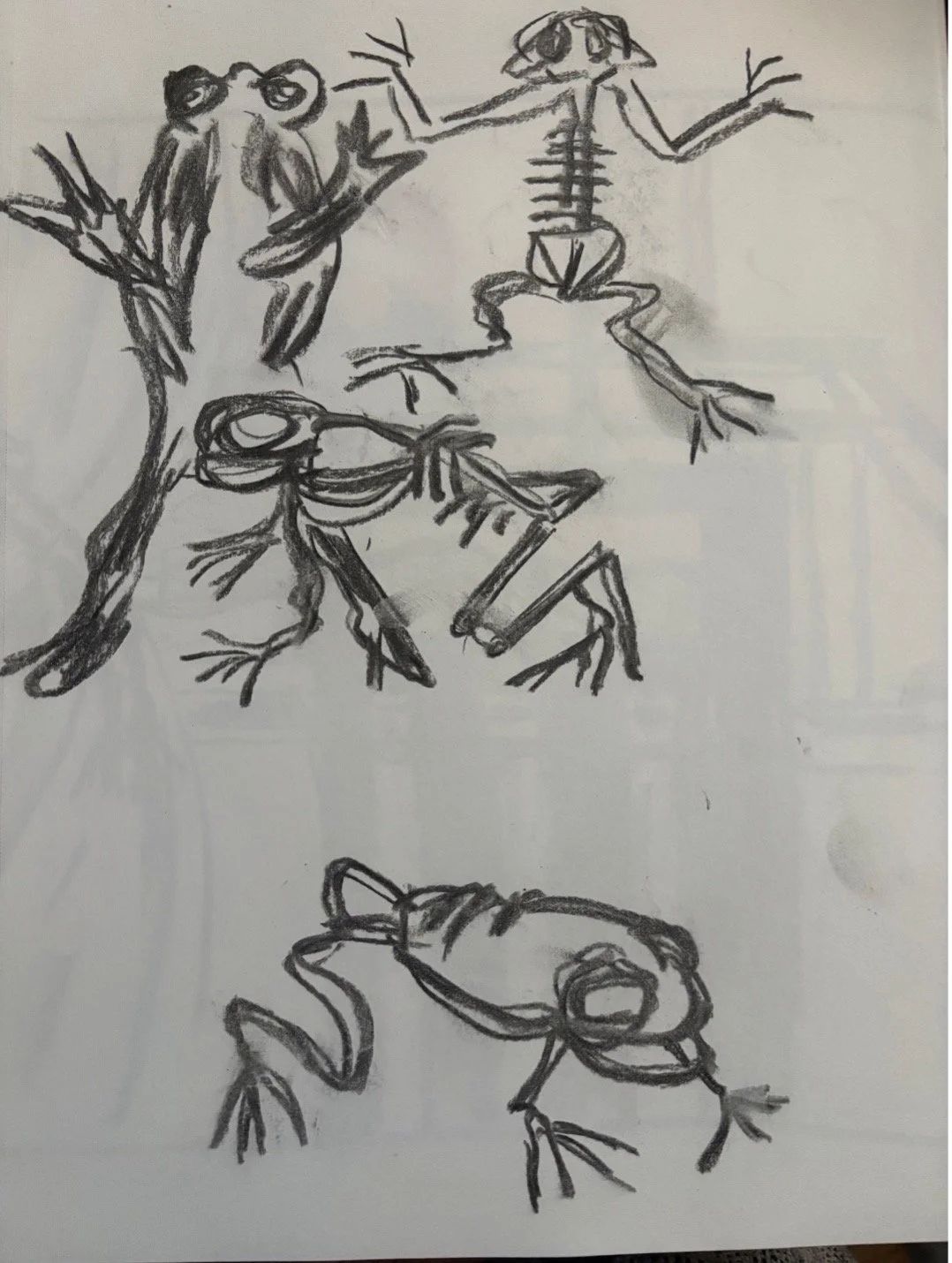
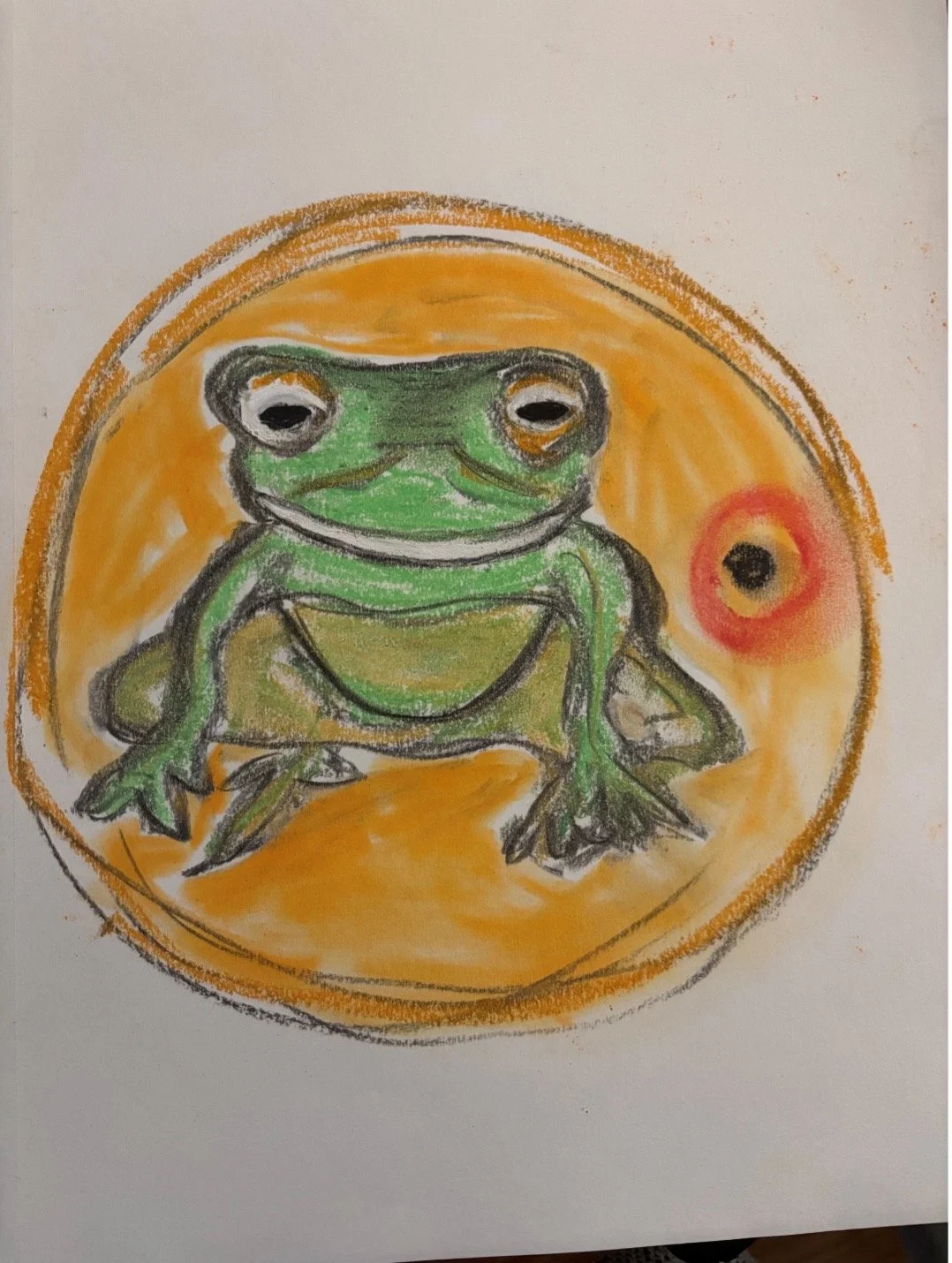
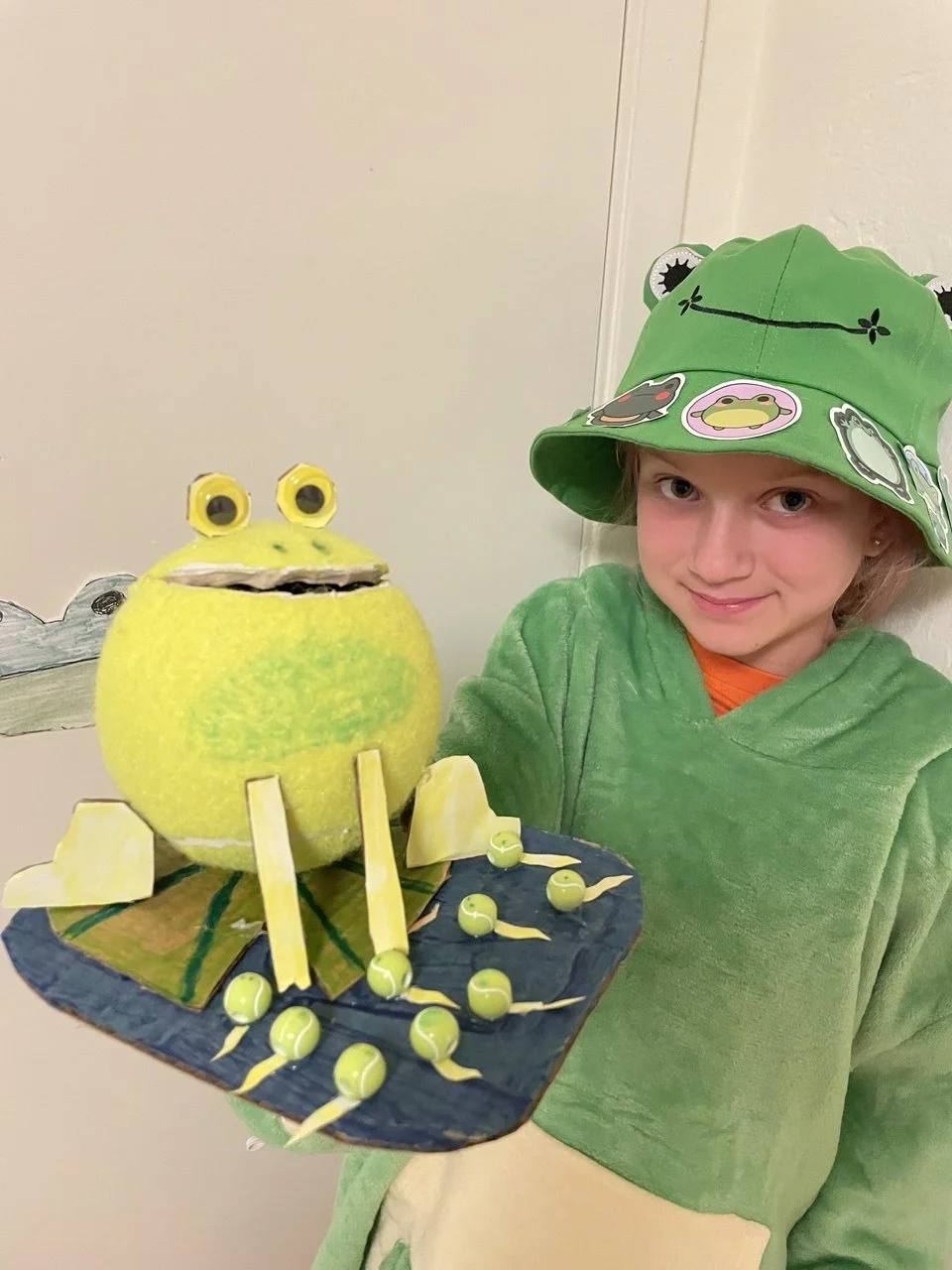
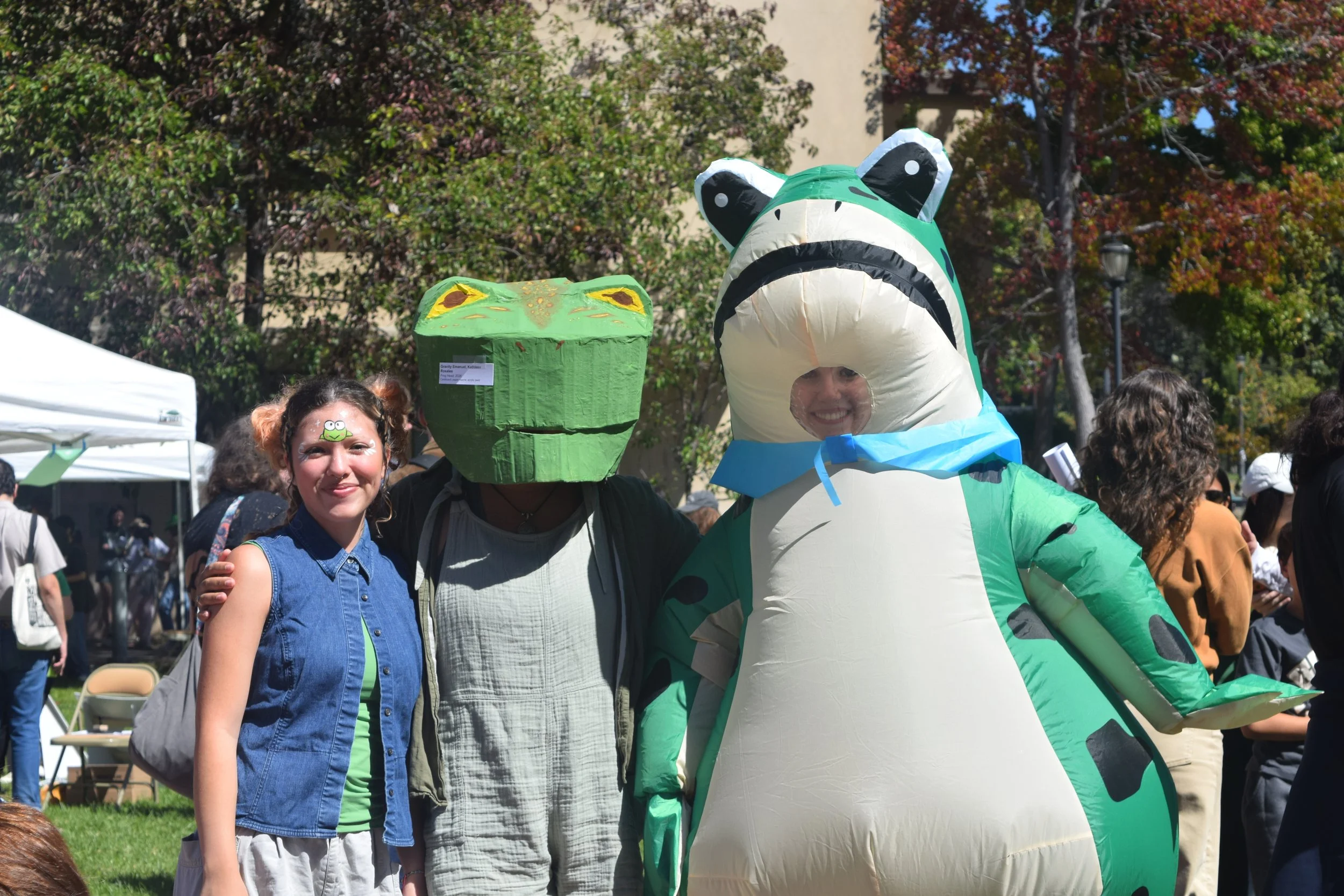
View entries for the art competition
Contribute to a collective art piece
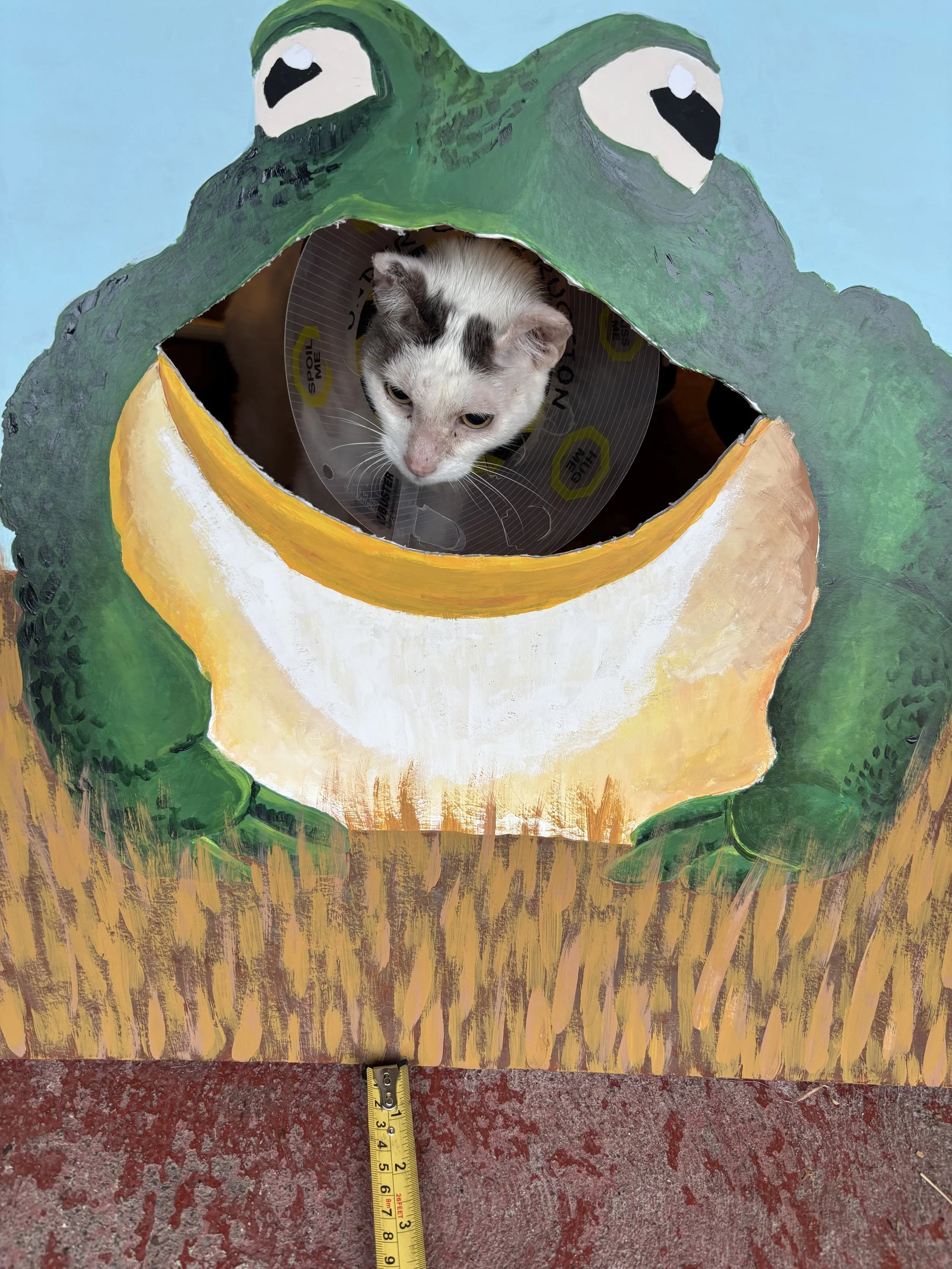
Frog-themed photobooth
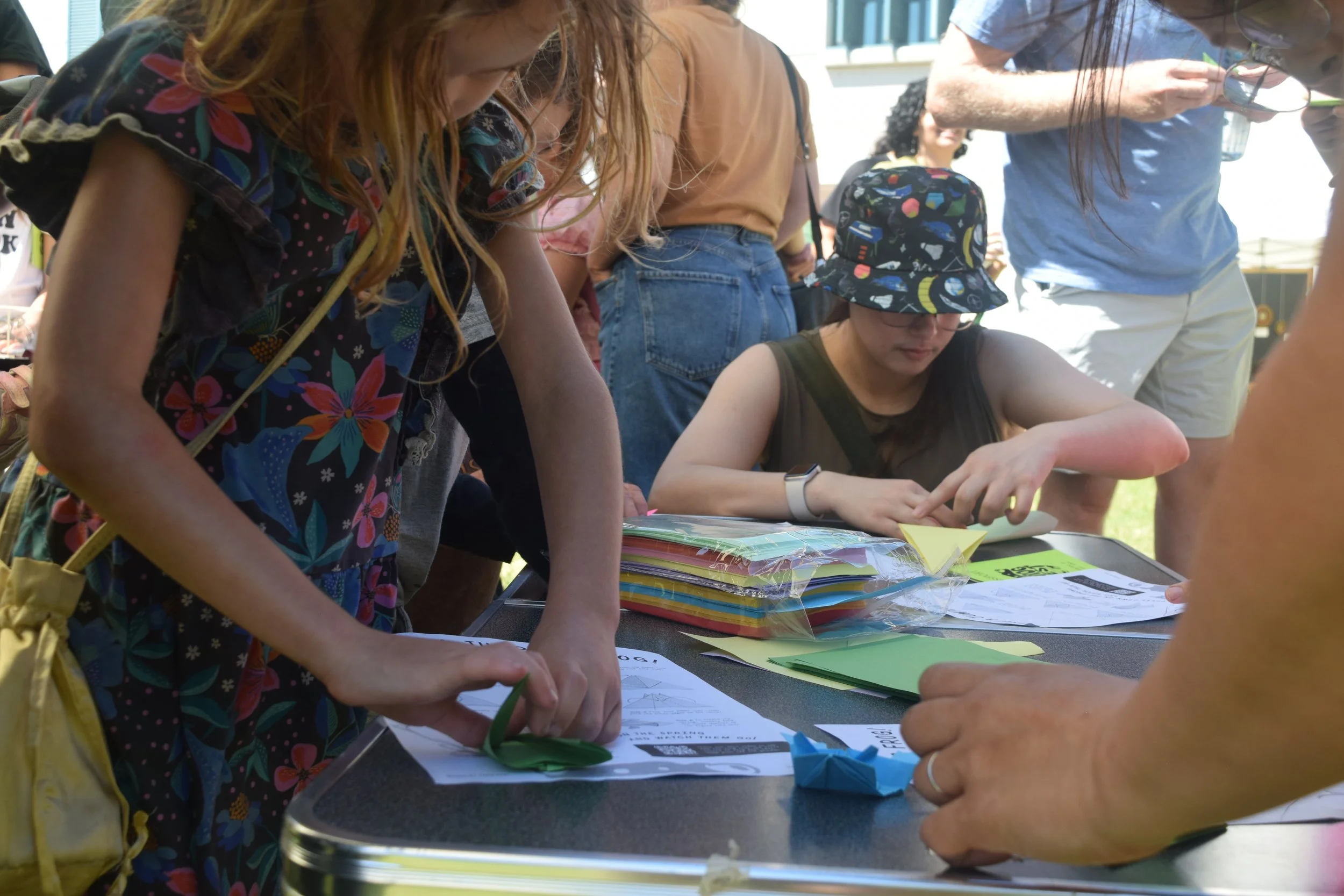
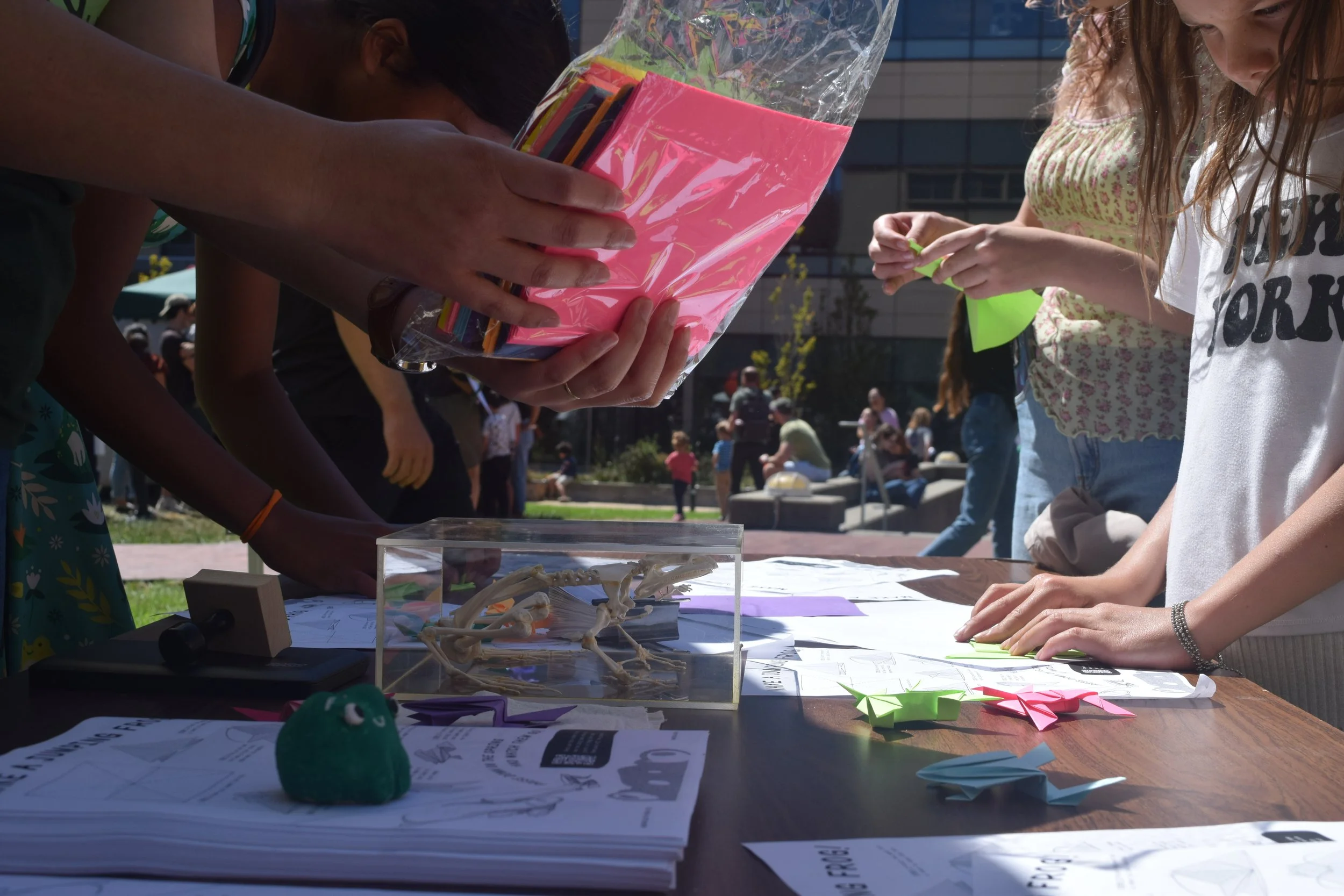
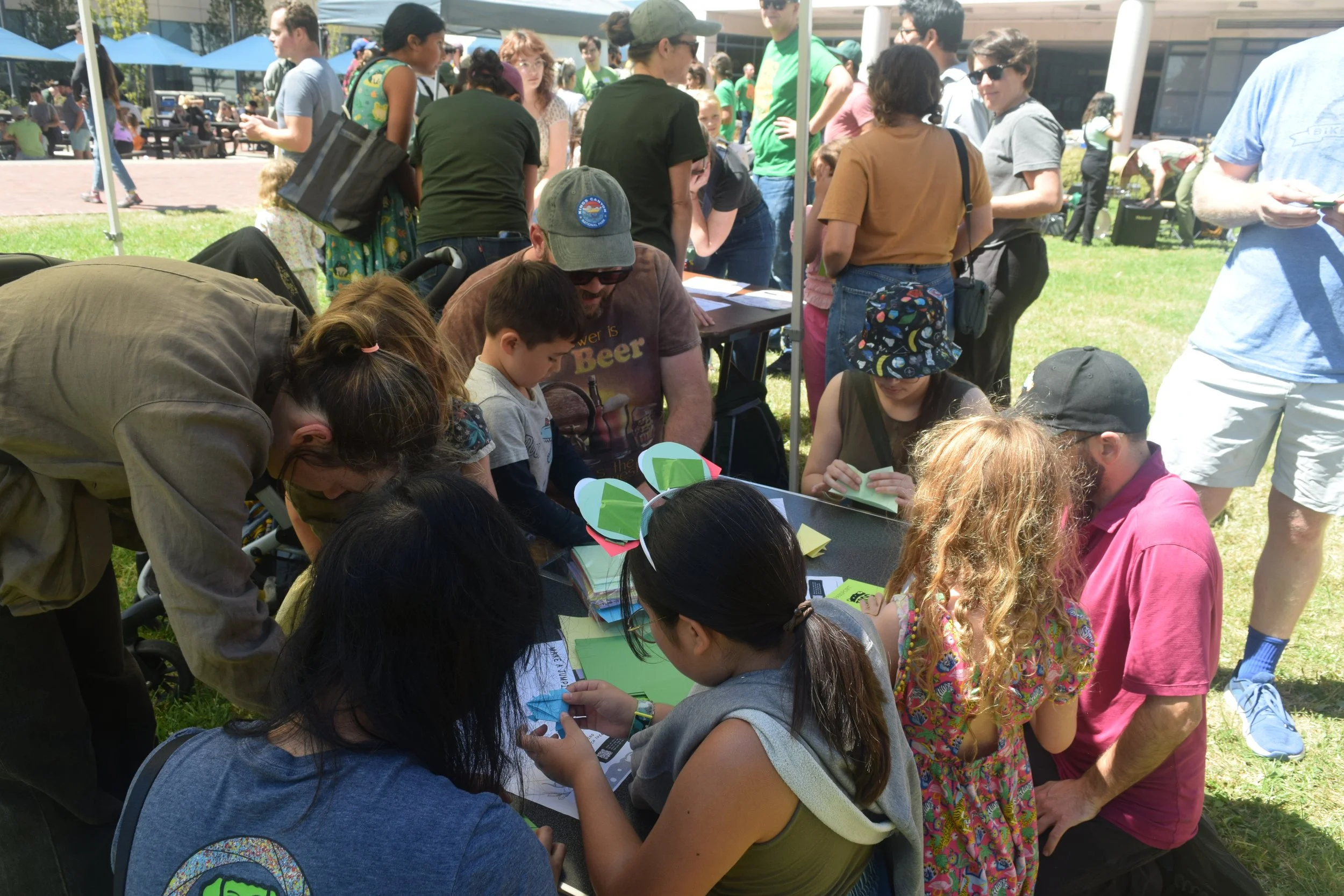
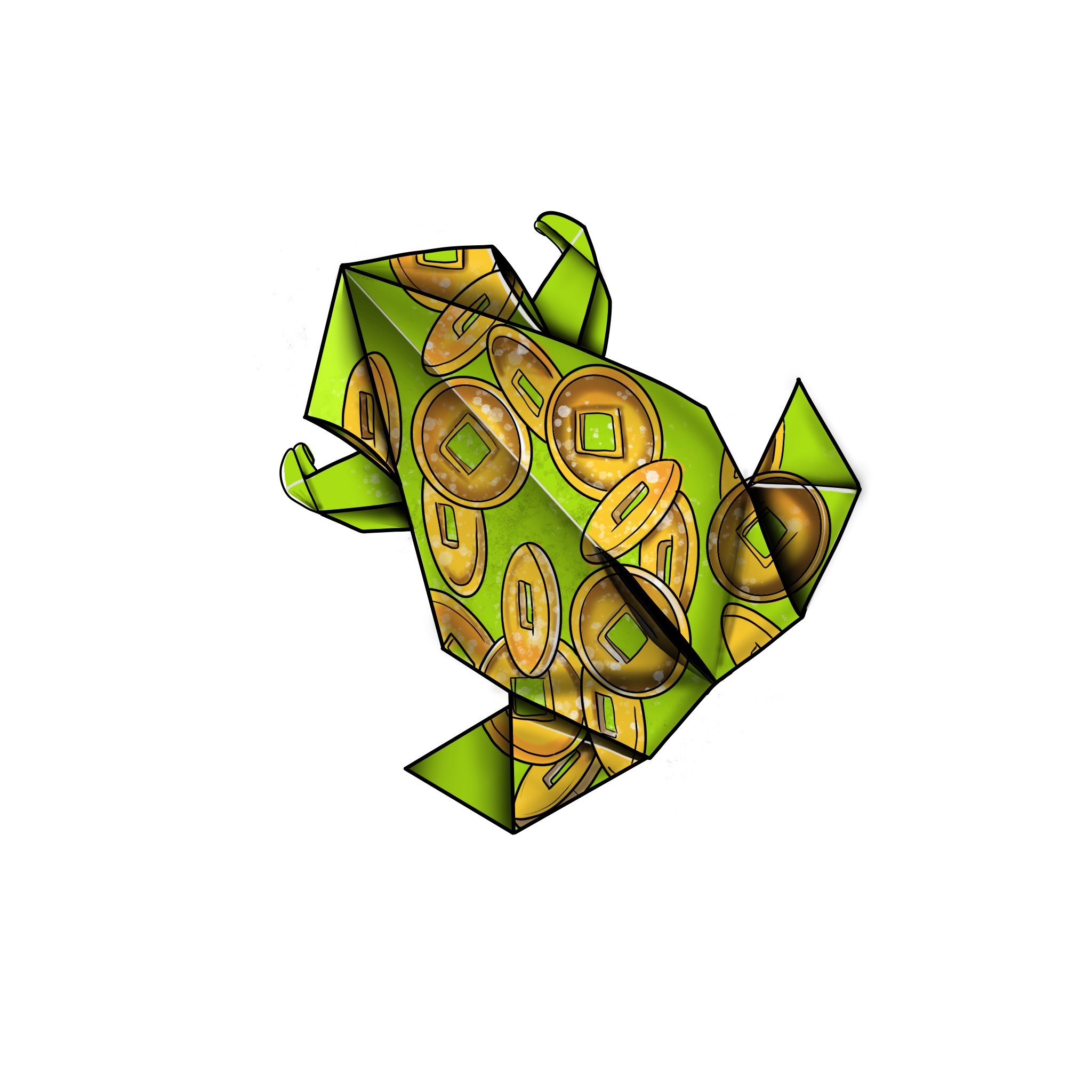
Frog origami
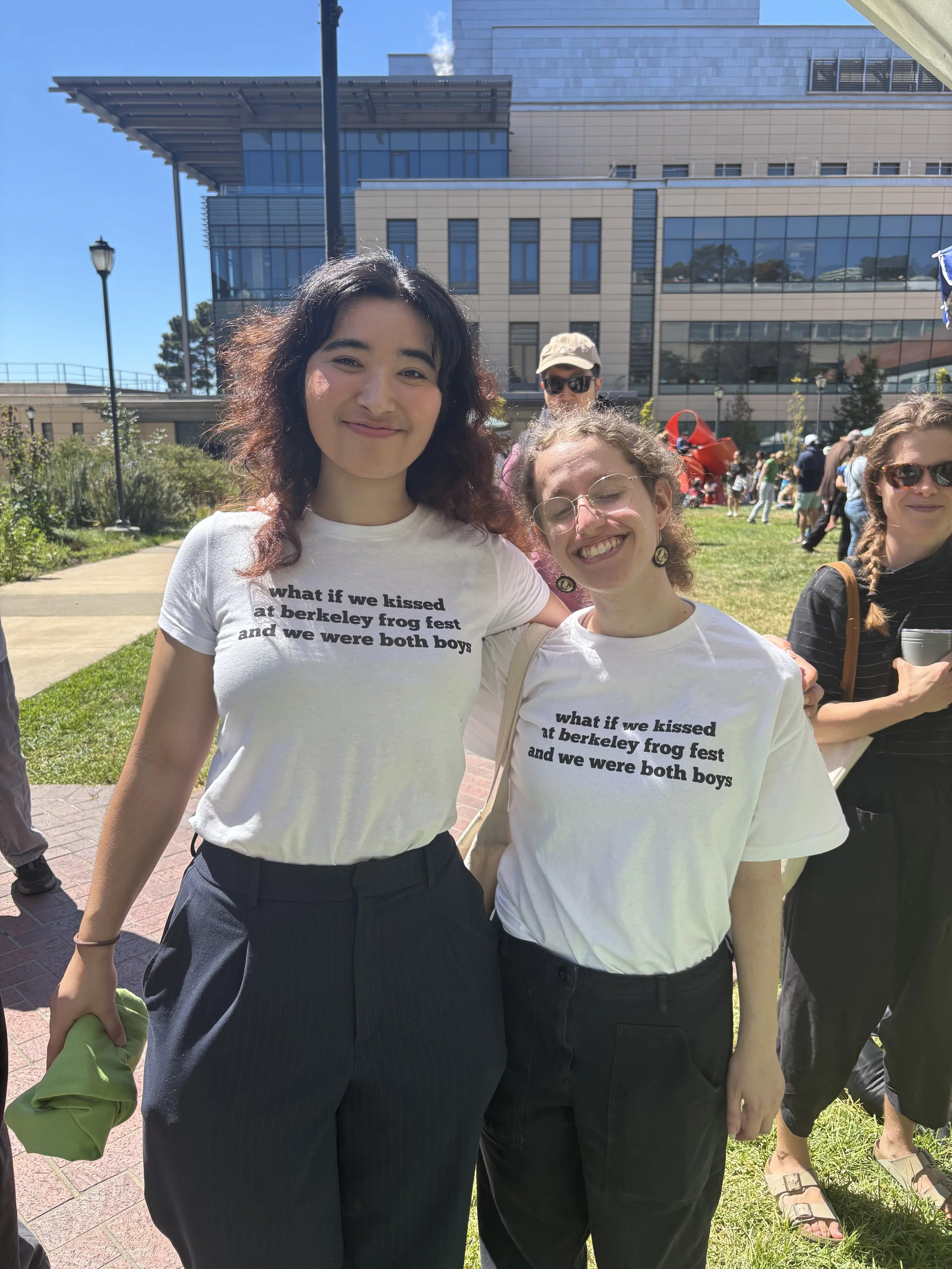
Screen print your own shirt
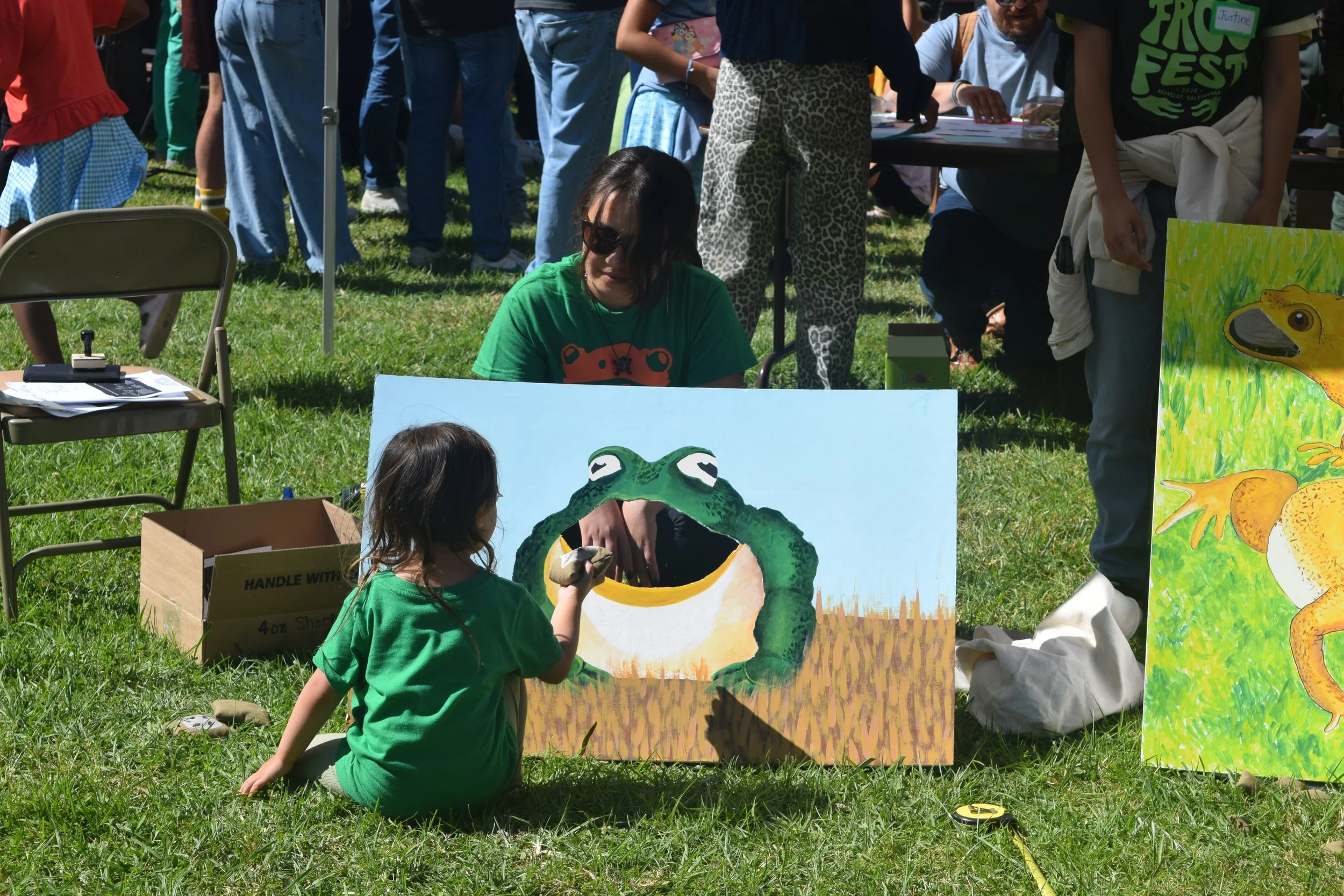
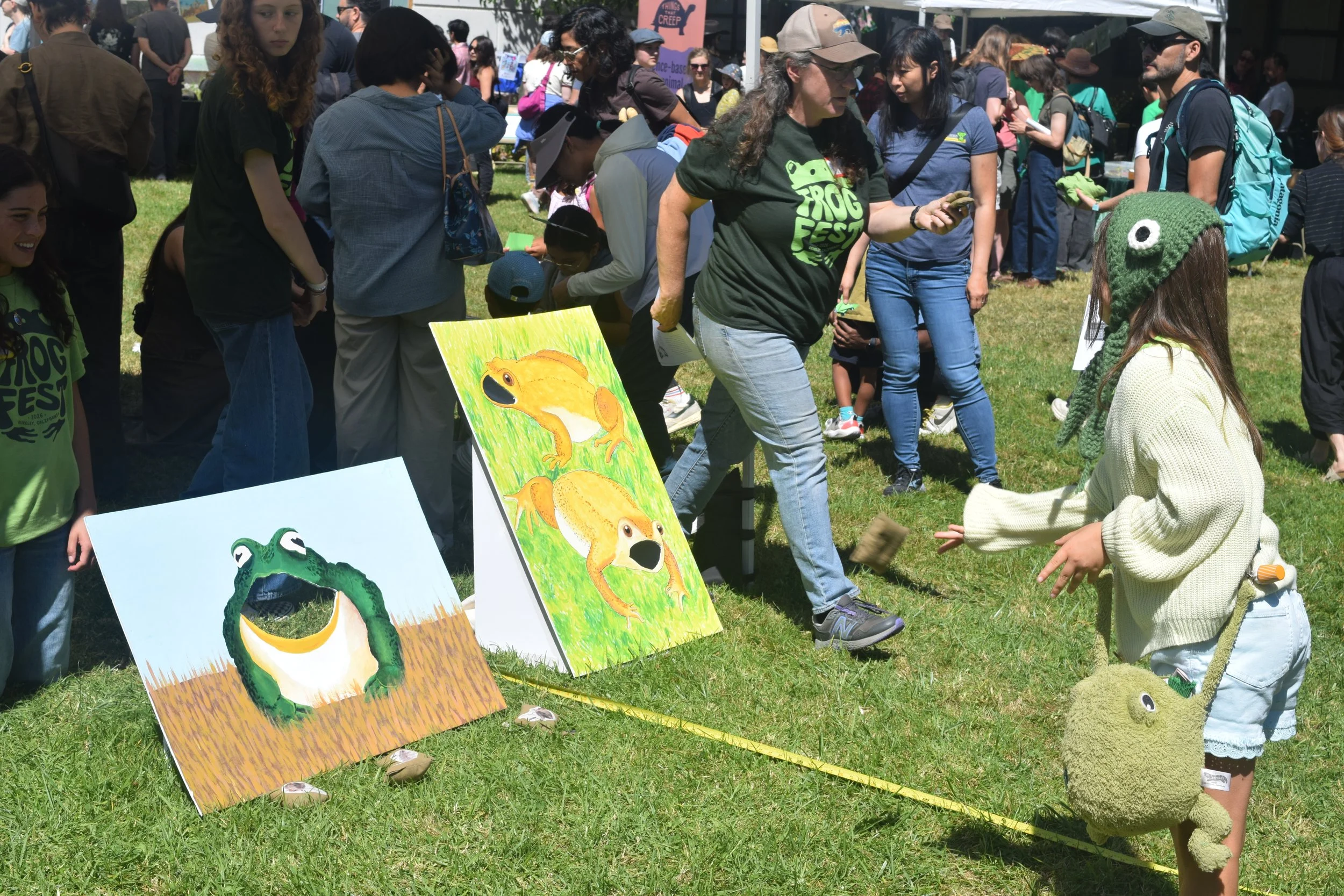
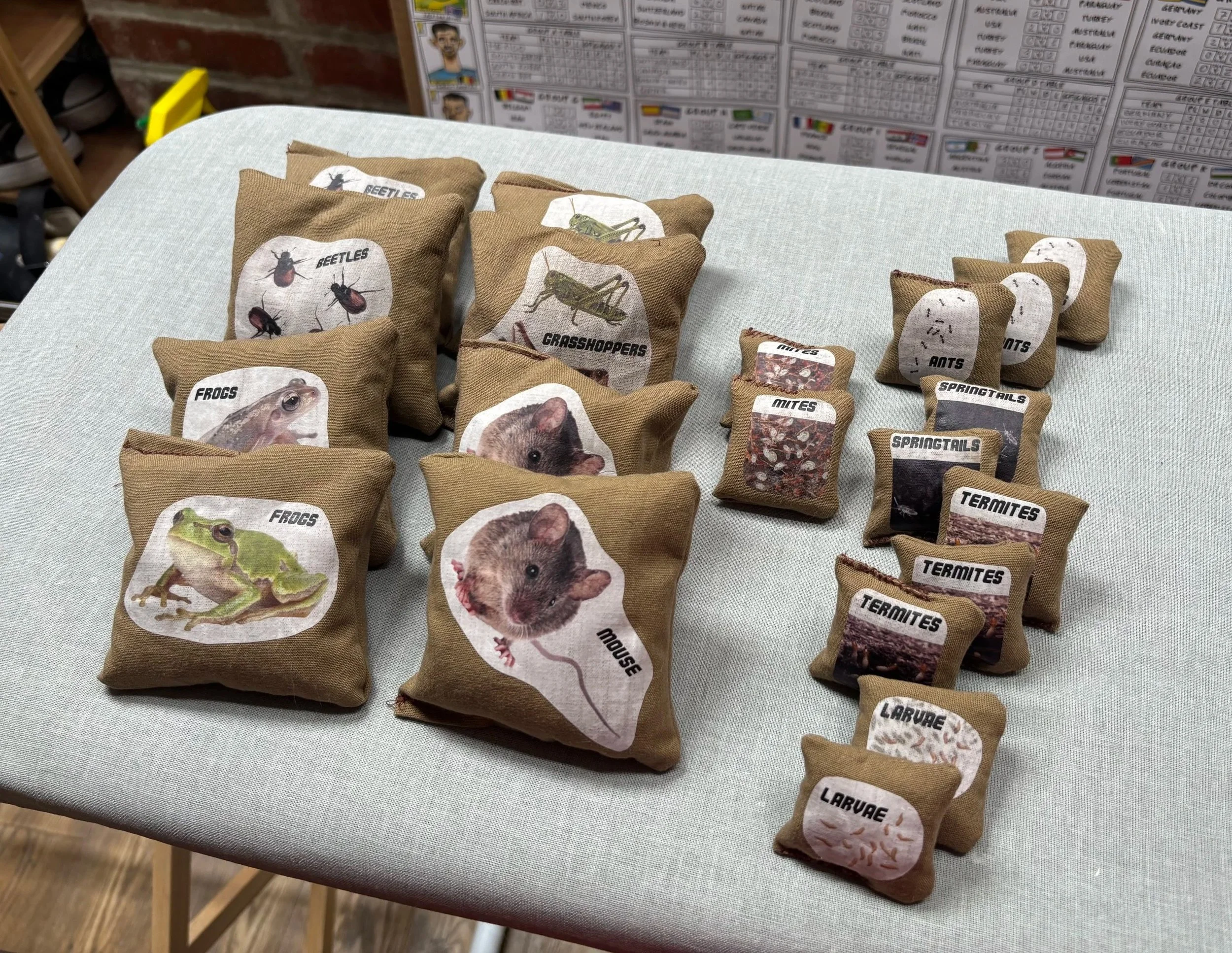
Children’s games
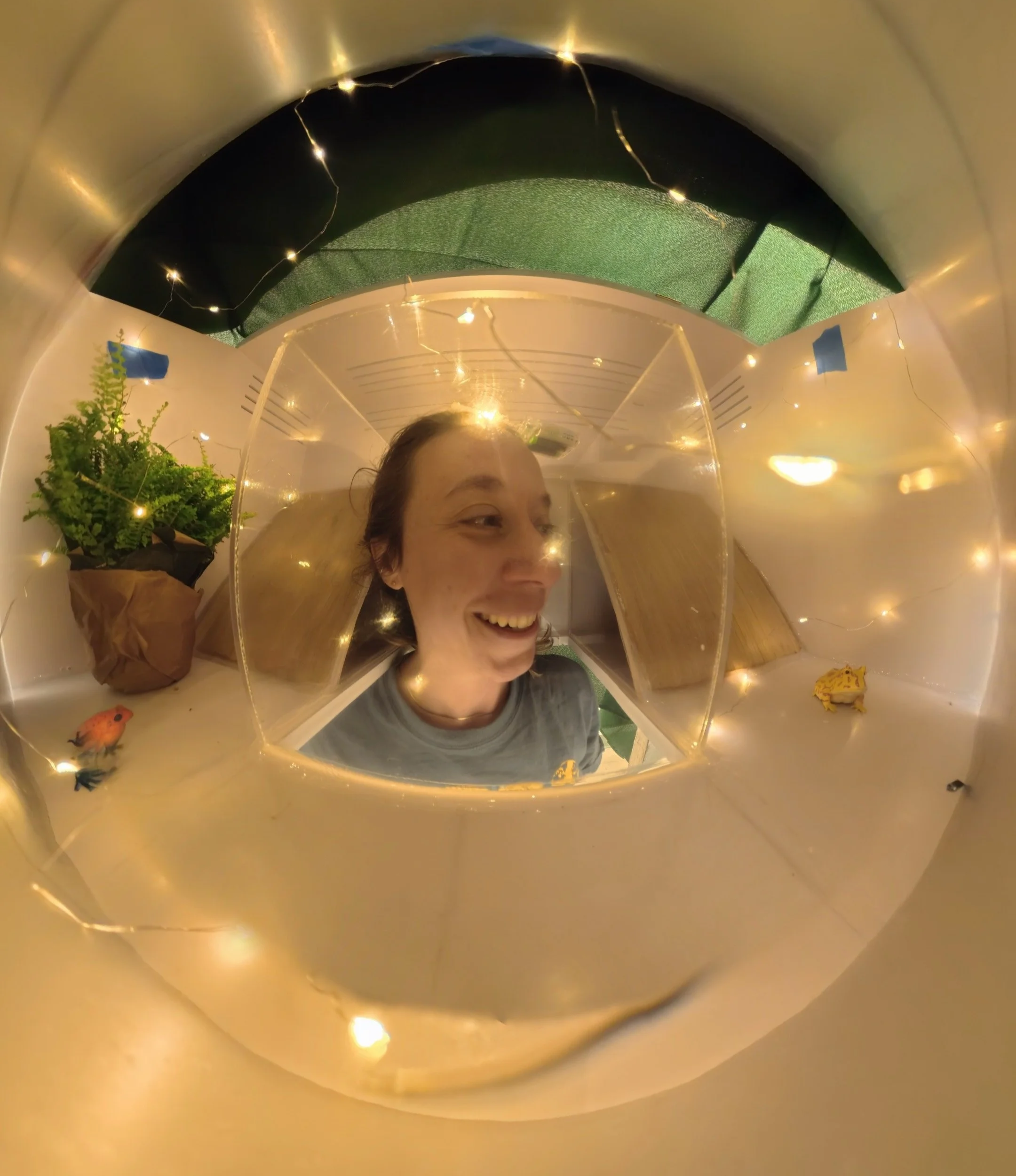
Live poison frogs
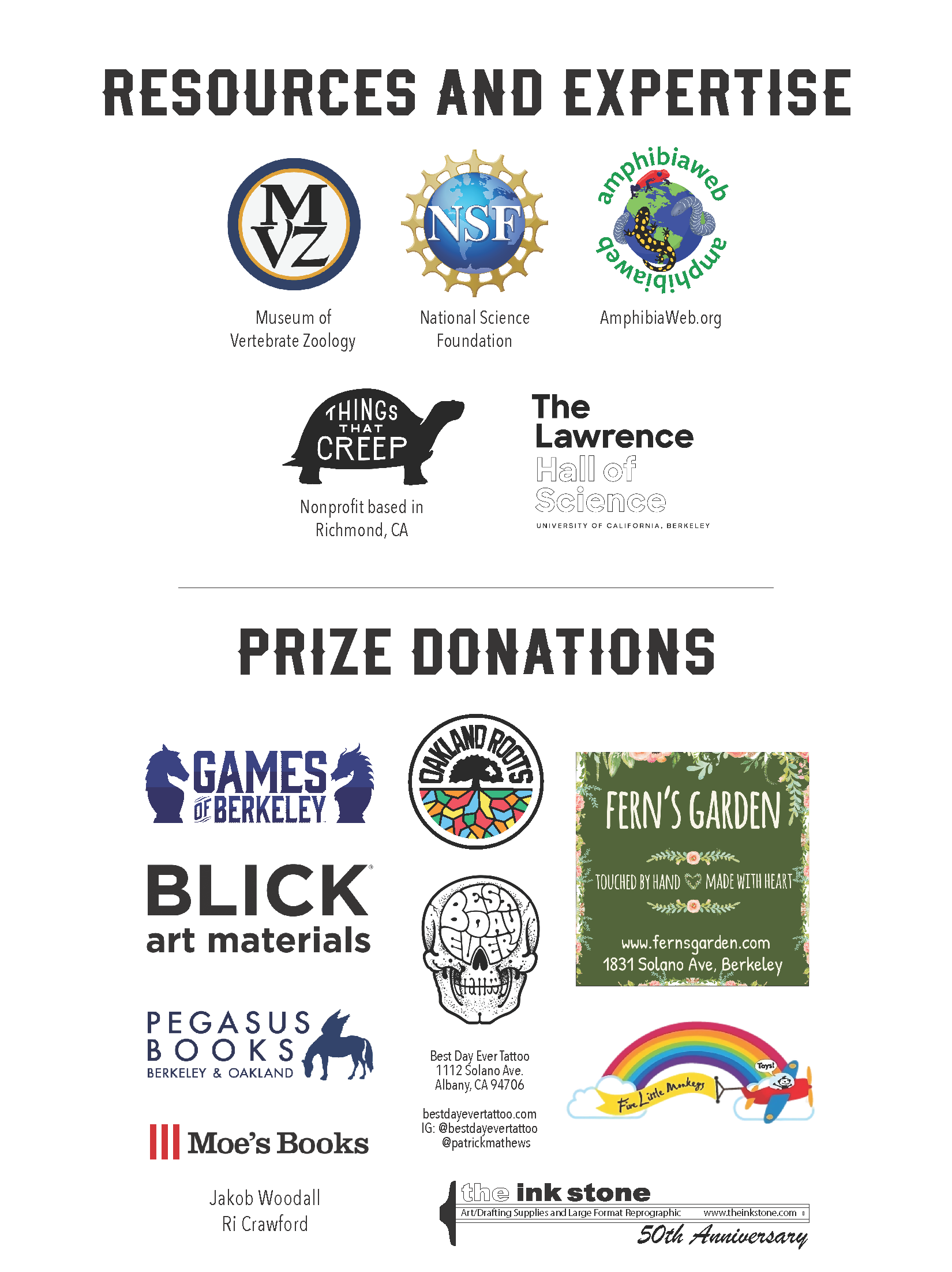
Tours of the Museum of Vertebrate Zoology
Amphibioscope: learn about your amphibiological sign and read your horoscope
Meet members of the AmphibiaWeb steering committee
SlimeMates! Amphibian-themed speed dating
More TBA…
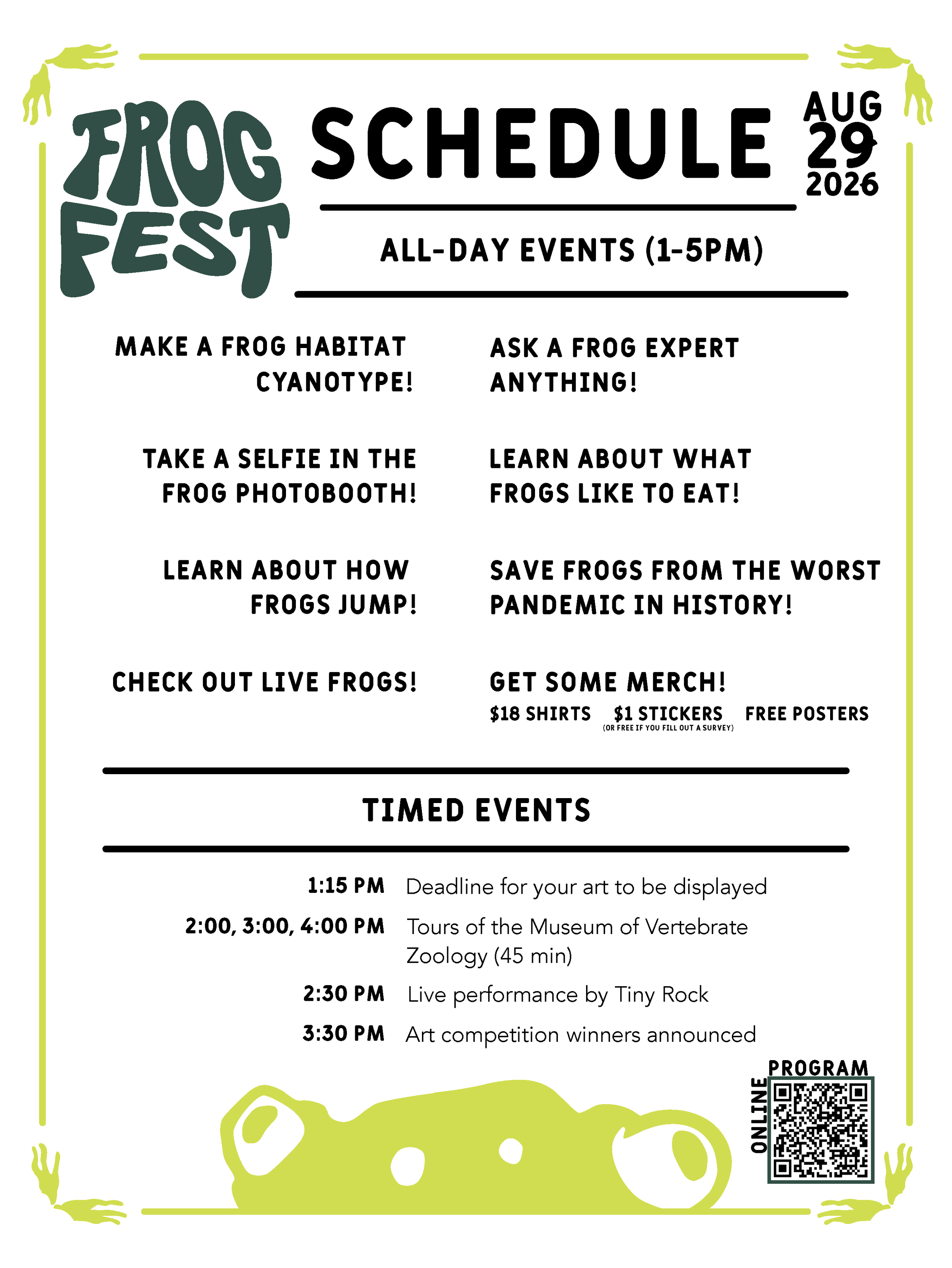
Full schedule will be posted closer to event
Want to donate a prize or volunteer your time? Have ideas for activities? Please contact Becca Tarvin at rdtarvin@berkeley.edu
Art competition details
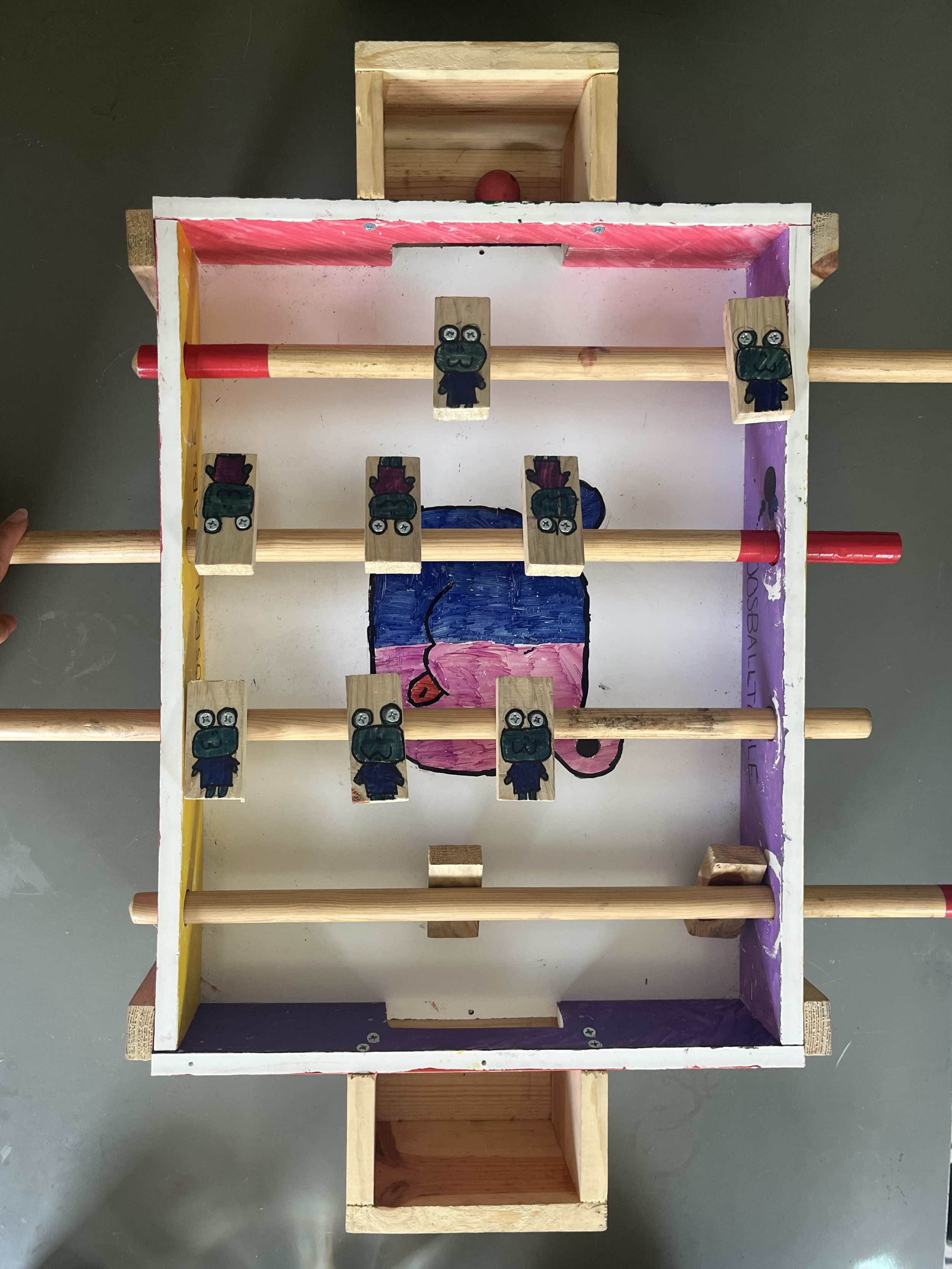
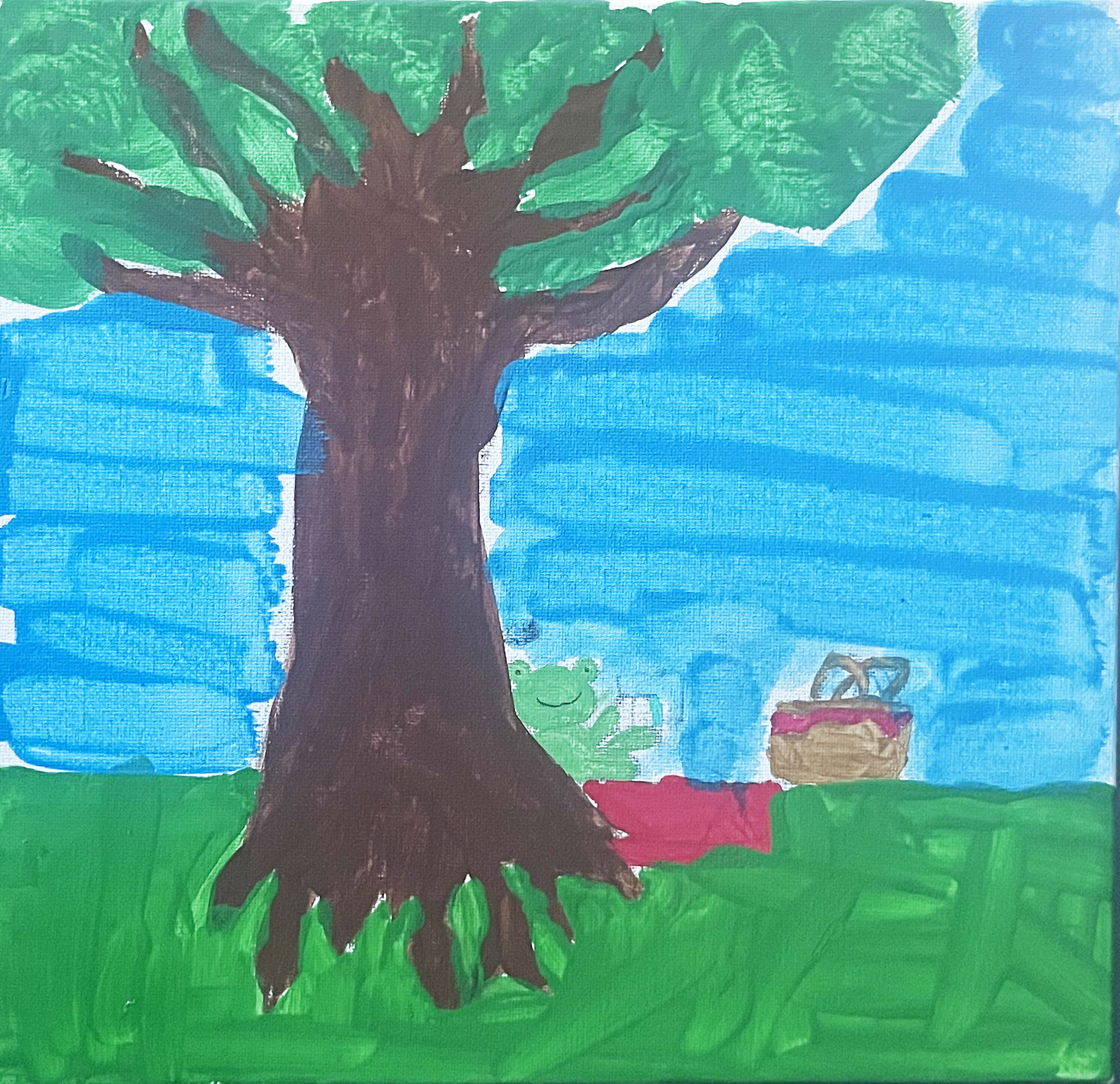
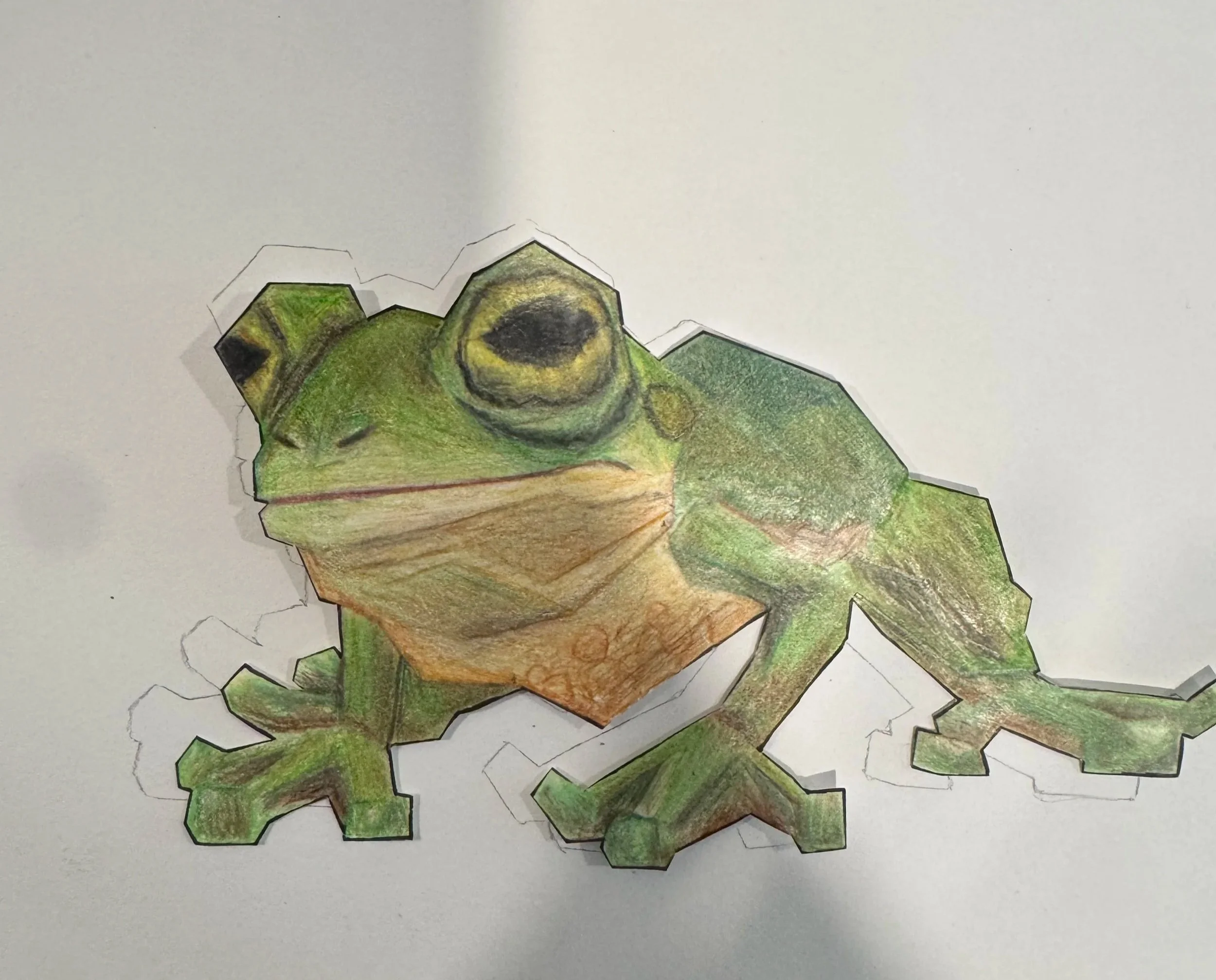
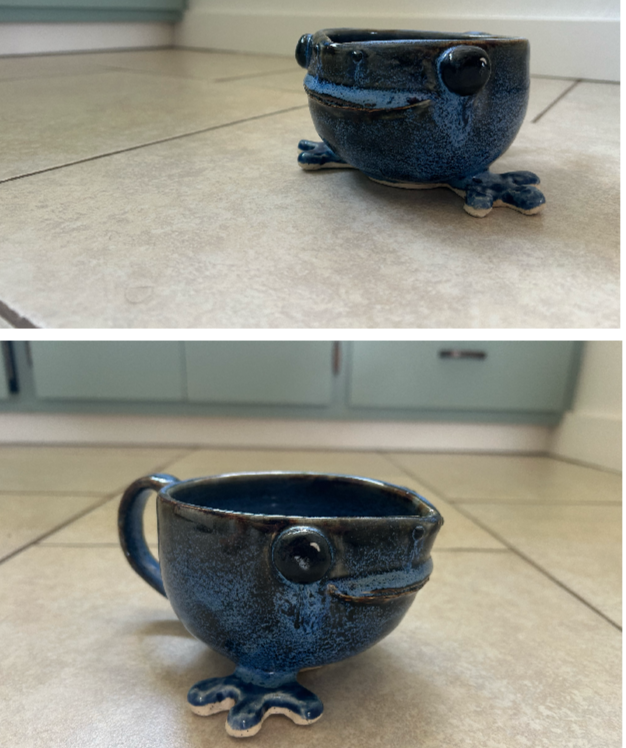
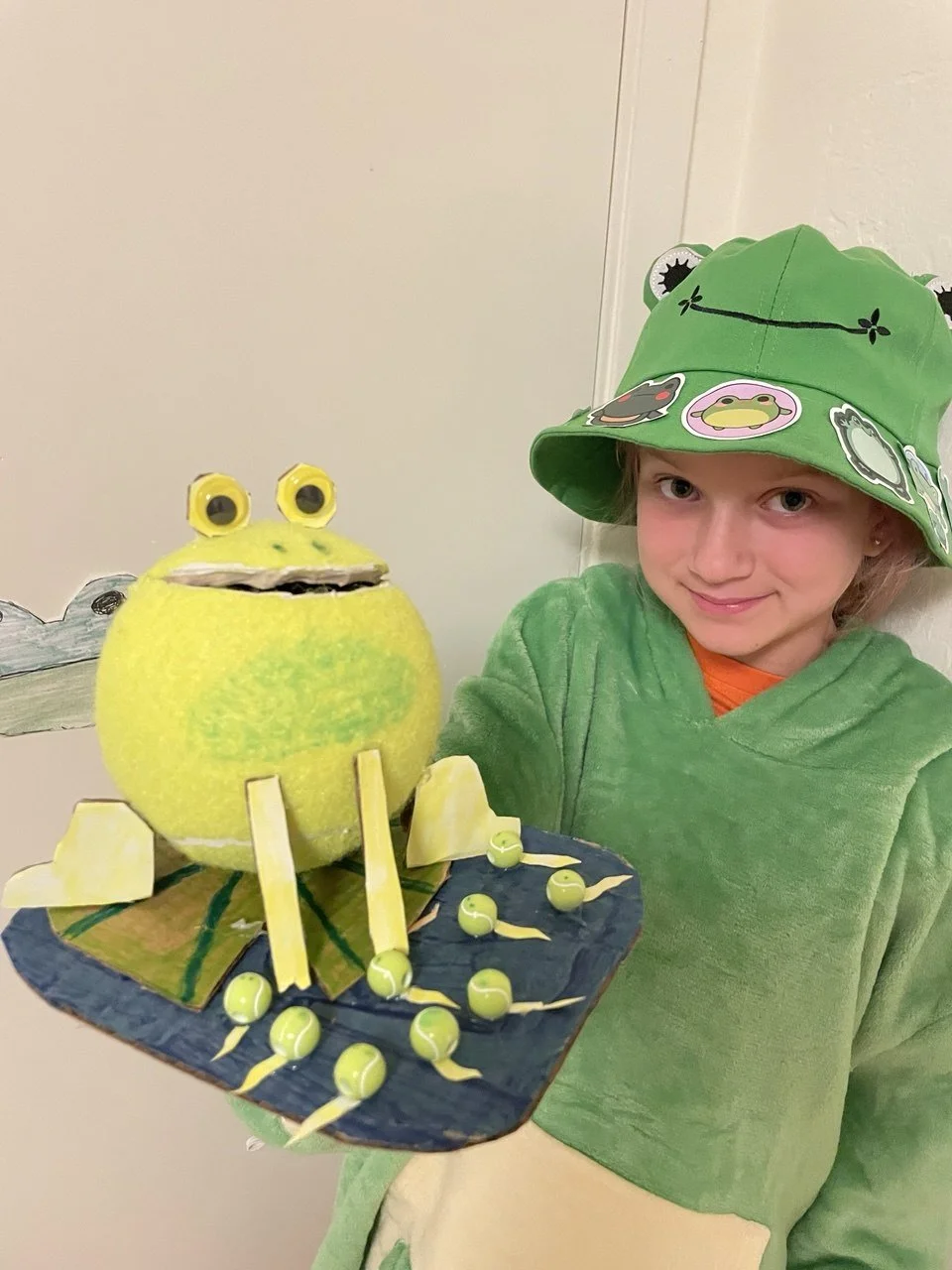
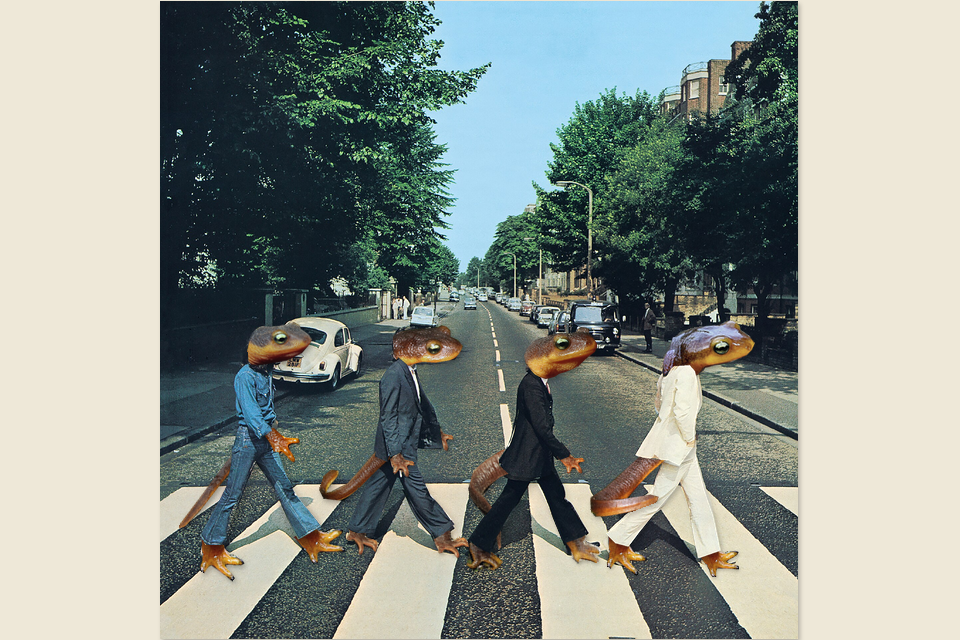
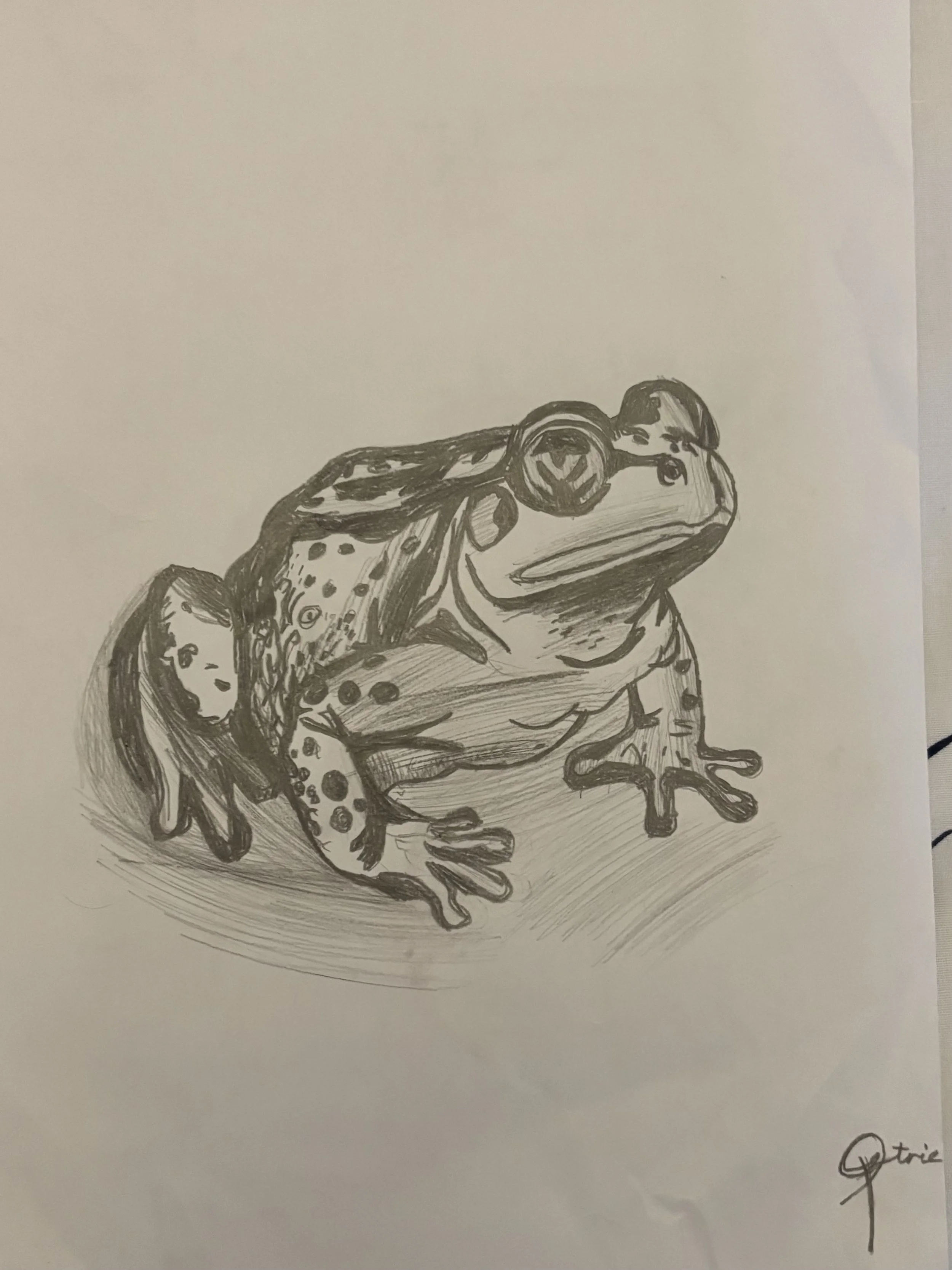
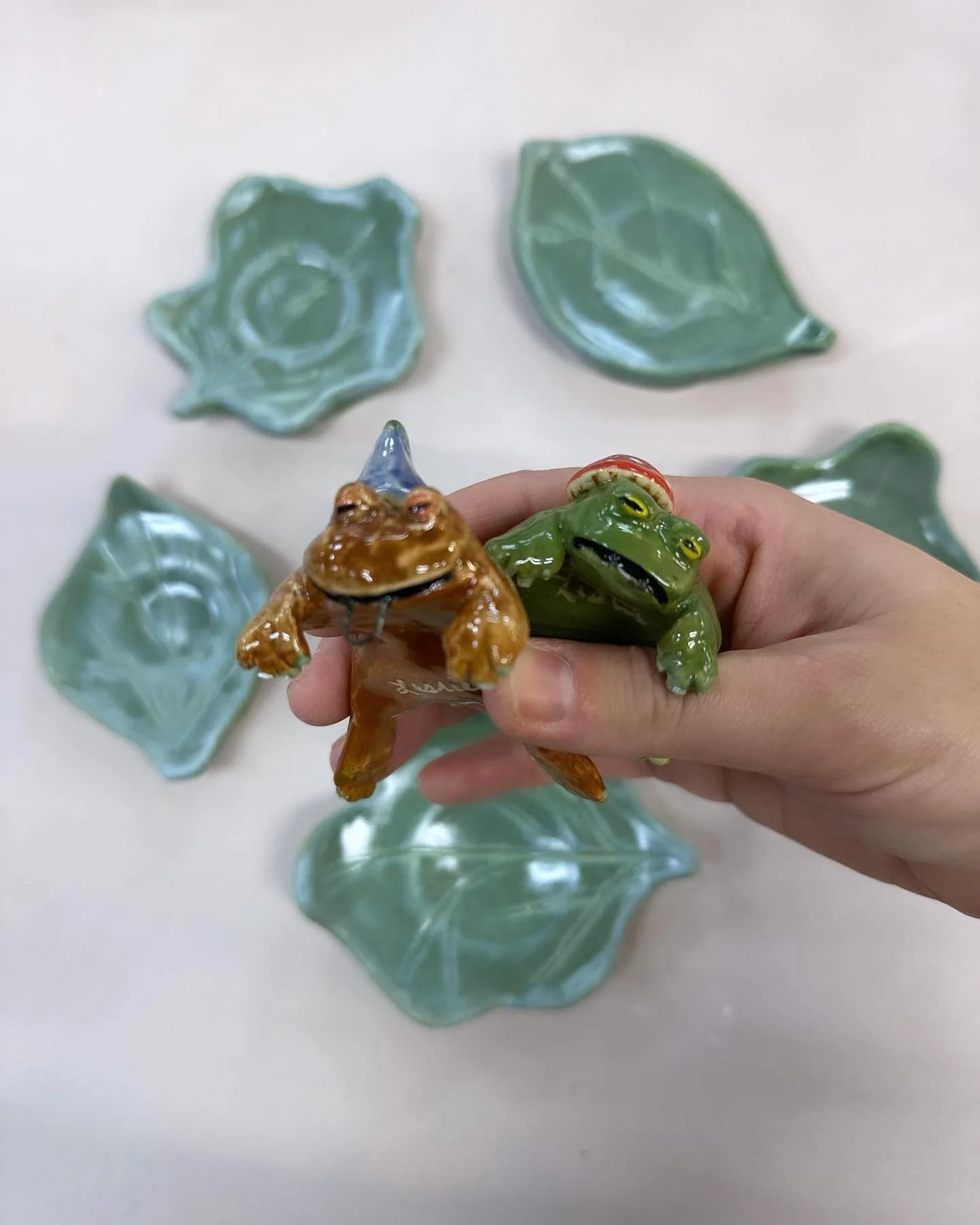
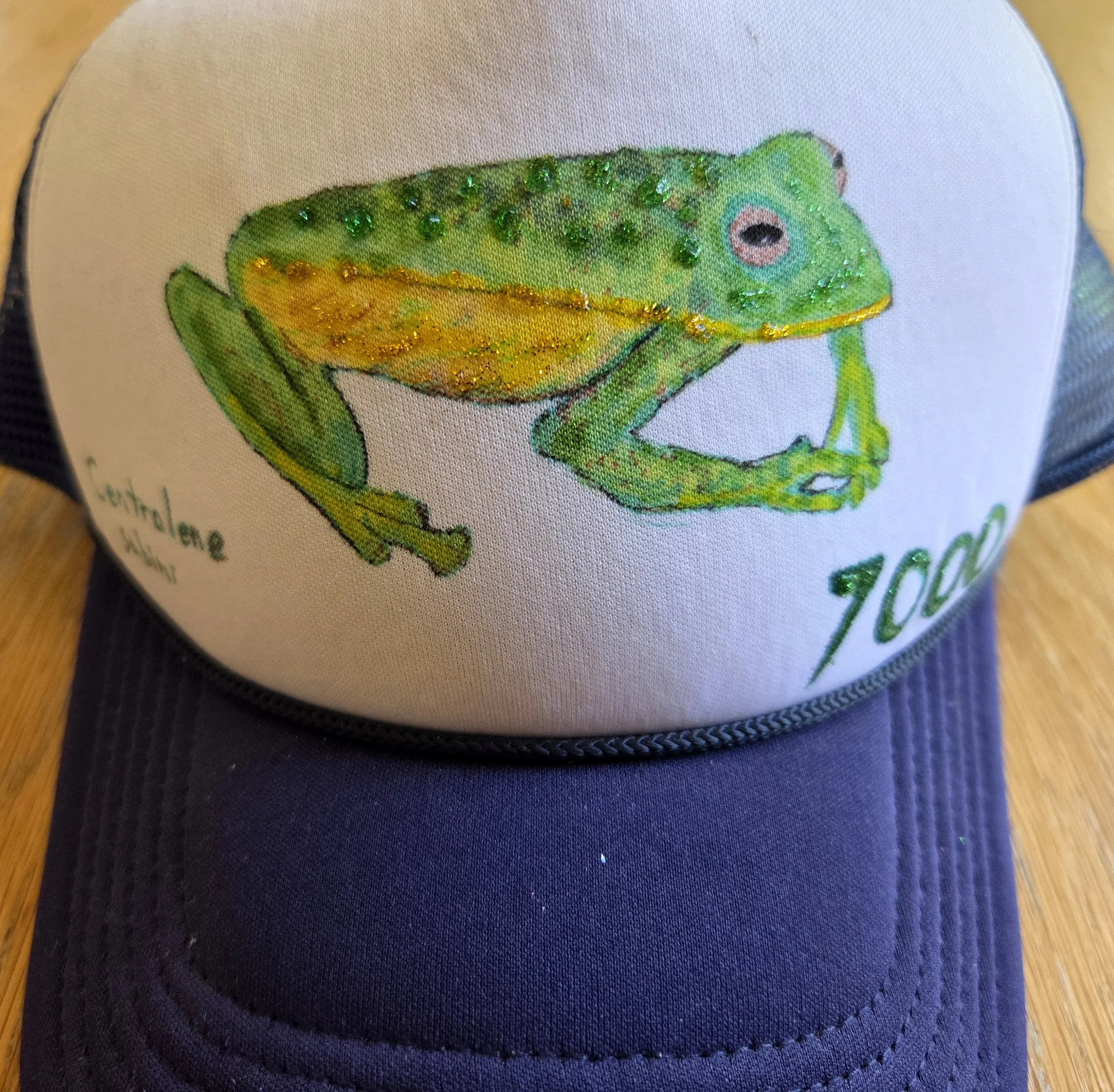
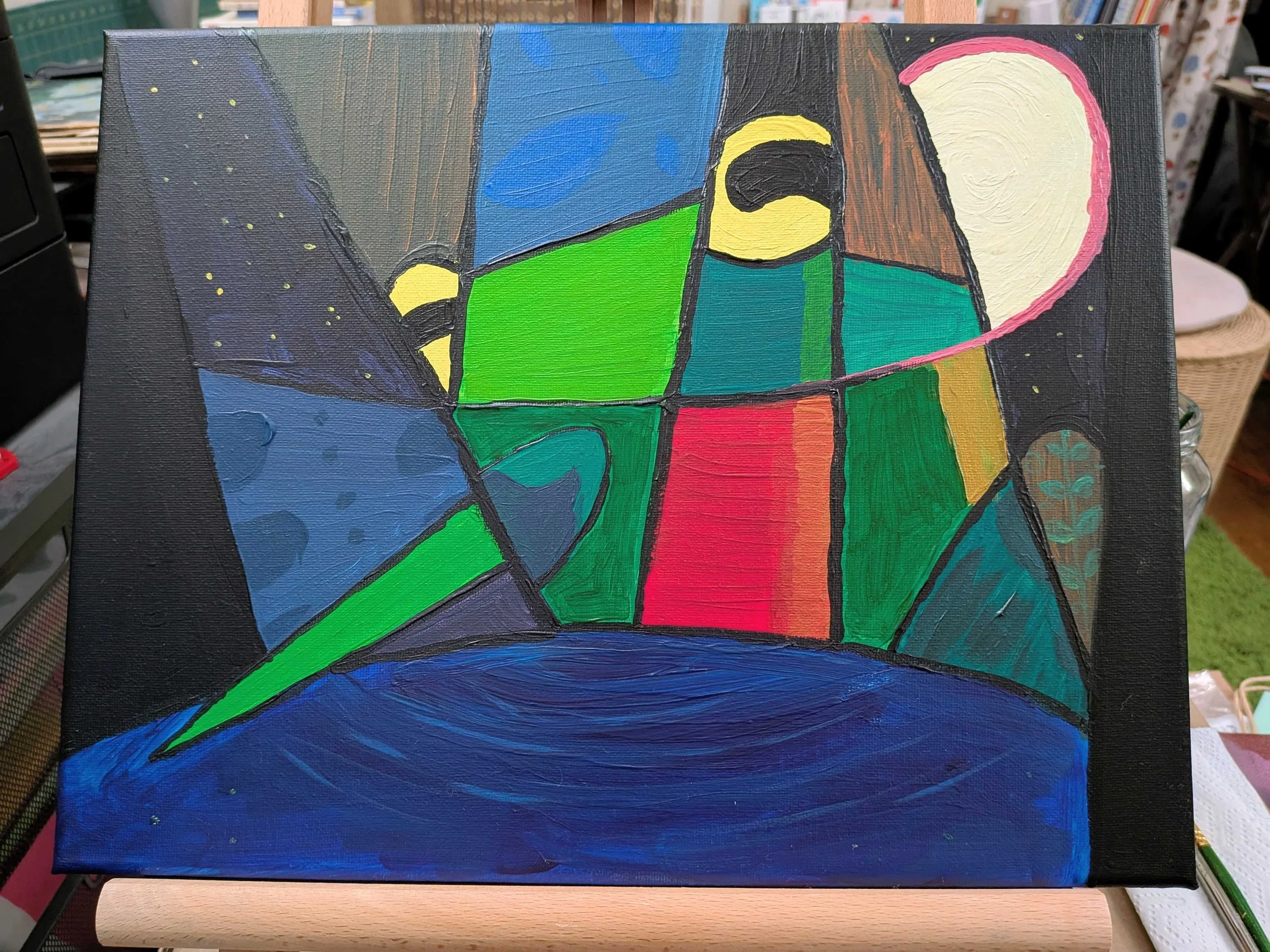
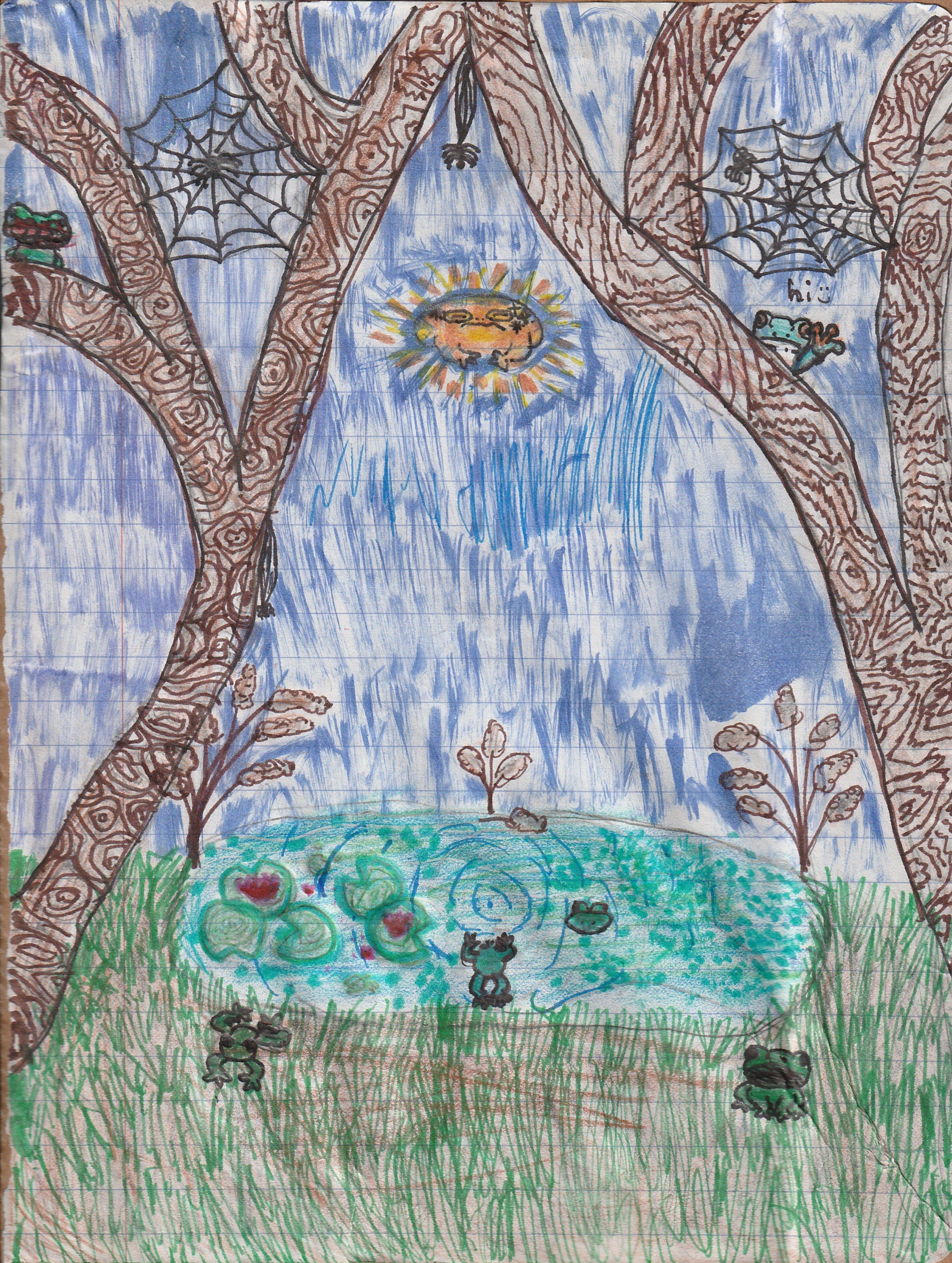
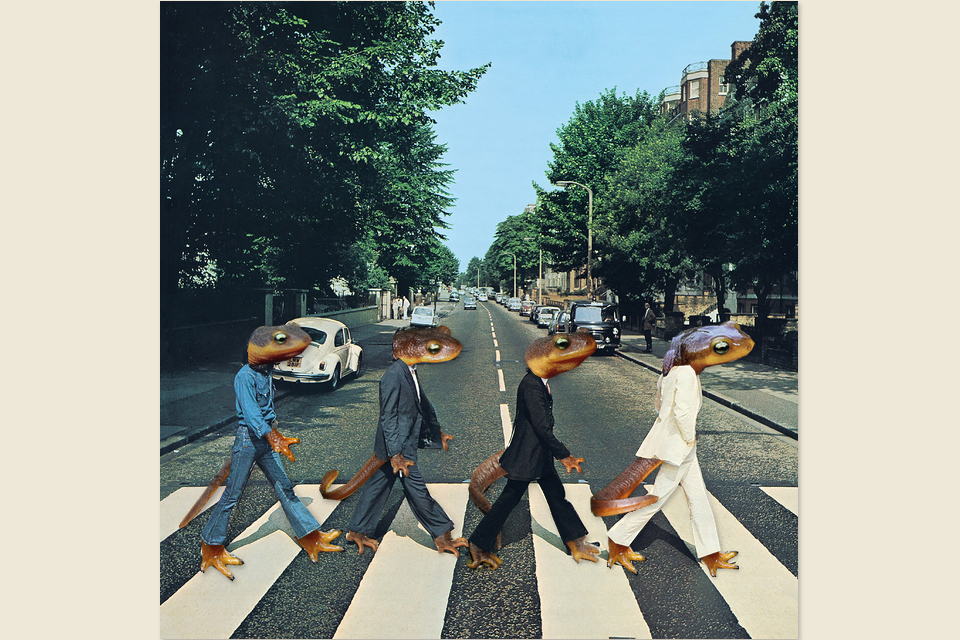
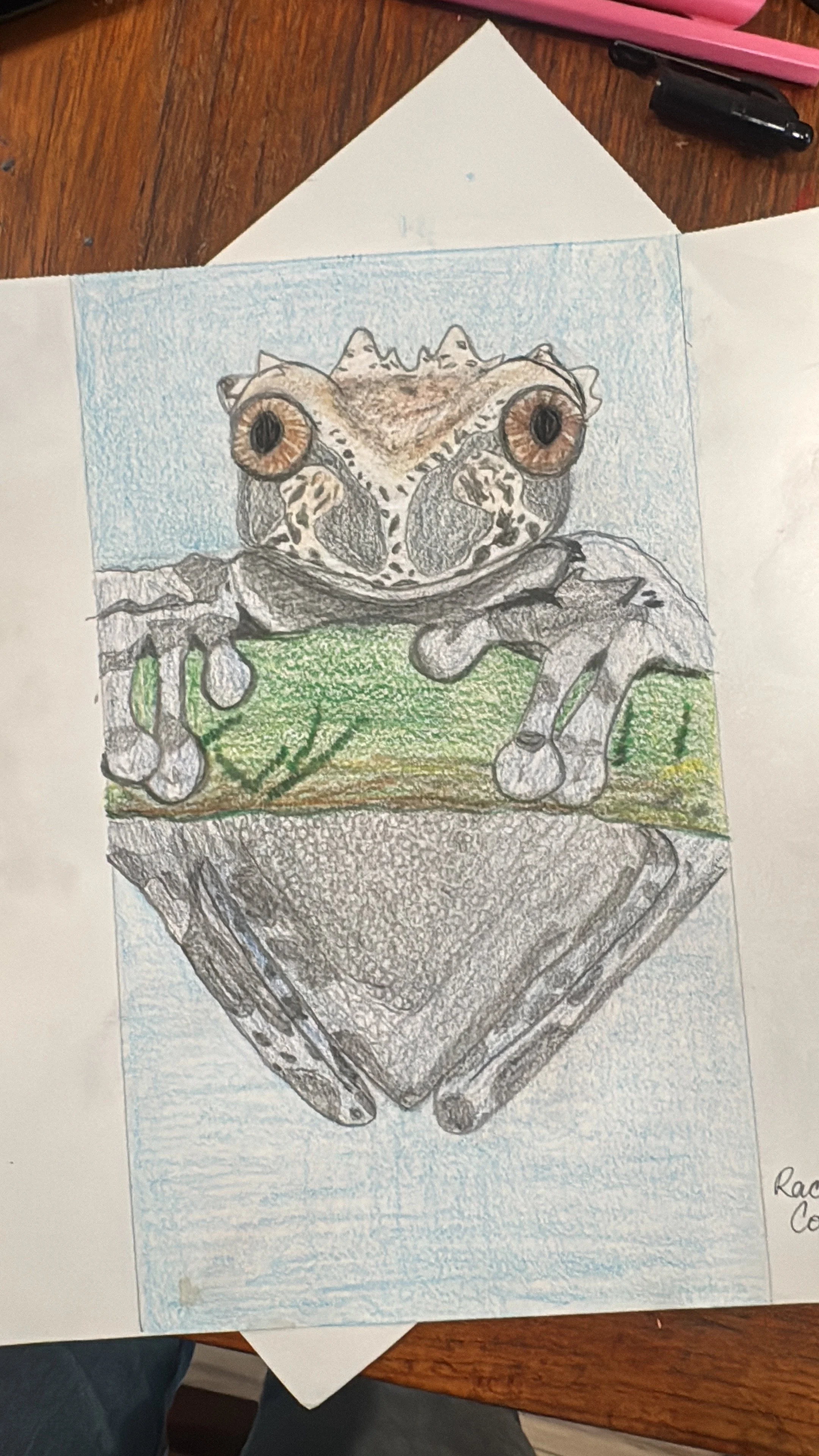
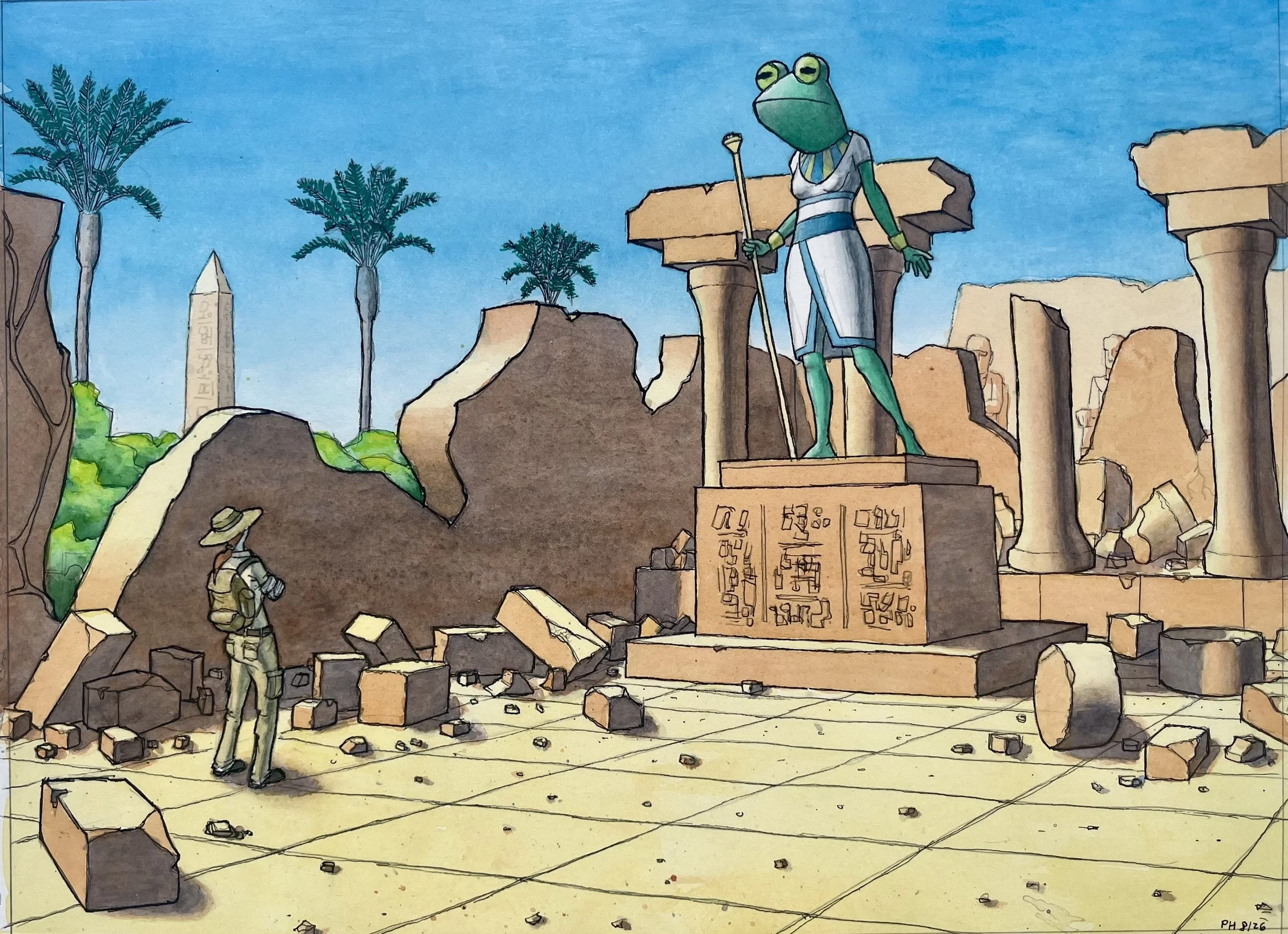
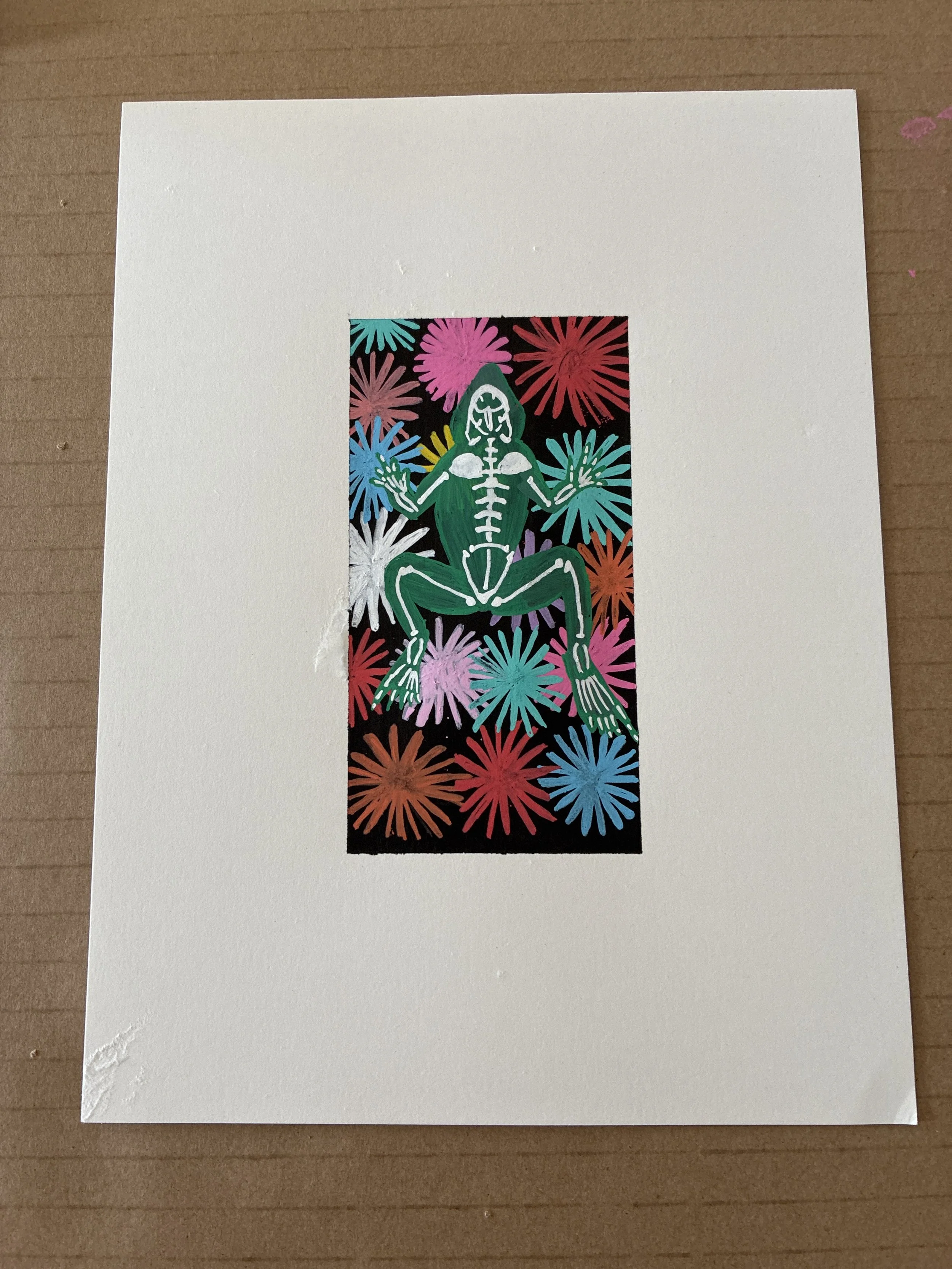
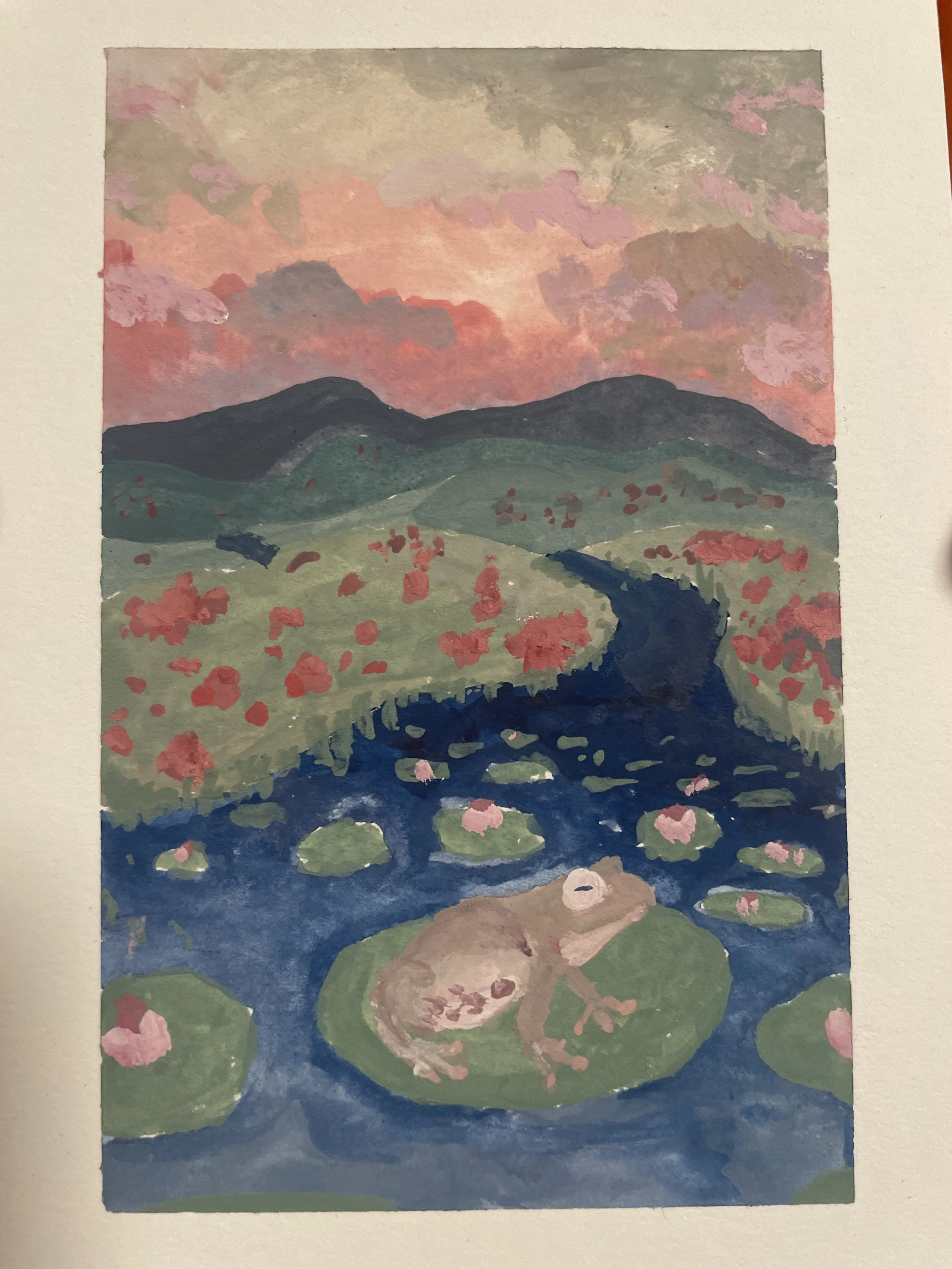
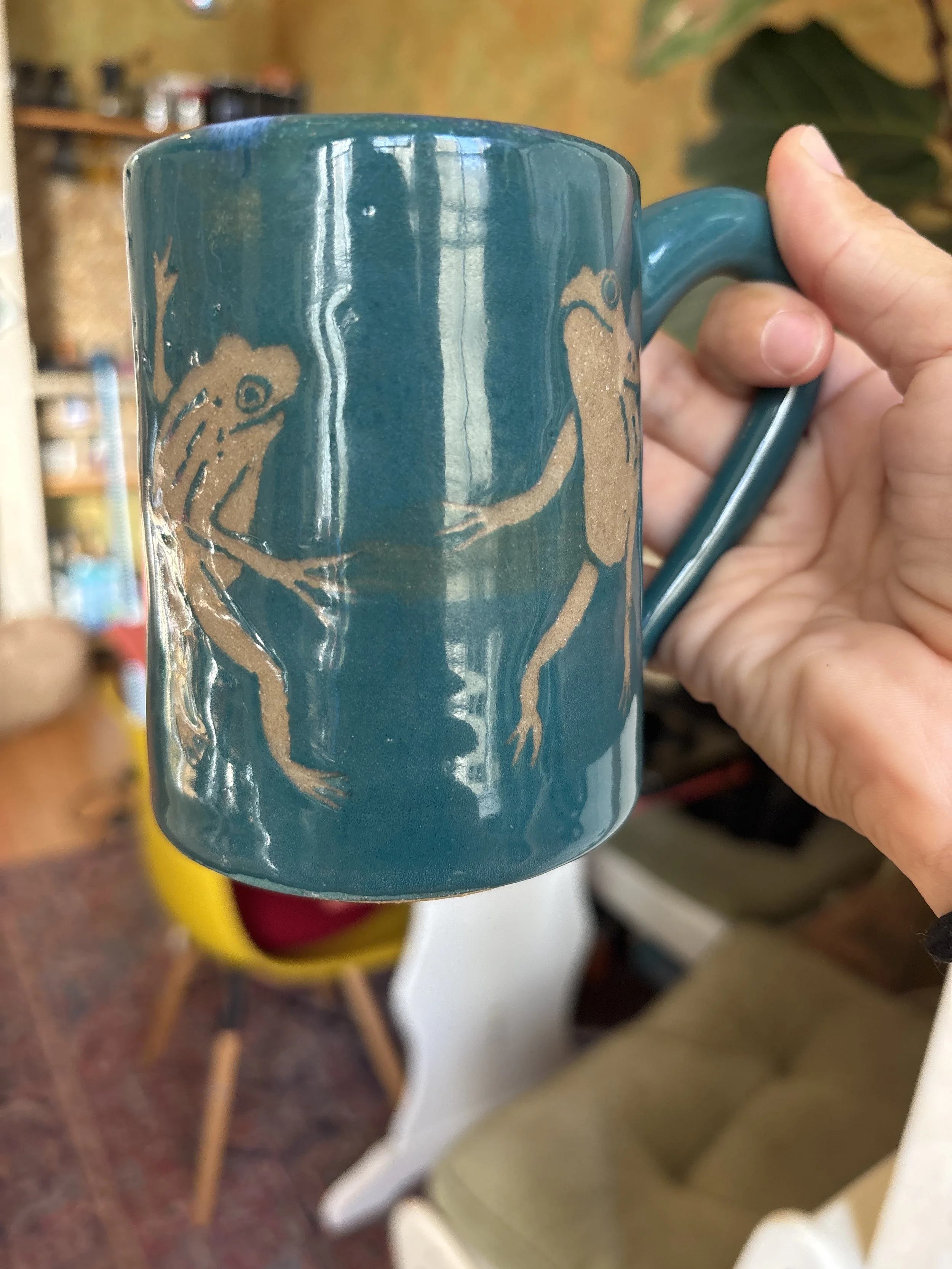
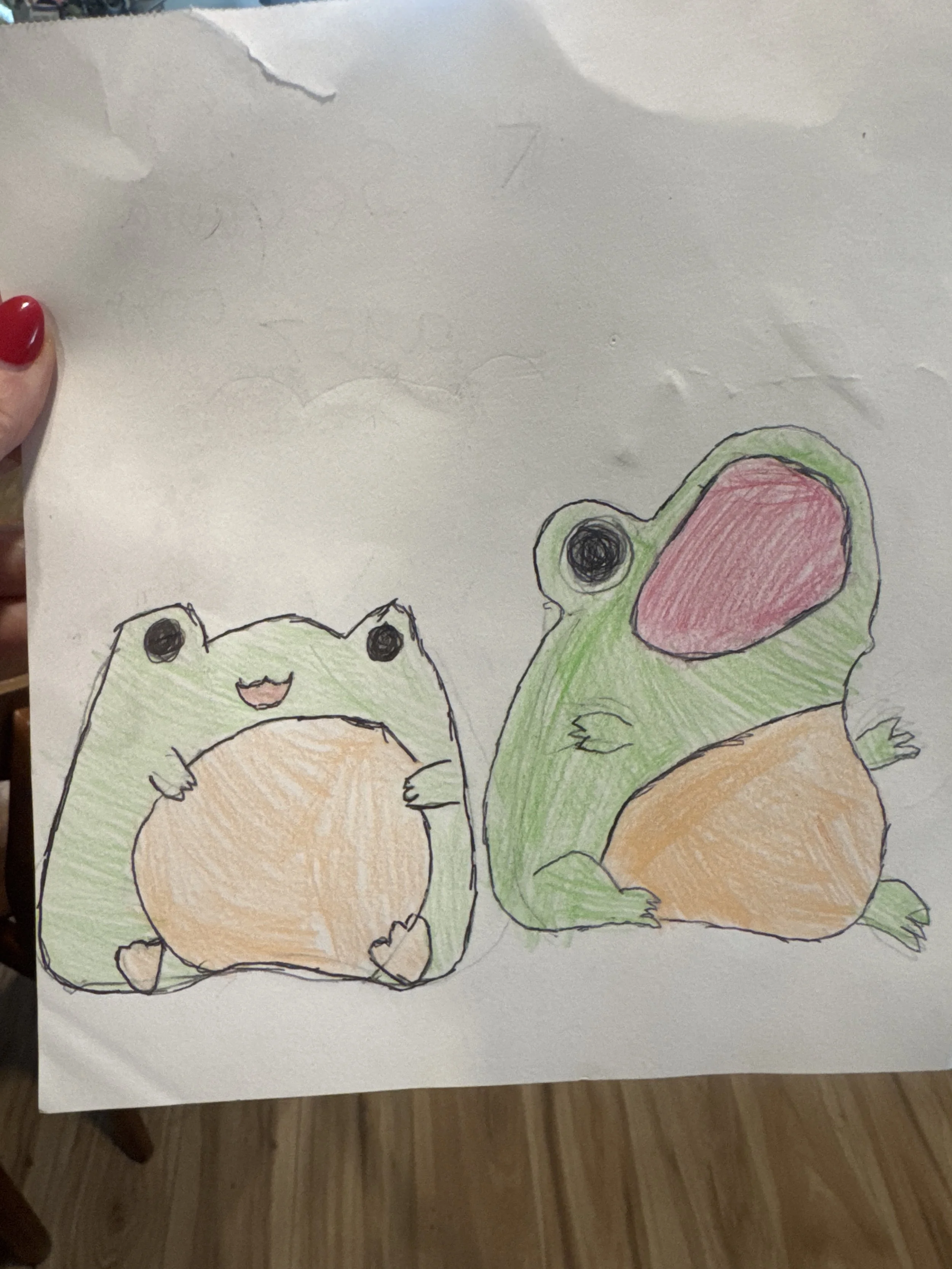
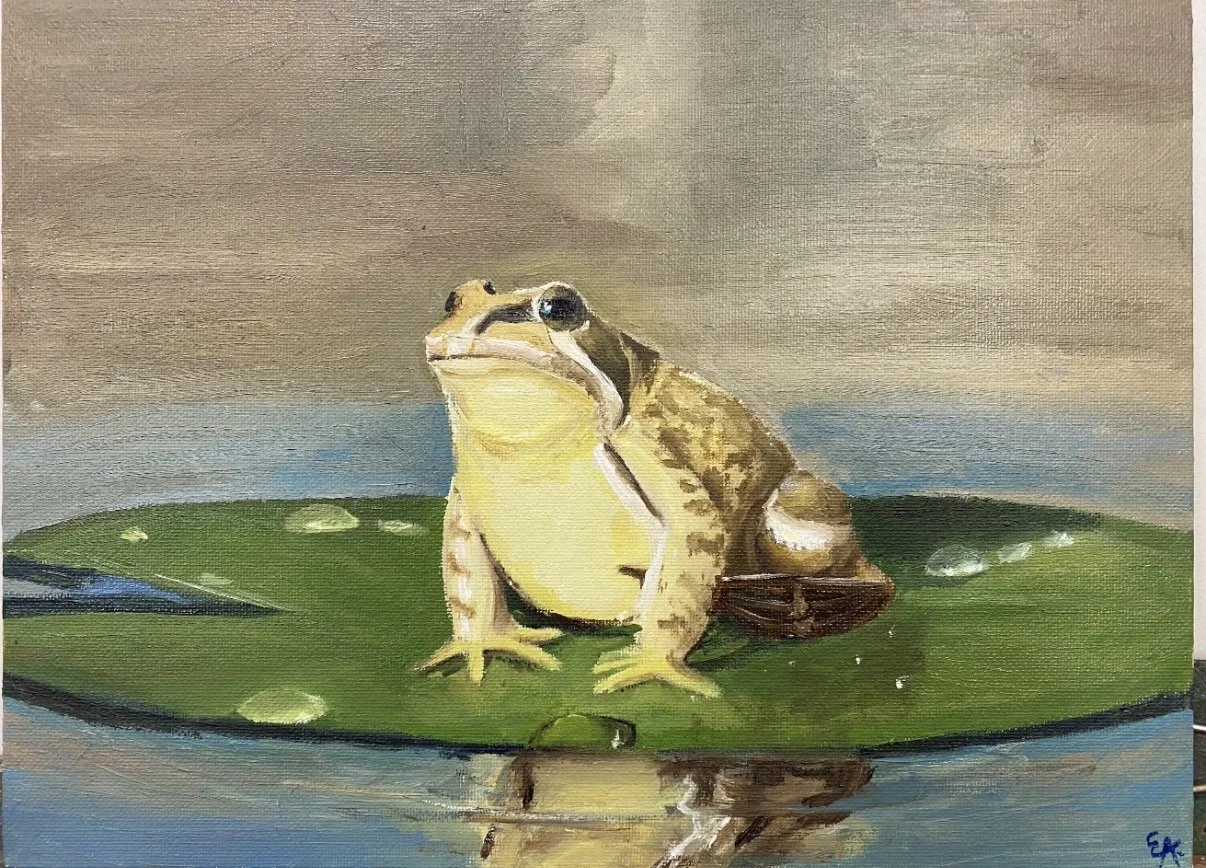
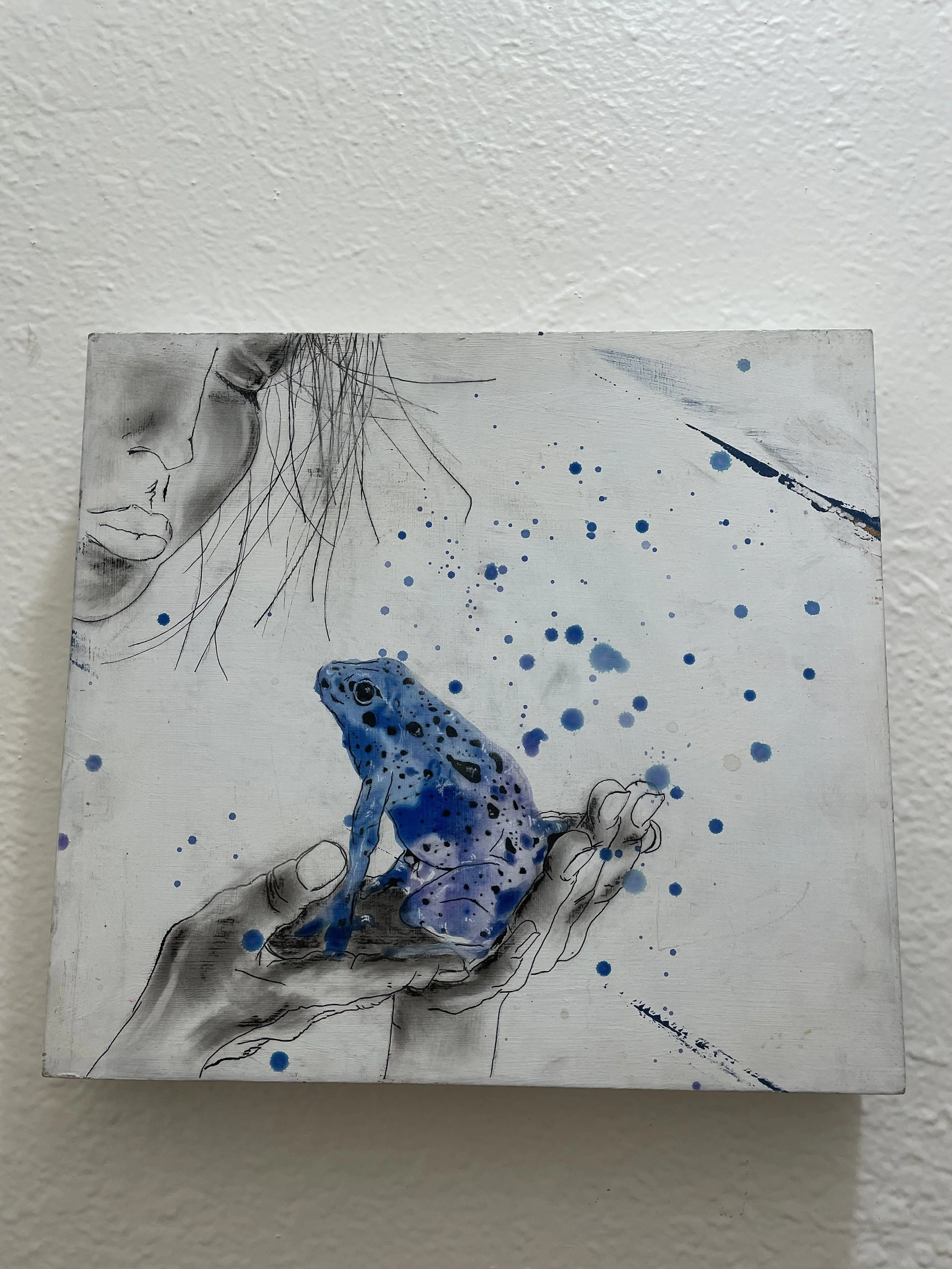
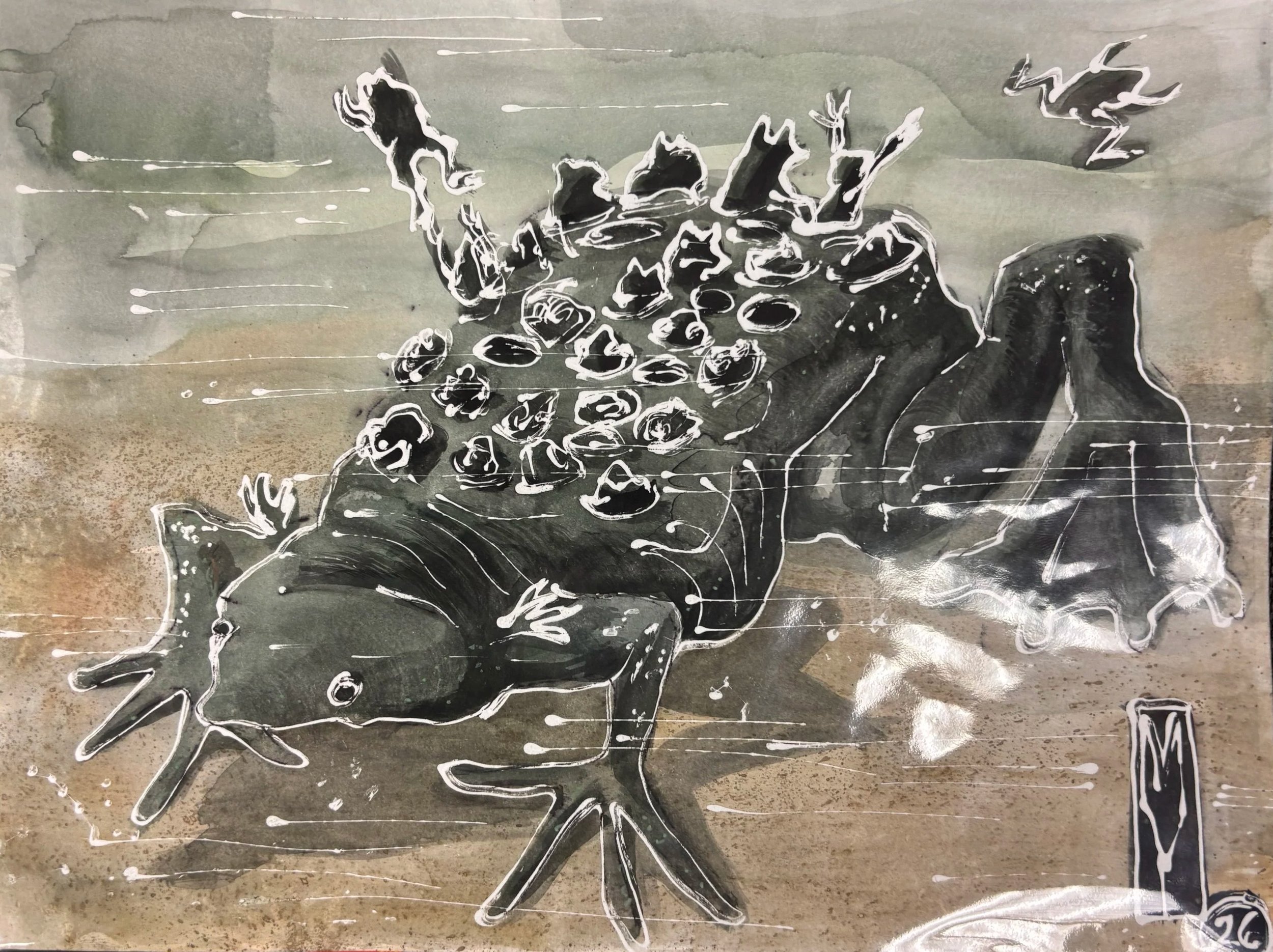
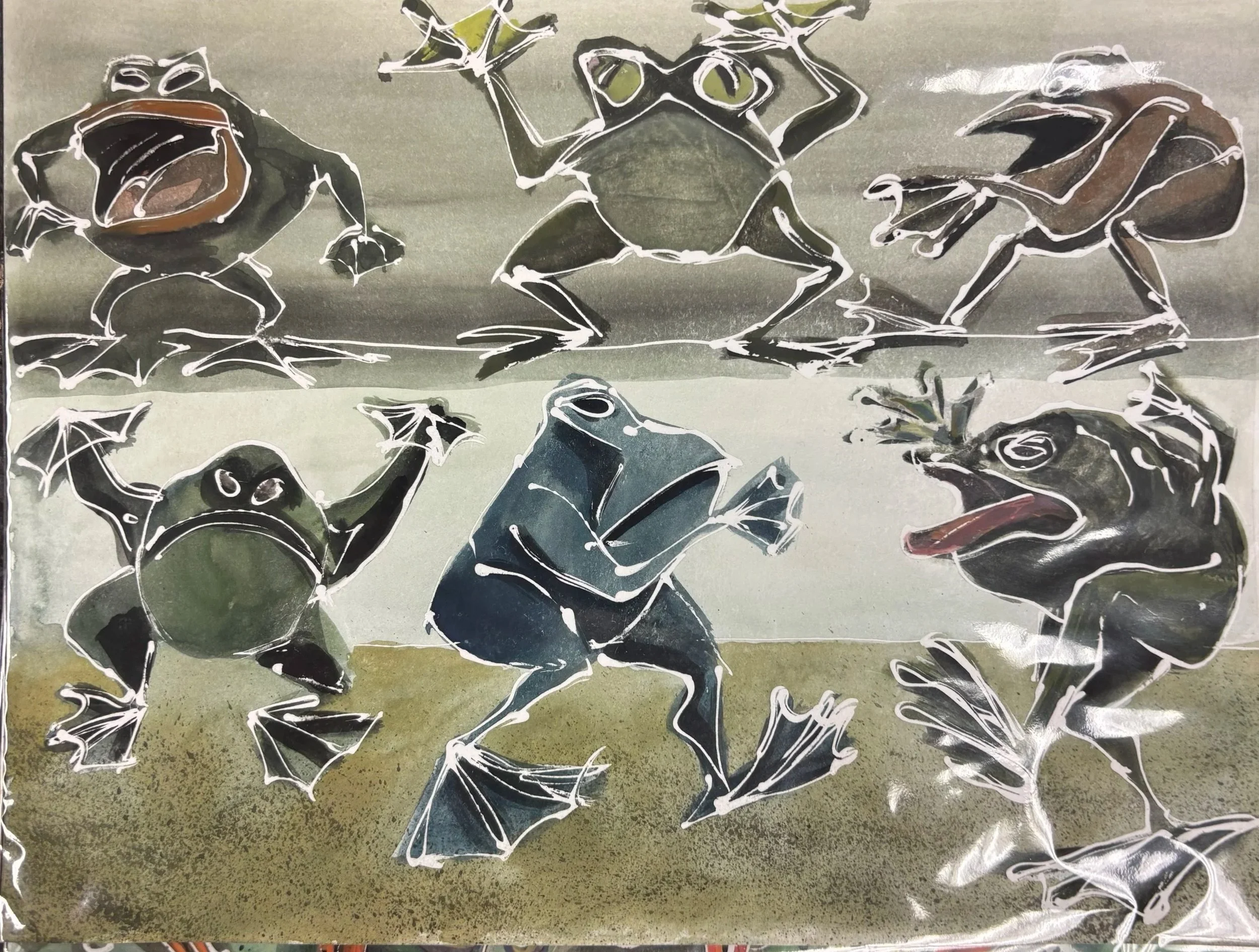
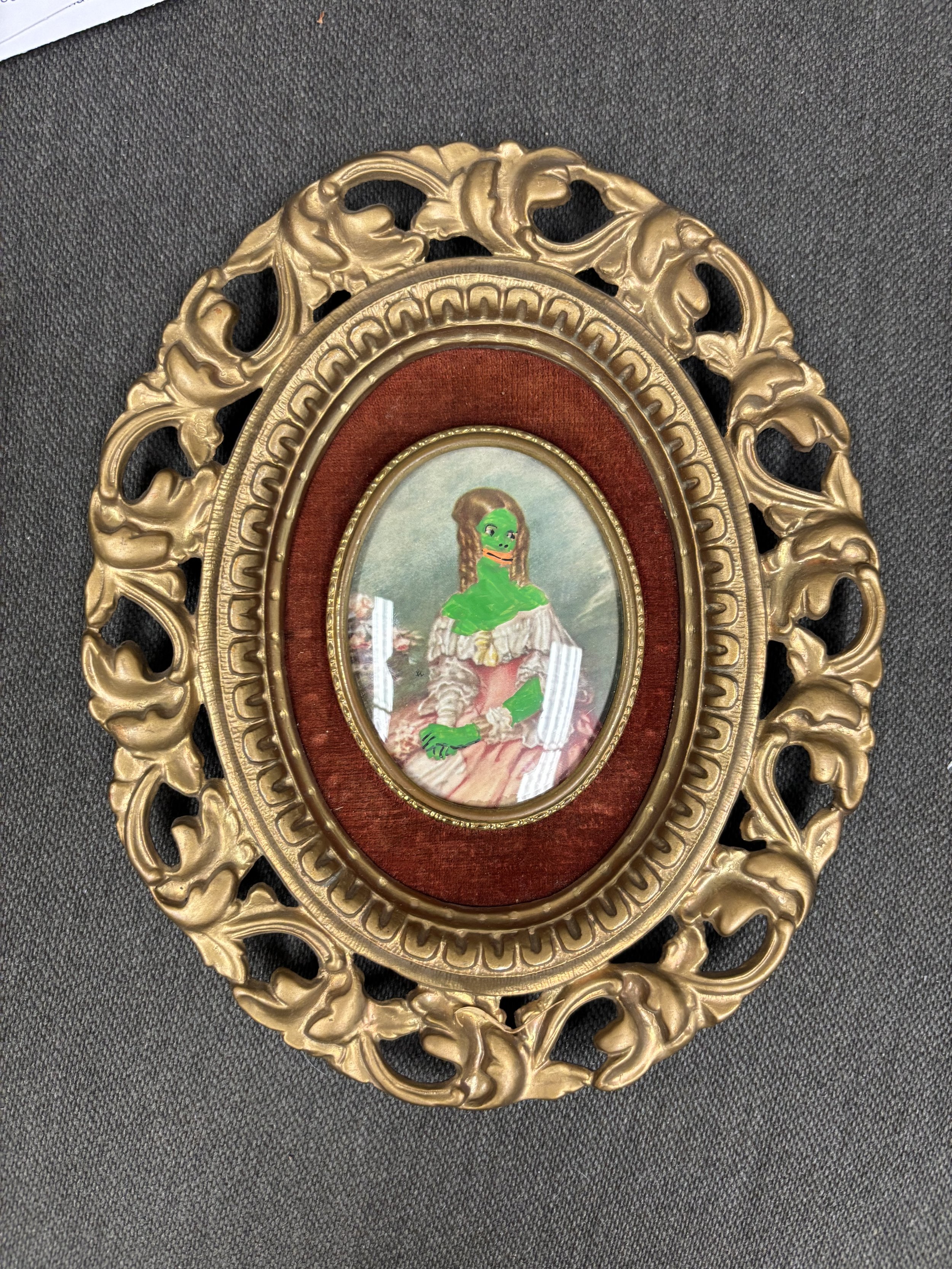
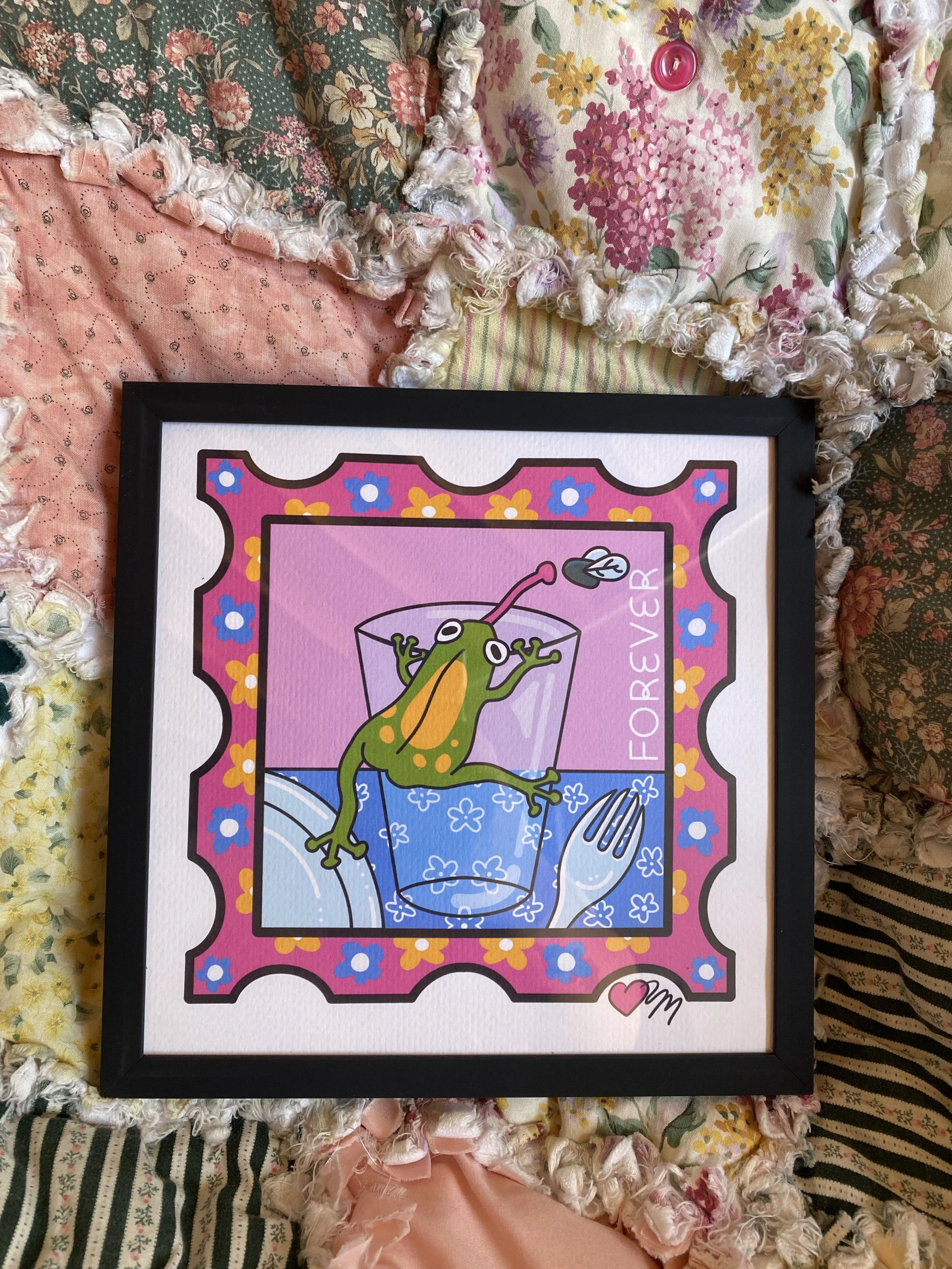
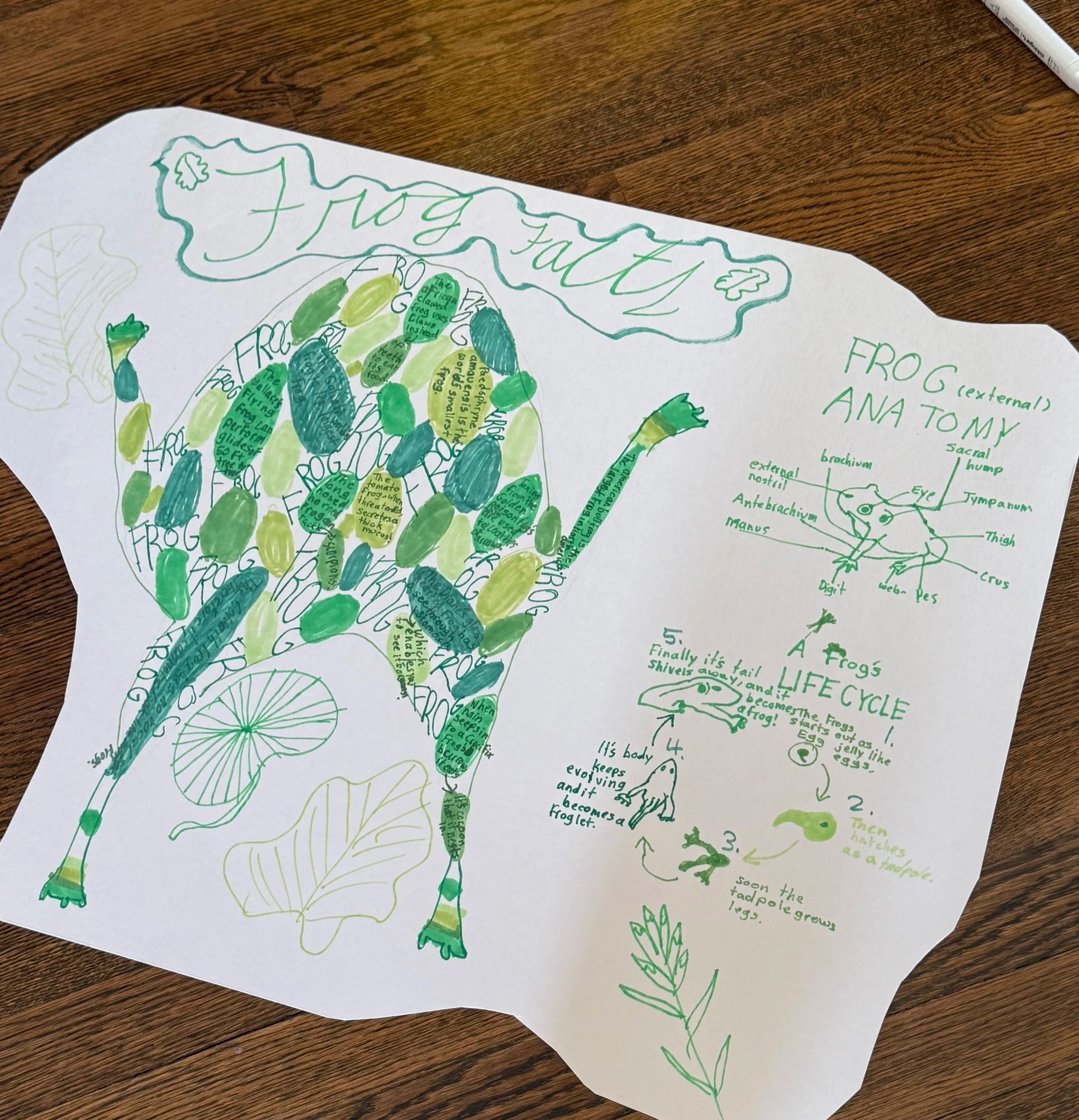
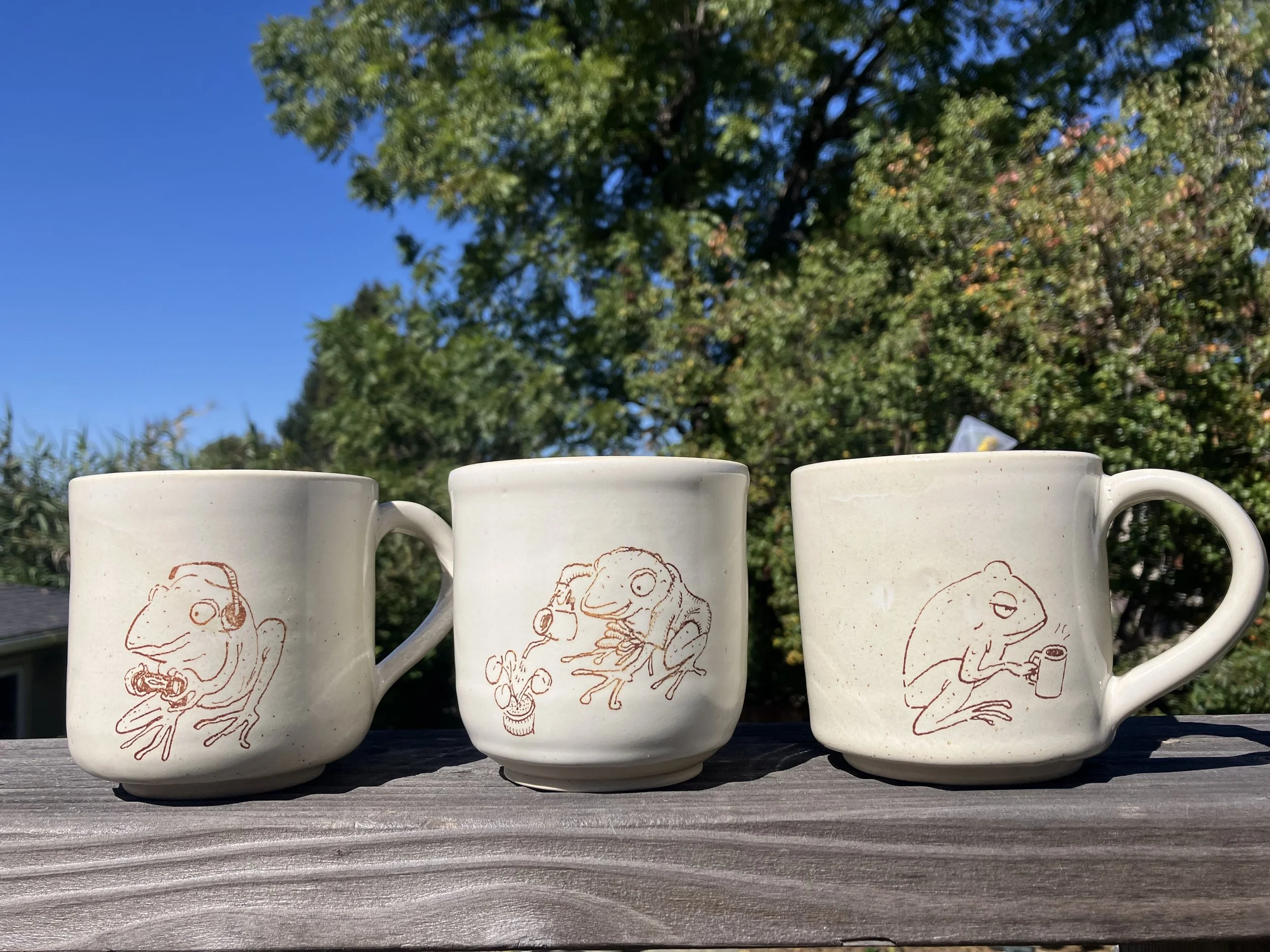
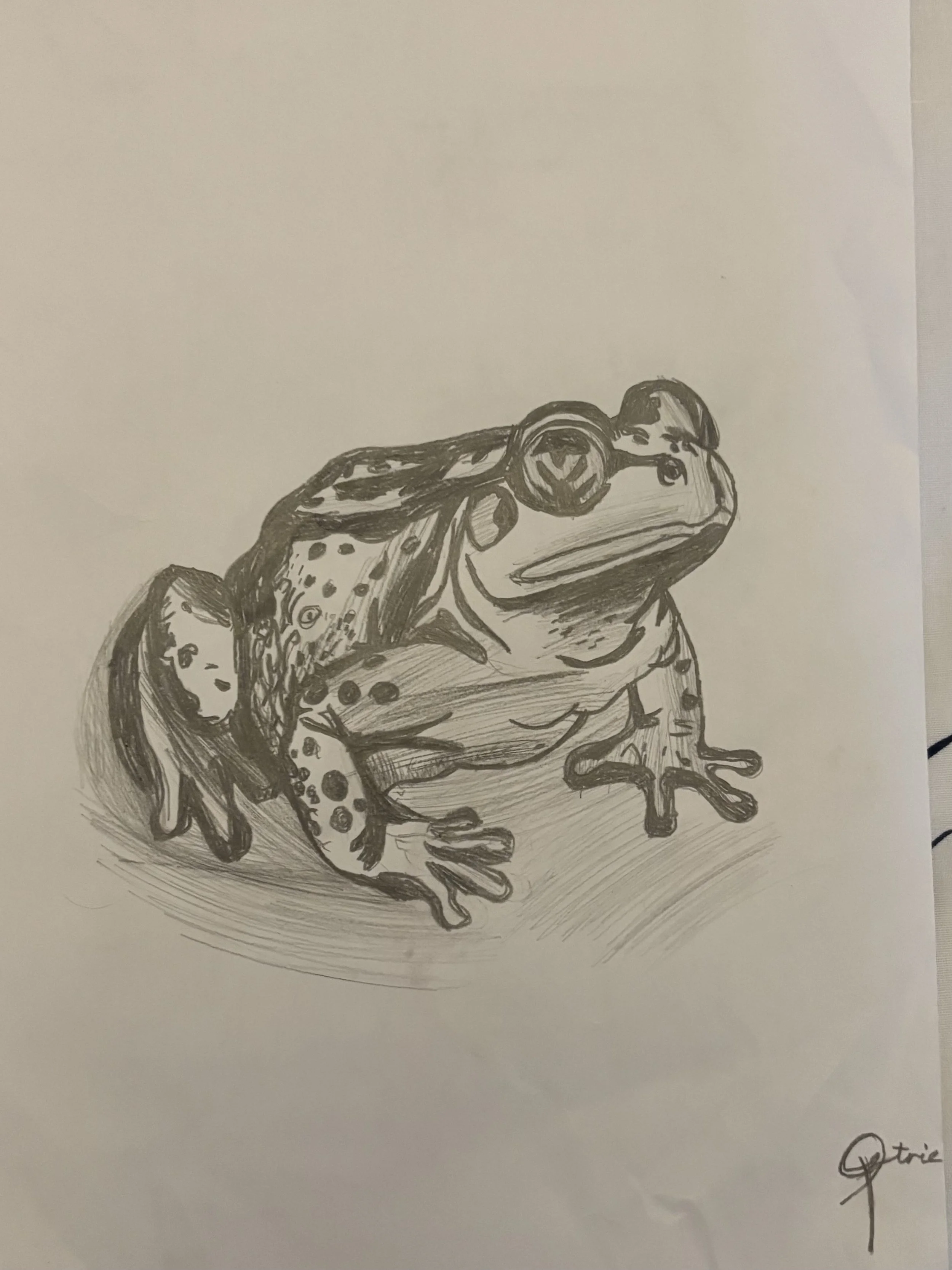
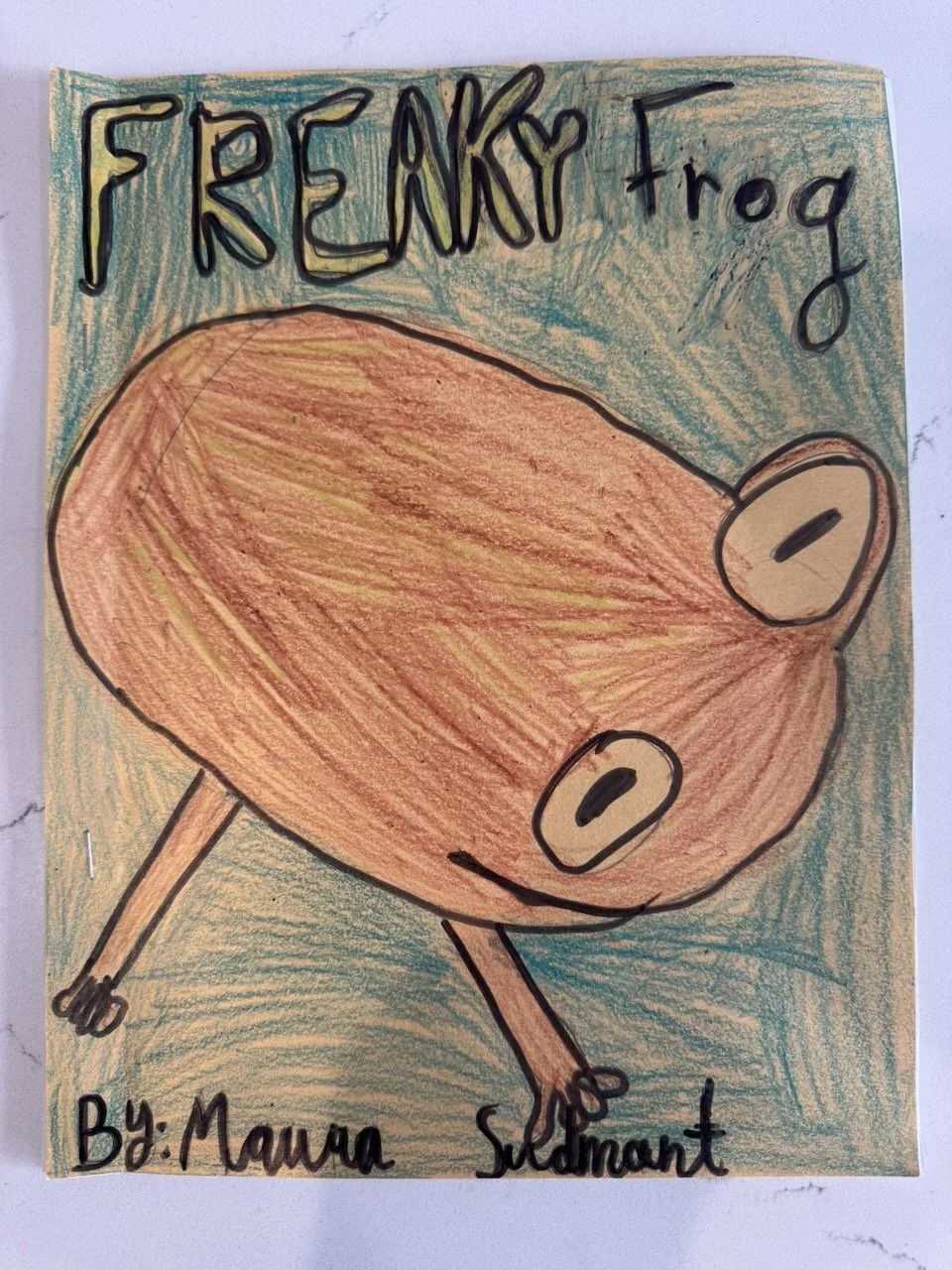
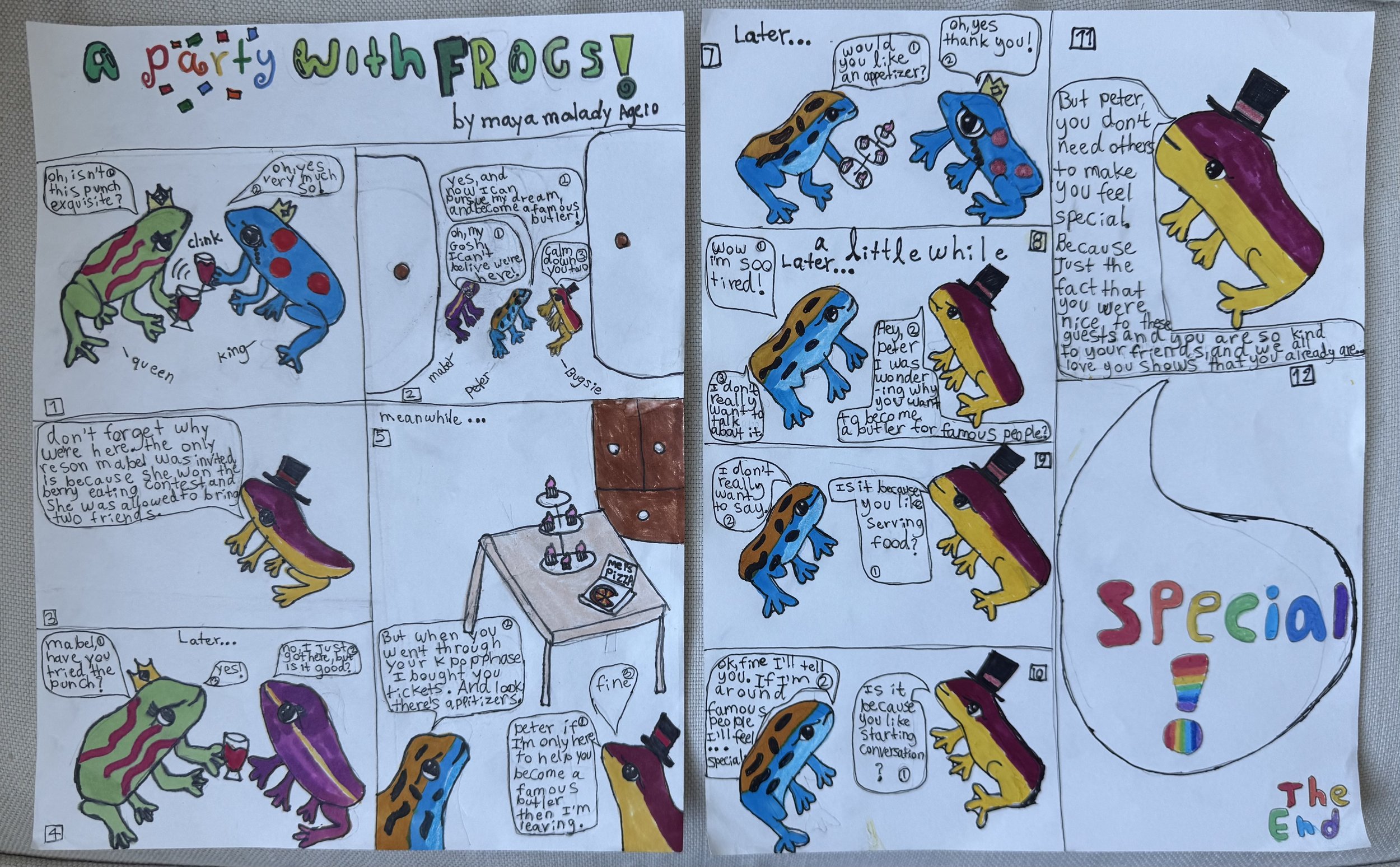
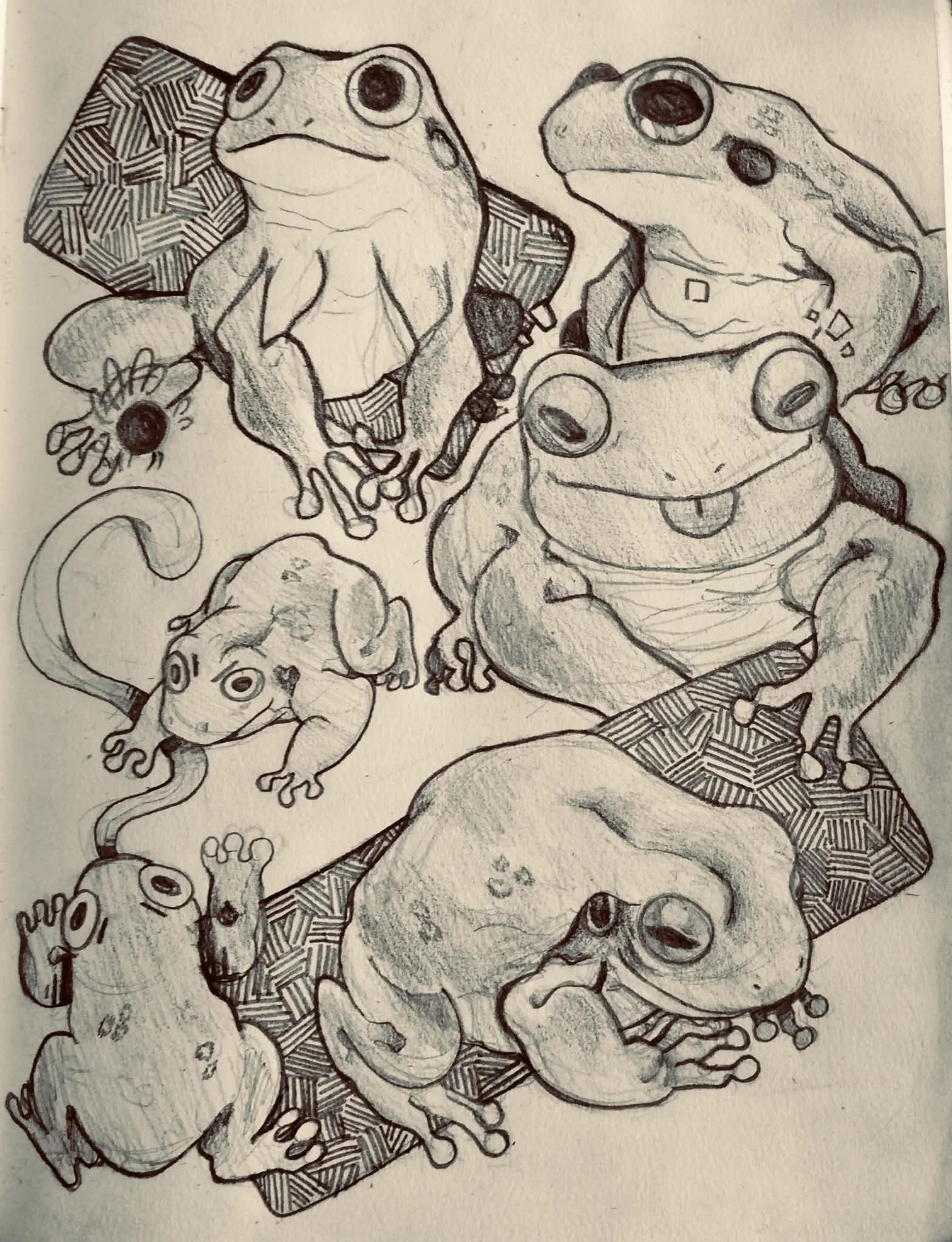
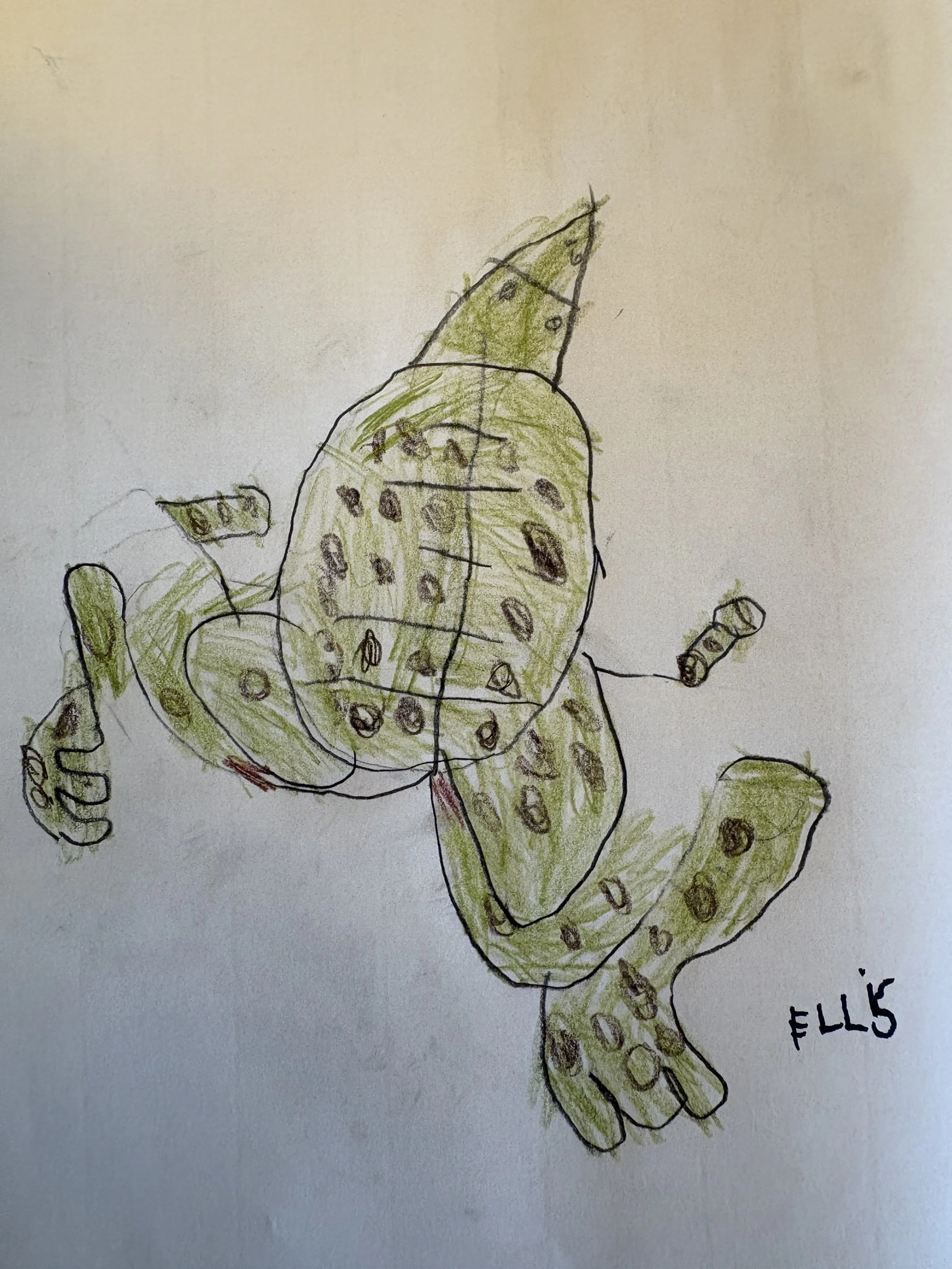
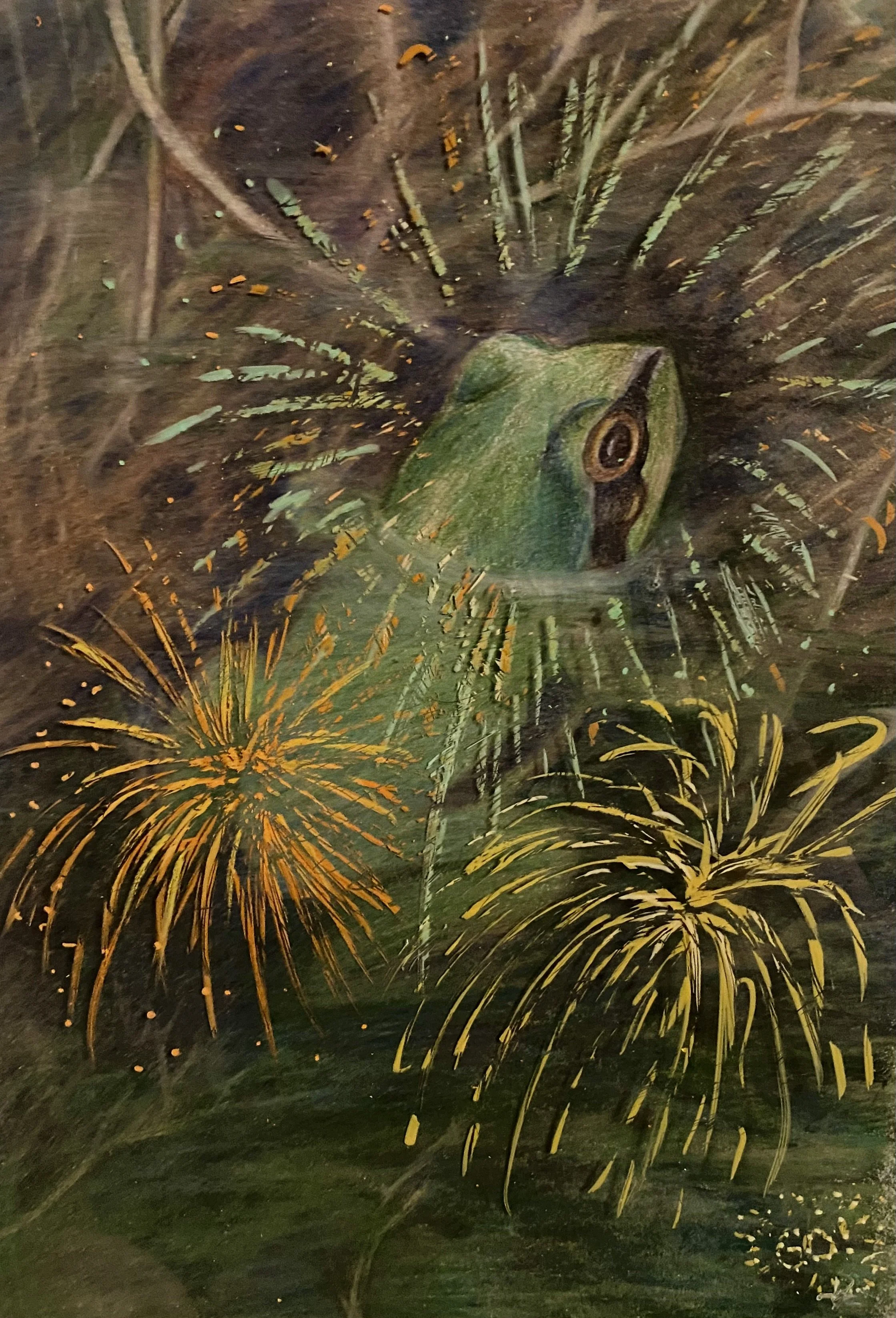
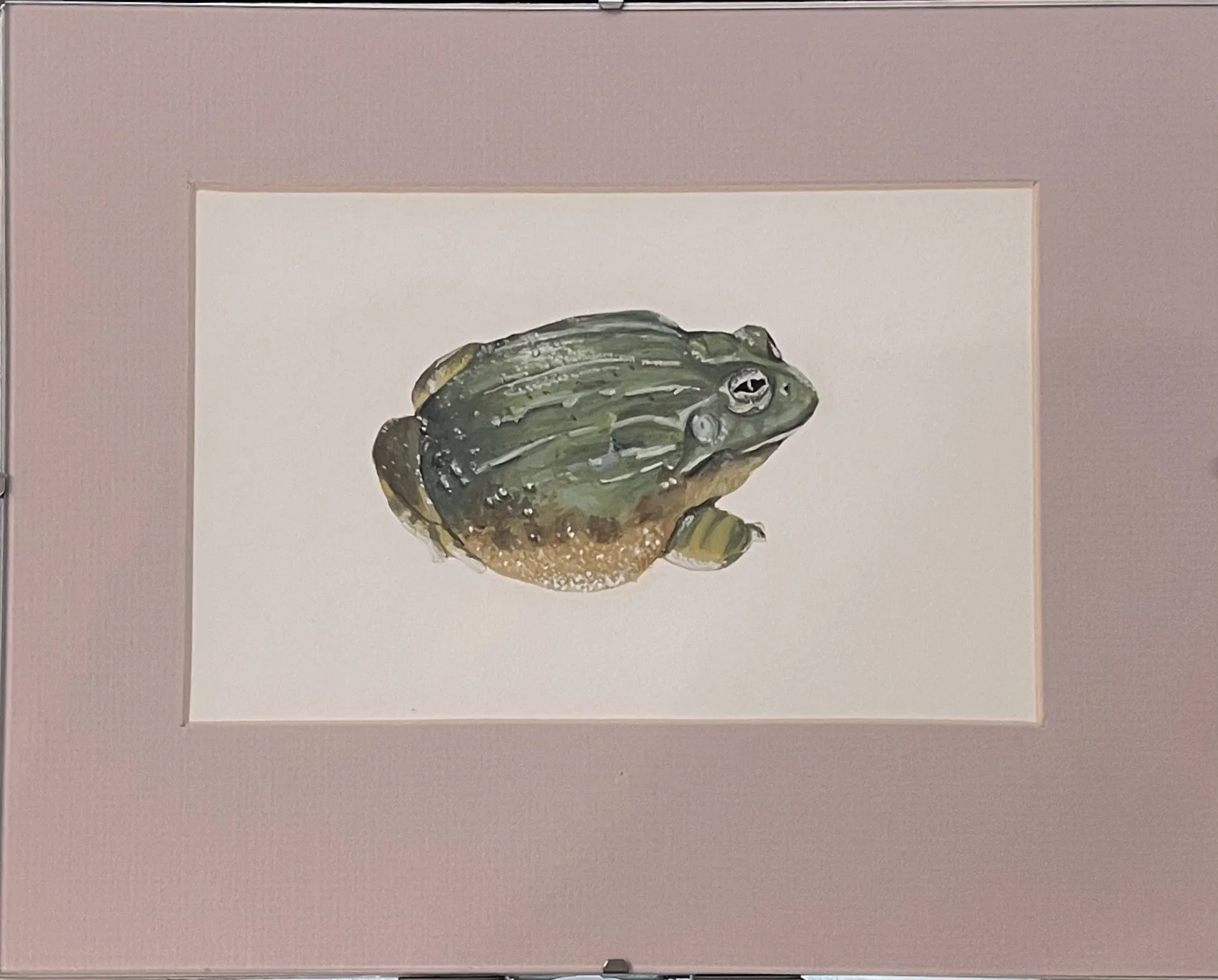
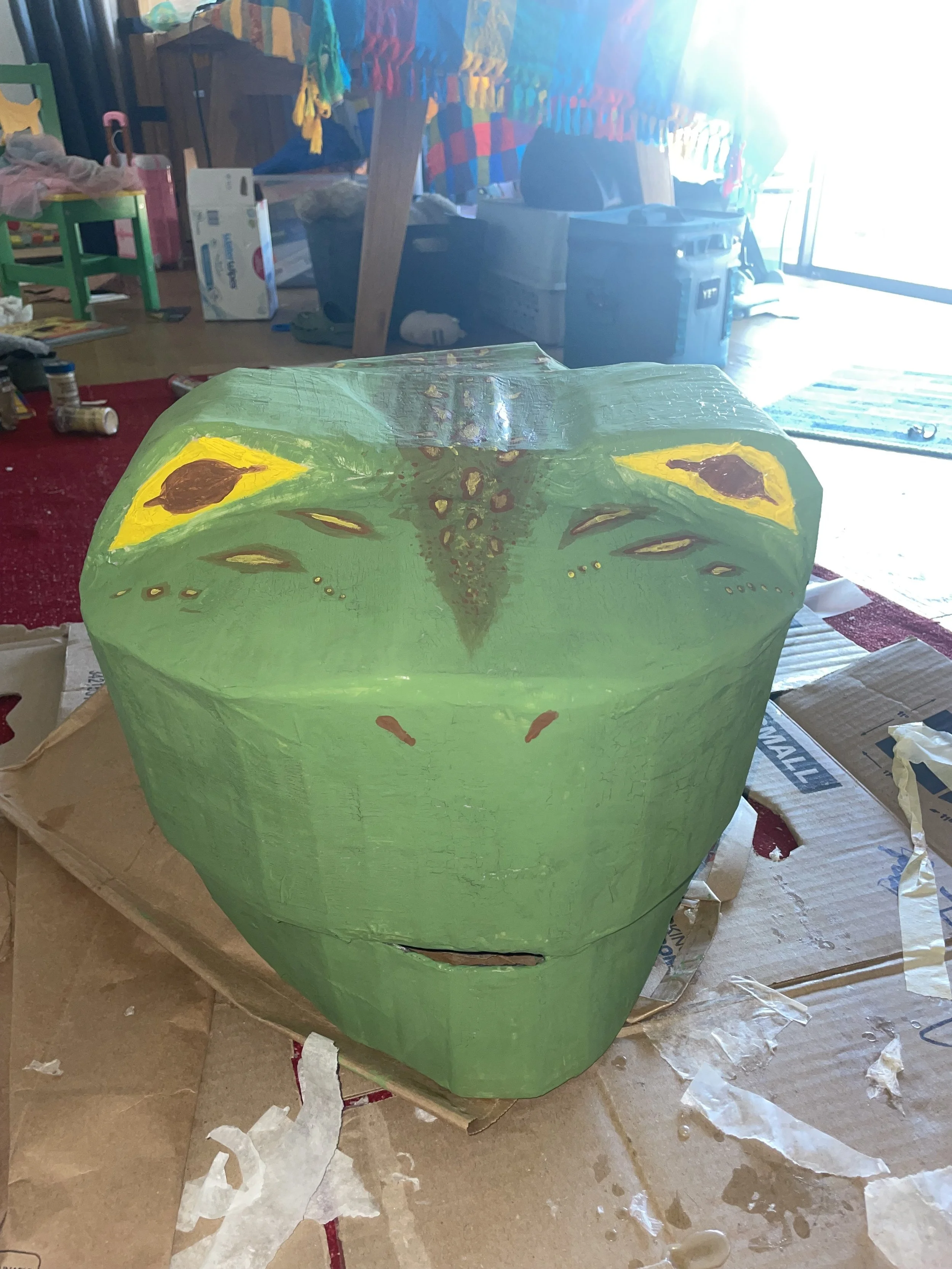
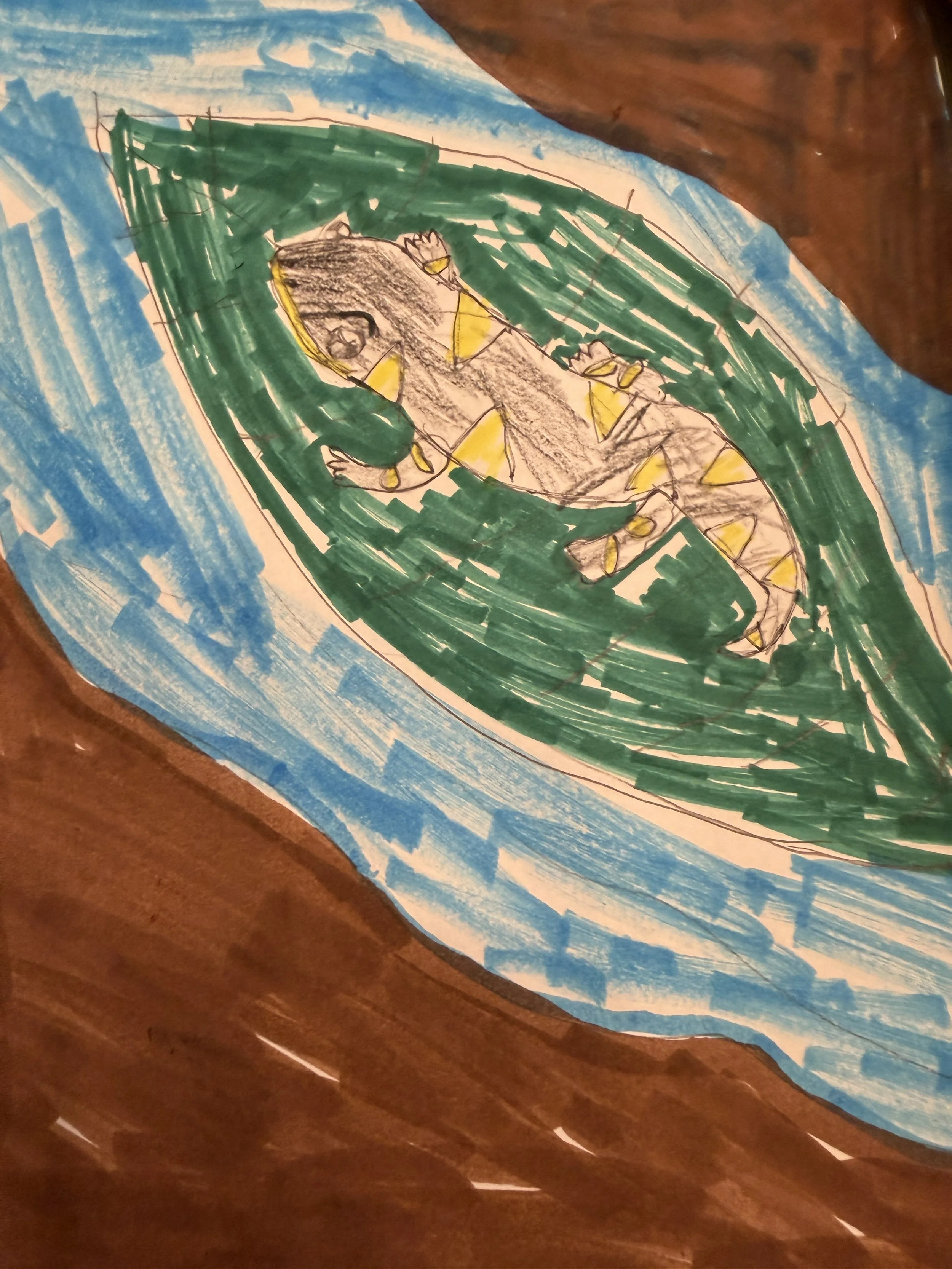
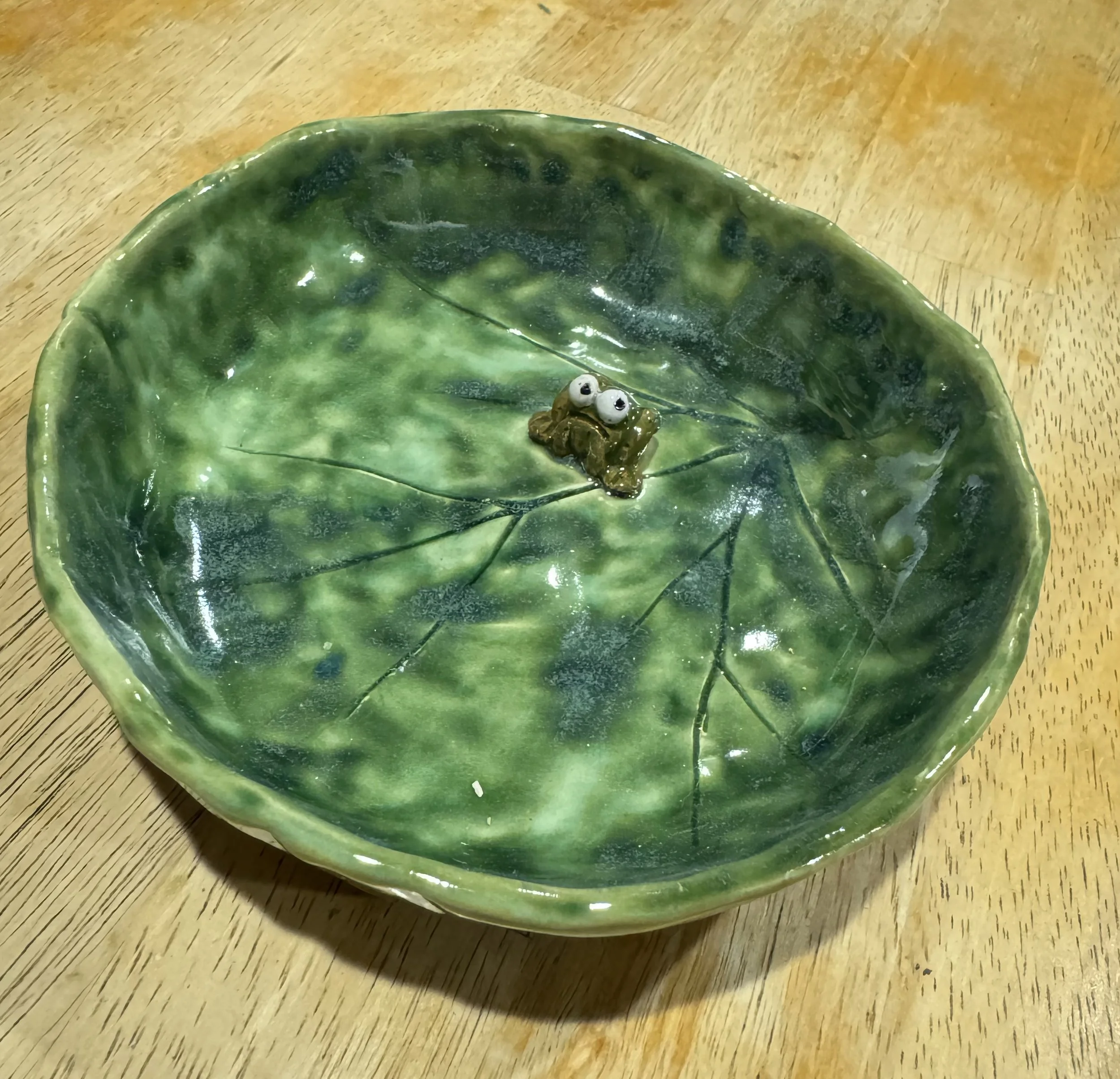
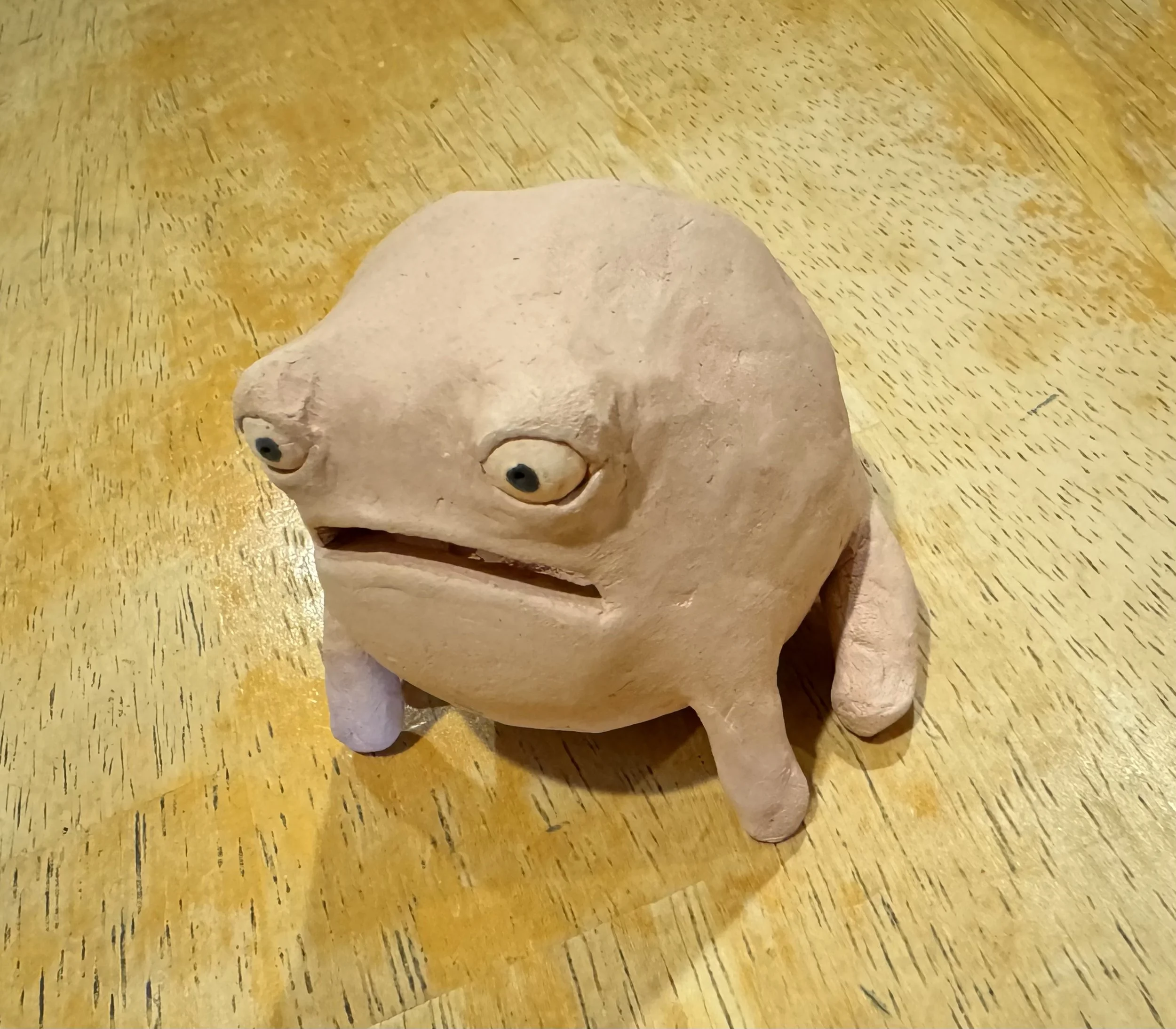
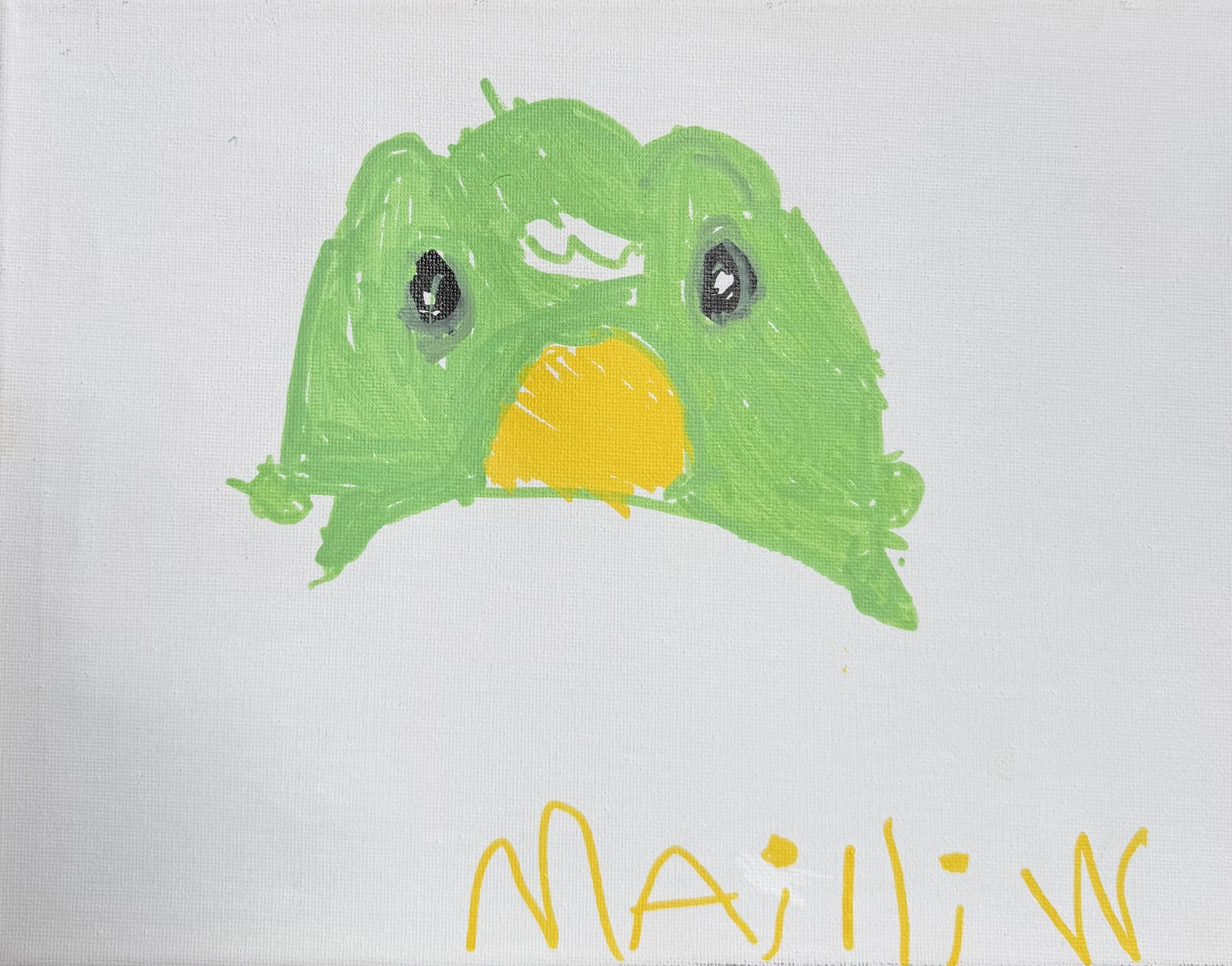
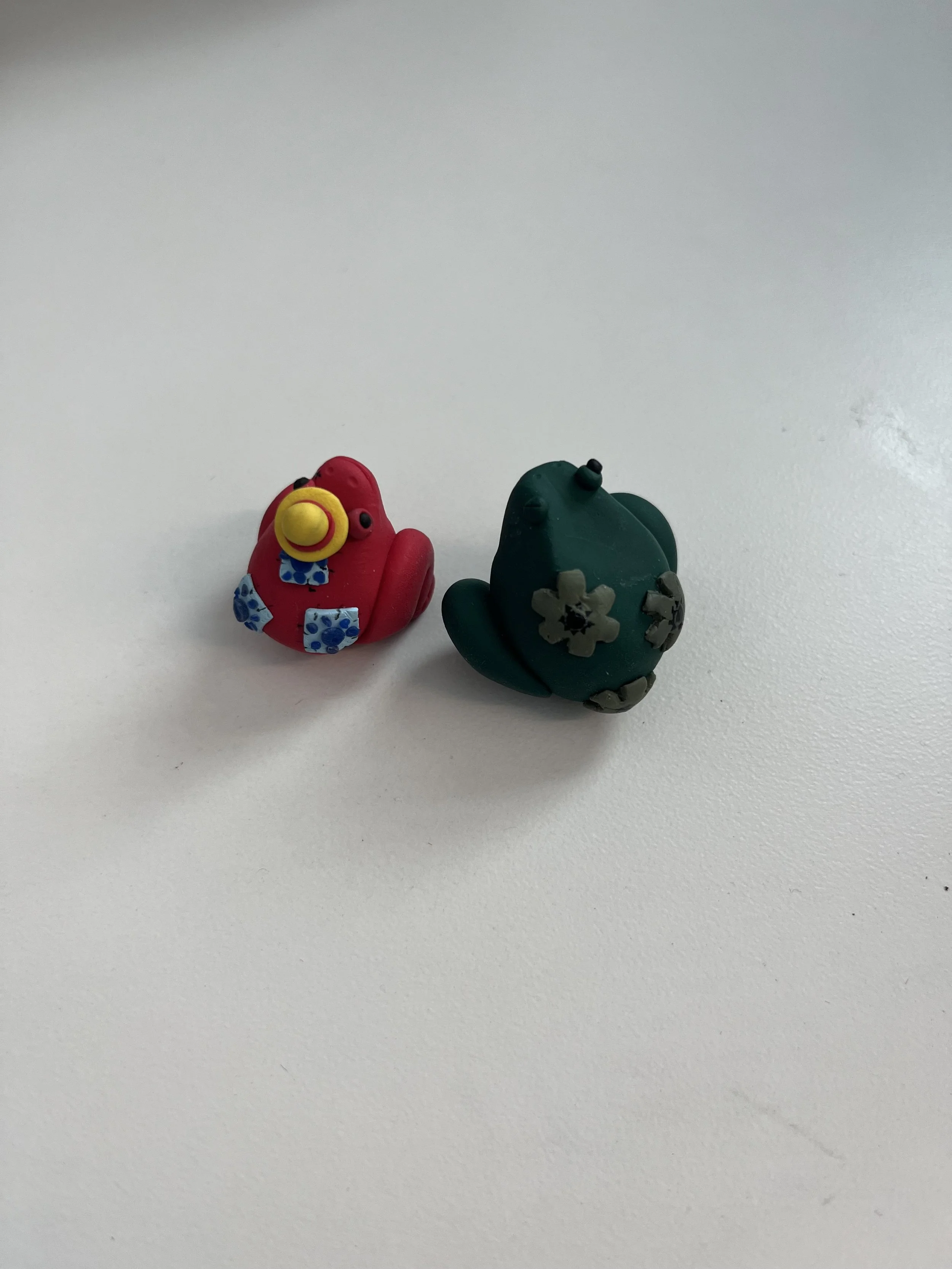
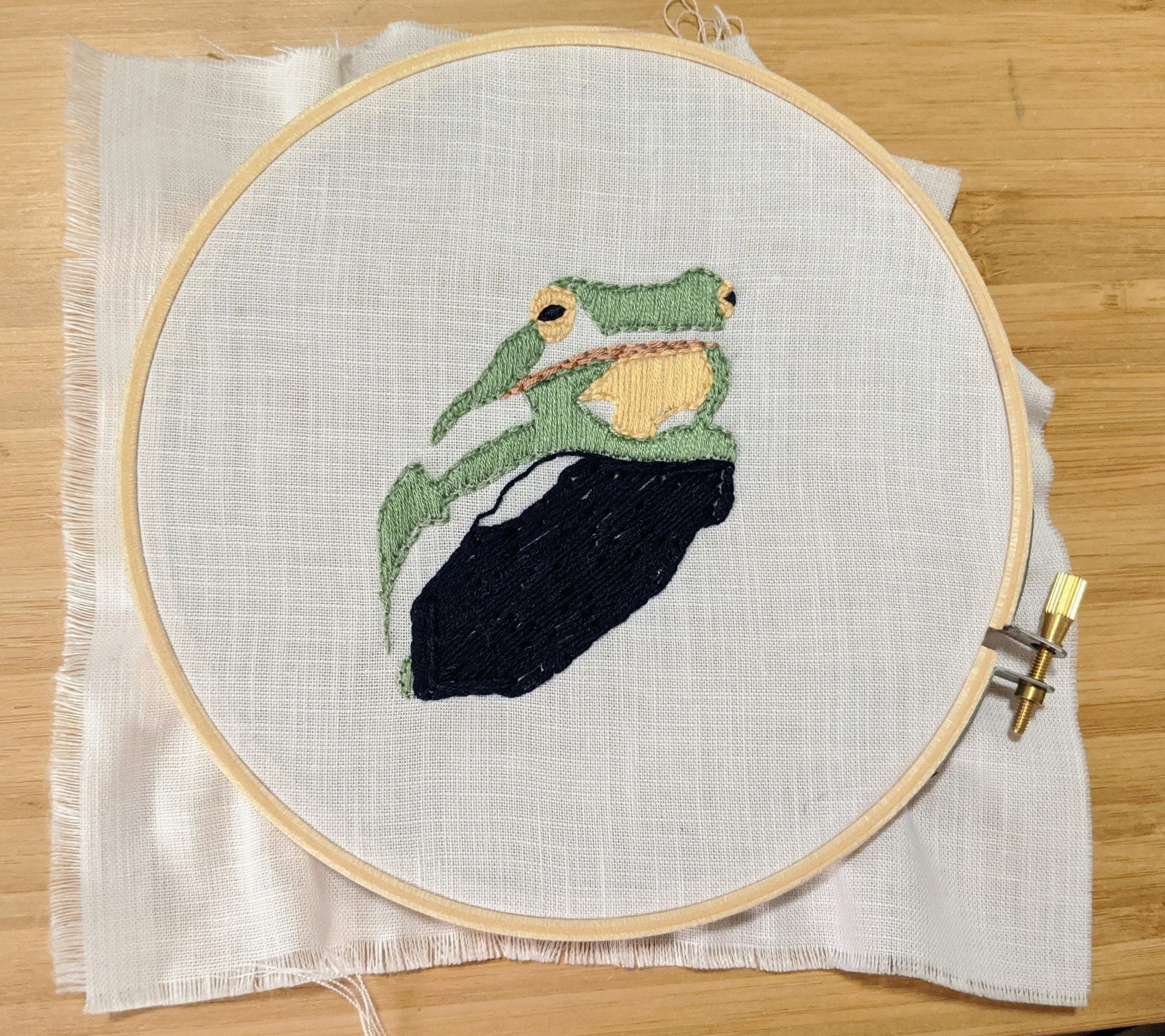
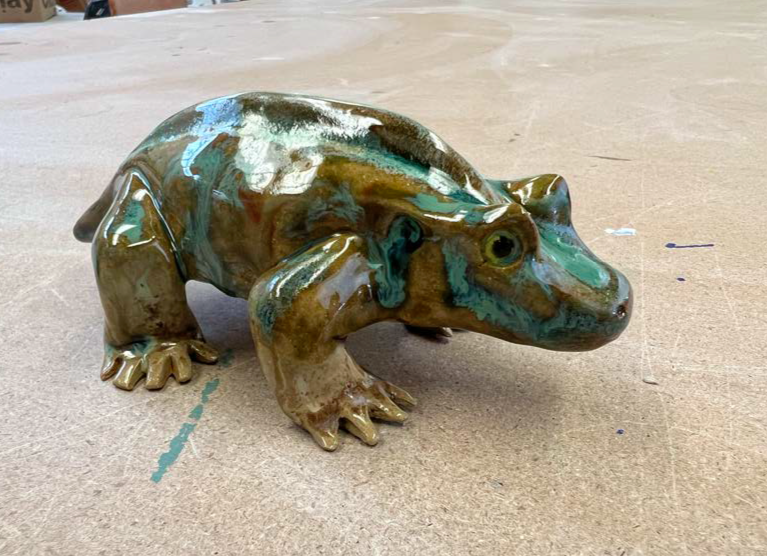
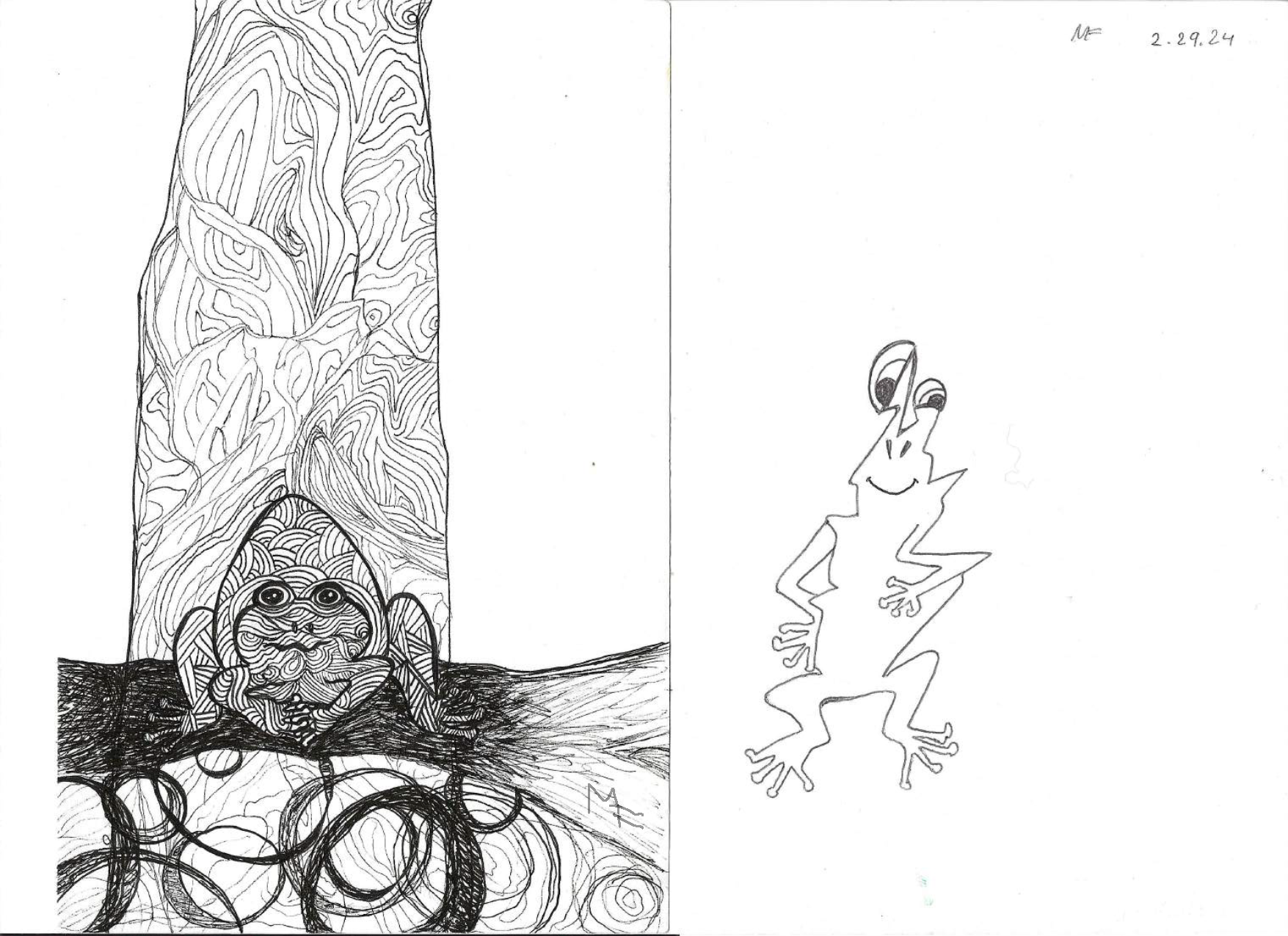
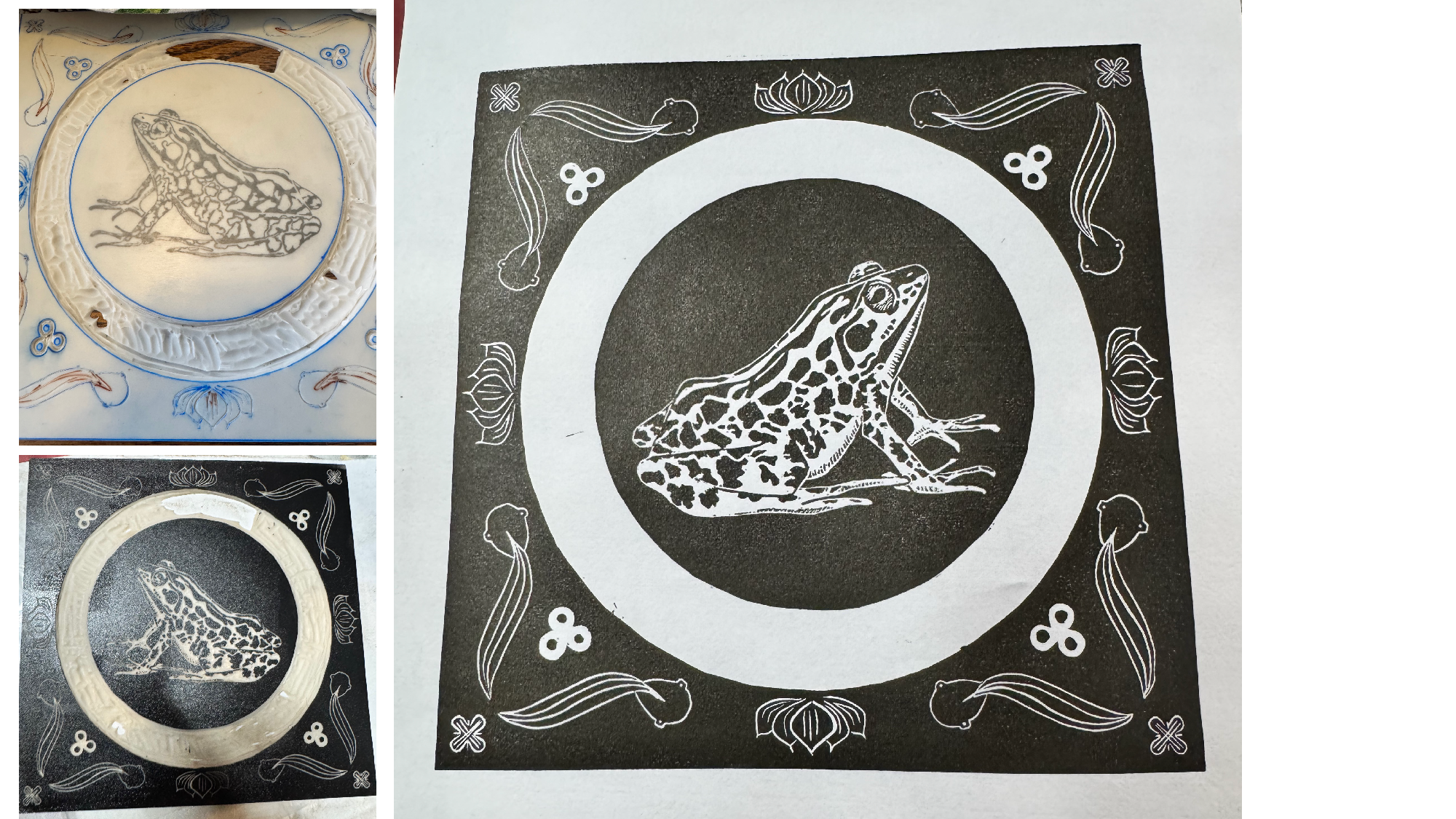
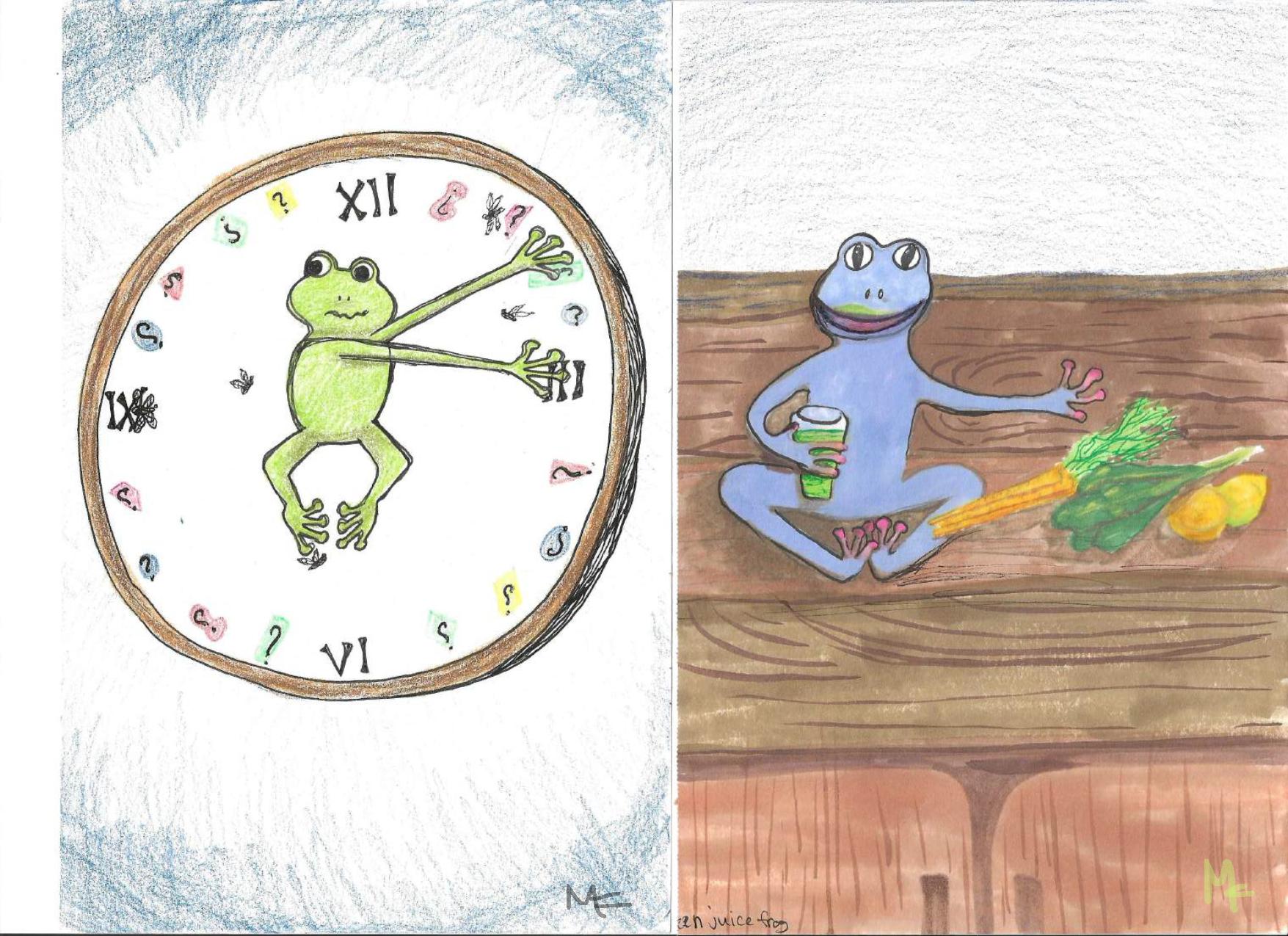
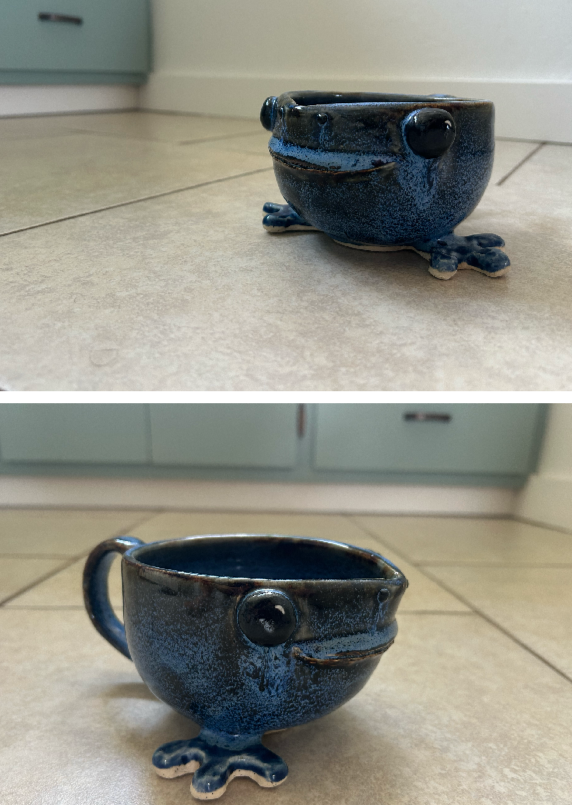
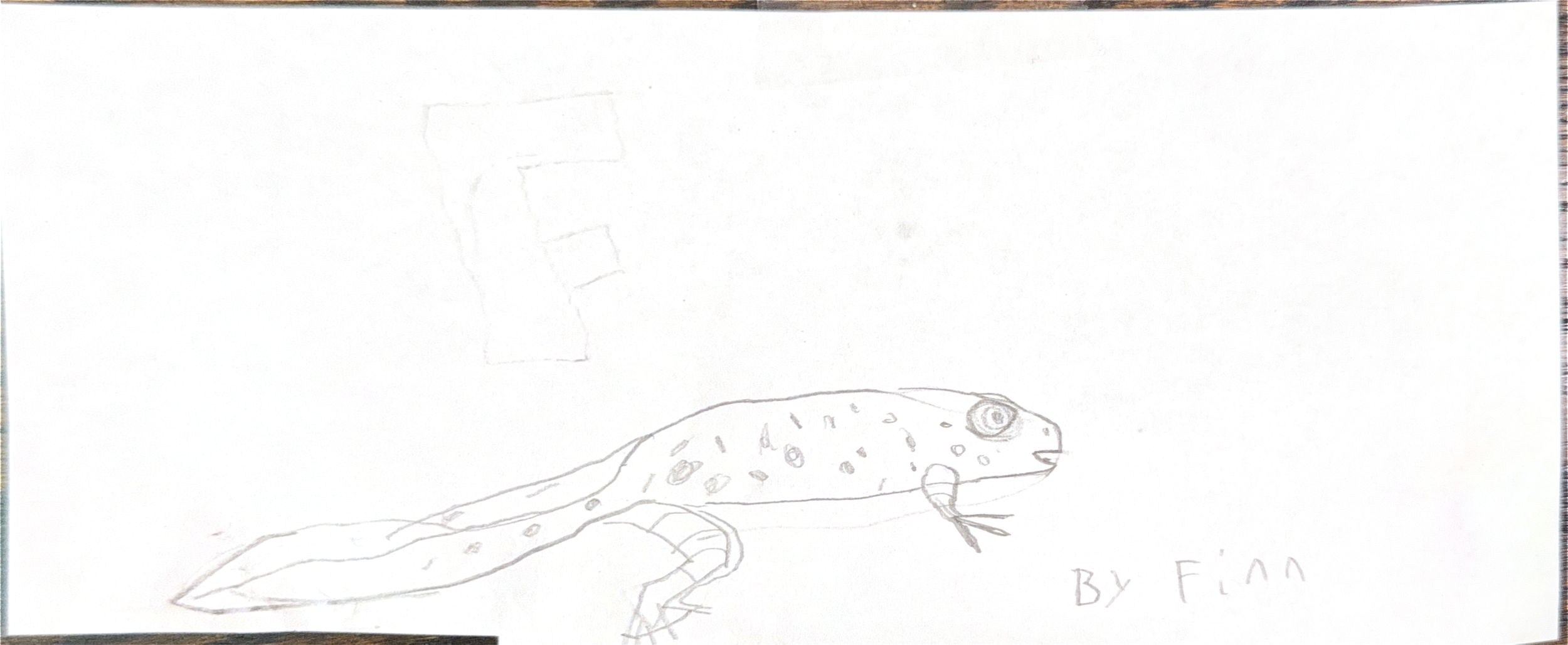
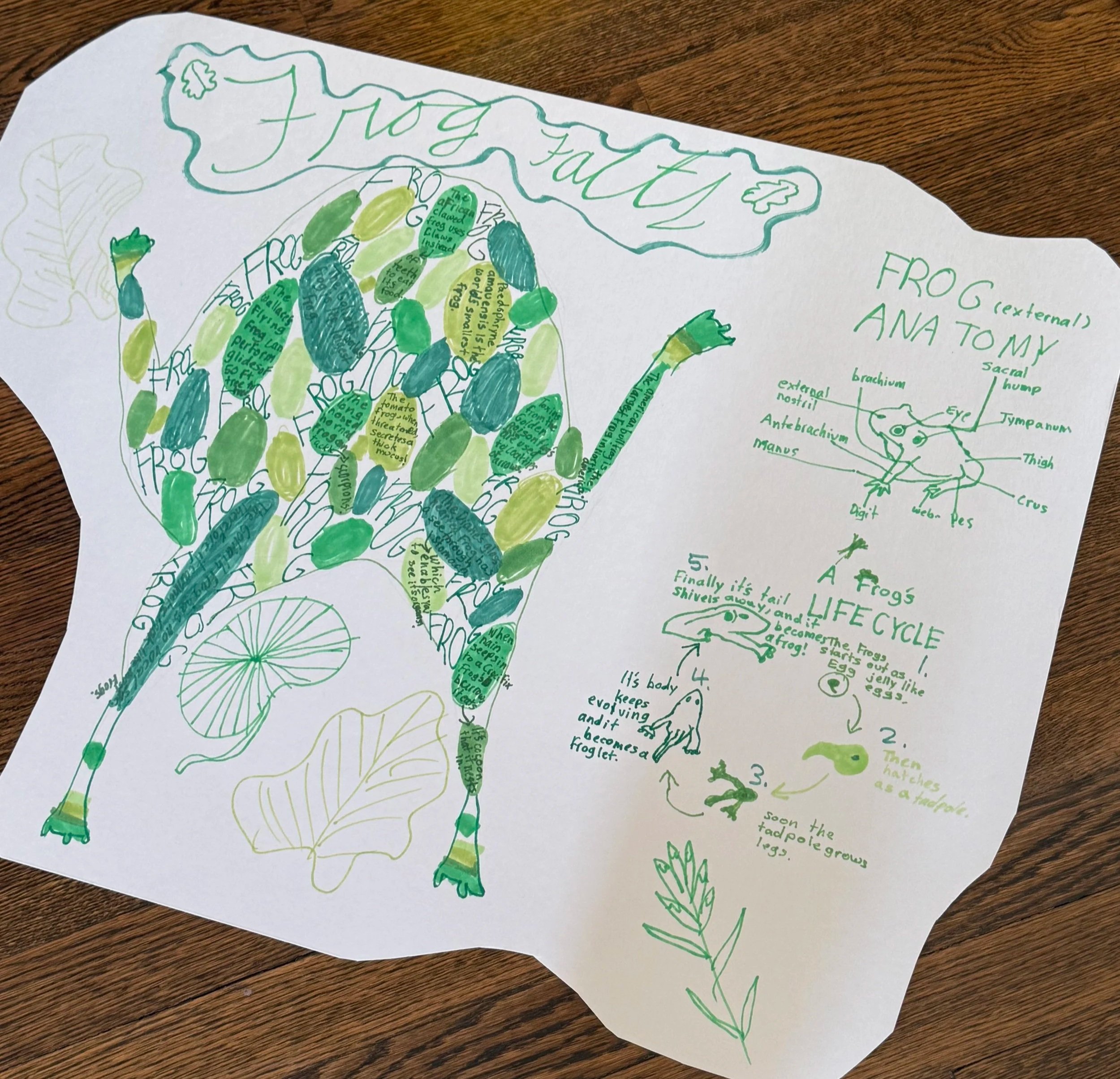
Frog fest will be facilitating an amphibian-inspired art competition. Any creative format is welcome! Think frog-themed theater performance! Electronic music sampling frog calls! Digital comic strips, educational posters, poetry, short stories, a sketch of a strange frog dreamscape, frog-themed mugs, mosaics, jewelry, etc.
In order to enter the competition and be considered for prizes:
Entries must be physically delivered to the Museum of Vertebrate Zoology or sent via email to Becca Tarvin (rdtarvin@berkeley.edu) by 11:59pm on August 27, or brought directly to Berkeley Frog Fest between 12:30 pm and 1:15 pm on August 29.
Along with your creative work, please include
a 1-4 sentence explanation of your artwork’s relevance to frogs and/or amphibians
the artist’s name(s), age(s), and phone number(s)
Please advise Becca Tarvin in advance if displaying your art will require additional support, tech or otherwise.
Art prizes
Adult and kid (<13 yo) entries will be judged separately.
Prize categories:
Weirdest
Most educational
Most frog
Prizes:
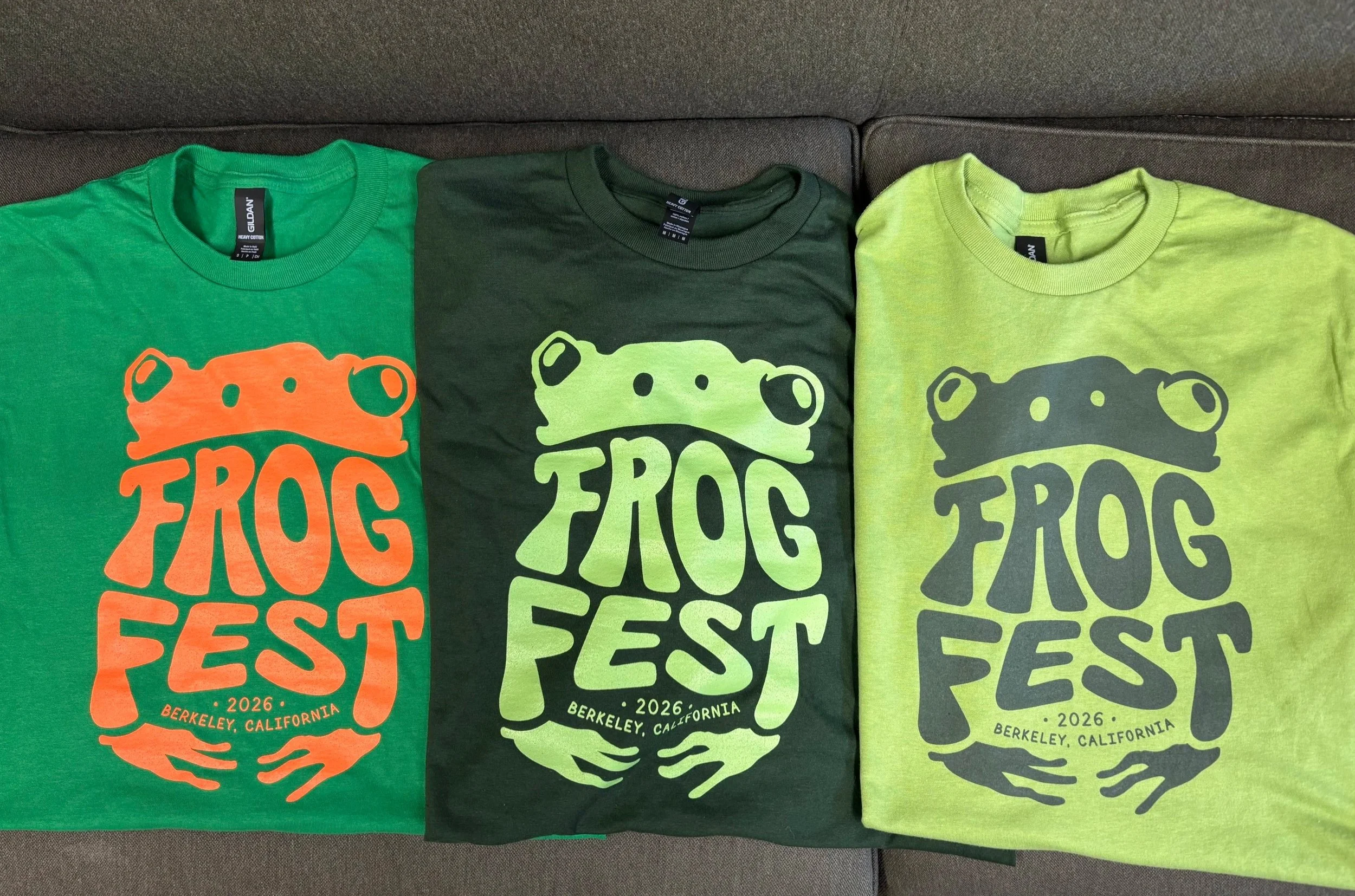
Berkeley Frog Fest merch
Gift cards to local shops and restaurants
Frog and Toad books
More TBA…
Where can you find more information about frogs?
OMG I’m so glad you asked! Here’s a quick 101 on frogs and their relatives, the amphibians.
Amphibians are ectotherms with moist, permeable skin.
Adults are independent of water, but most larvae are not.
Linnaeus defined class Amphibia (“dual life”) in 1758 as all vertebrates except mammals, birds, and bony fish
Eventually amphibians and reptiles were separated, but “herpetology” (the study of creeping things) persists. “Herpes” has the same root - “a creeping cutaneous eruption”
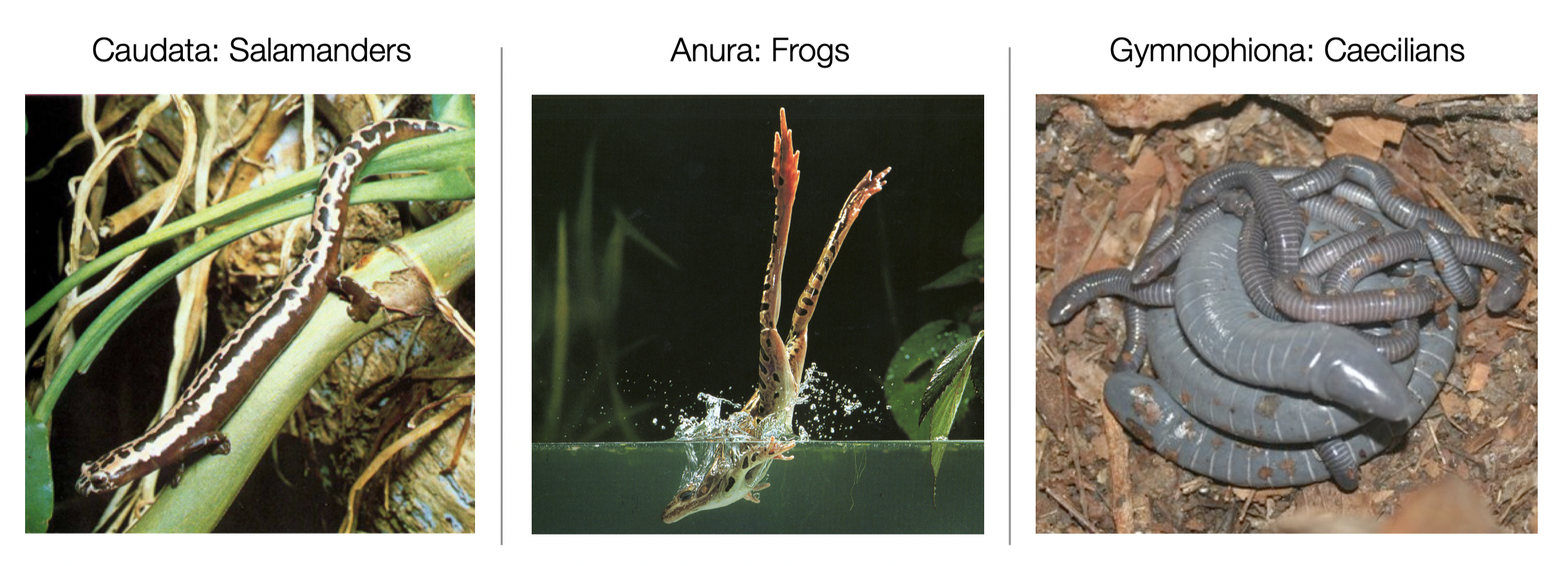
There are three orders of amphibians: salamanders, frogs, and caecilians
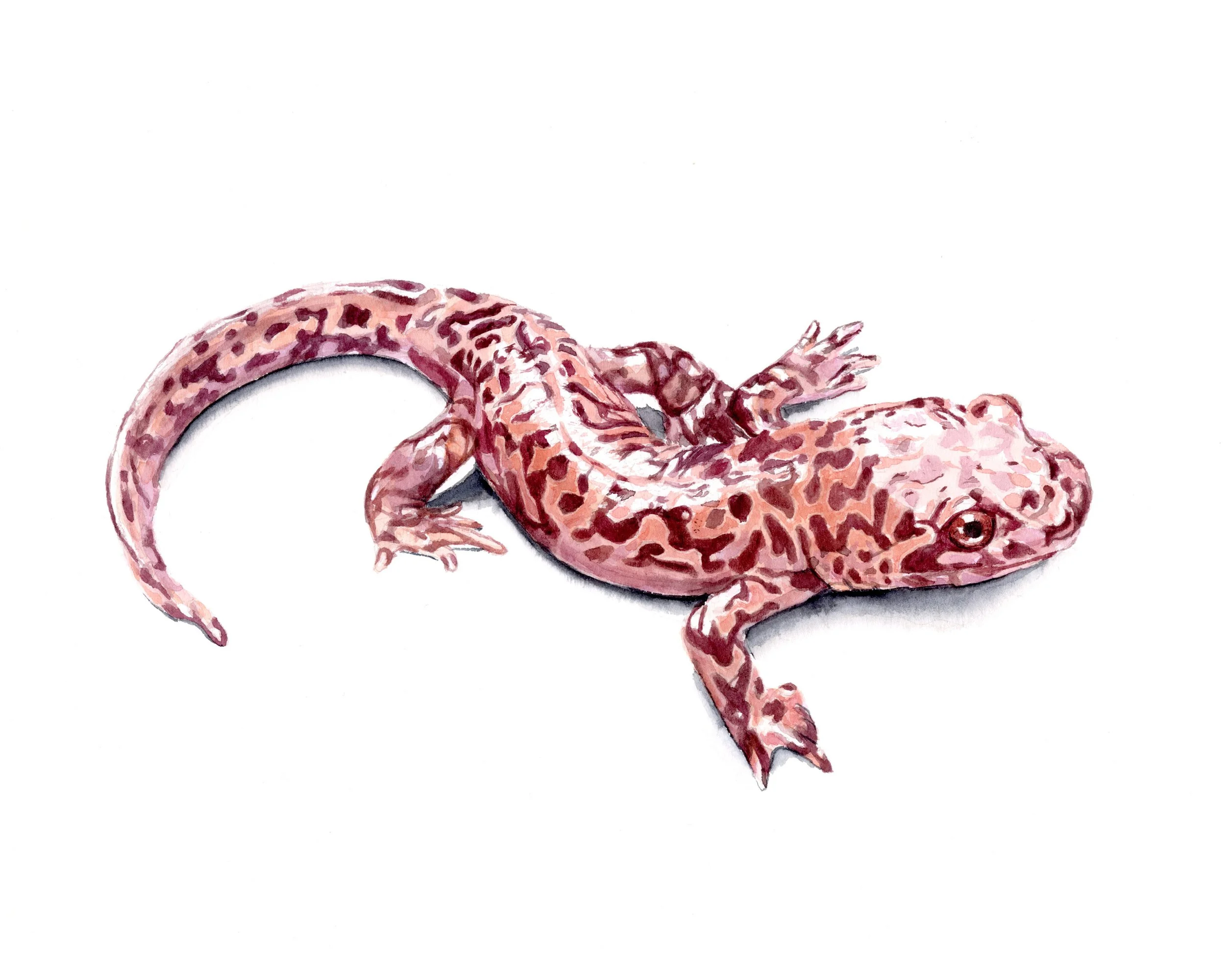
Salamanders
Four limbs (sometimes reduced)
Well-developed tails
Costal grooves (except Salamandridae)
824 species in 2025; 521 species in 2004 (~14 new species/year)
Primarily distributed in the northern continents with secondary invasion of the Neotropics
Centers of diversity in eastern U.S. and Neotropics (no salamanders in Australia or most of Africa)
Frogs
Four robust limbs on a compact body
Greatly elongated hind limbs and feet
No tail in adults
Caudal vertebrae fused into a rod (urostyle)
7842 species in 2025; 4904 species in 2004 (~140 new species/year)
Worldwide distribution
Center of diversity in the tropics
Caecilians
Limbless (not even girdles!)
Elongate, annulated bodies
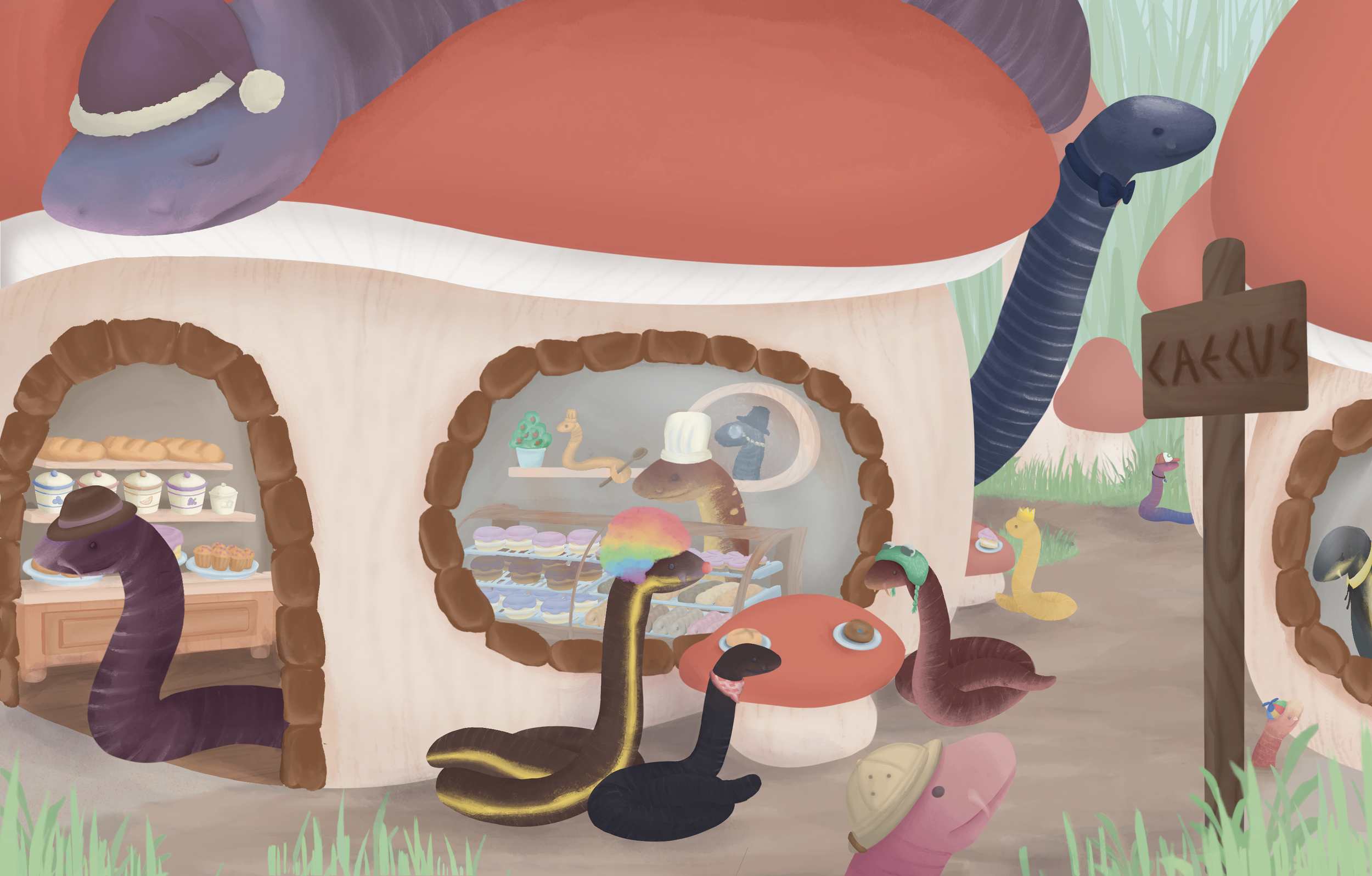
Generally fossorial (burrowing)
Reduced eyes that are covered with skin and sometimes bone
Crazy fused skulls
231 species in 2025; 165 species in 2004 (~3 new species/year)
Circum-tropical distribution
Expert-curated websites
These have general information, images, range maps, and calls for many species. Better than wikipedia!
amphibiaweb.org (global)
amphibiachina.org (China)
frogid.net.au (Australia)
bioweb.bio (Ecuador)
californiaherps.com (California)
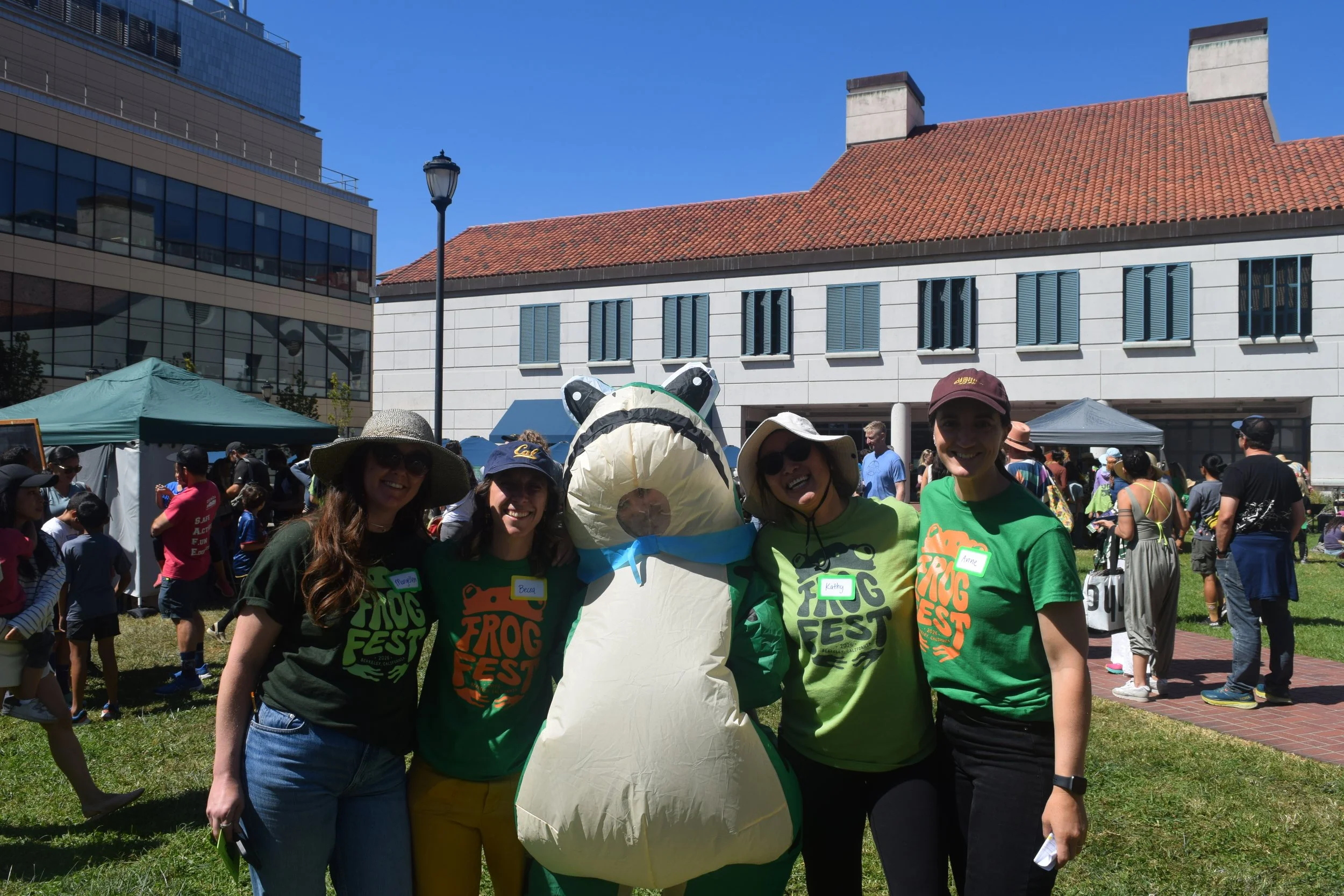
2026 Berkeley Frog Fest organizing committee
Rebecca Tarvin
Anne Chambers
Maryellen McGoldrick
Other useful books and sites
For a list of local field guides, see https://californiaherps.com/info/books.html
Herpetology textbooks:
Wells, Kentwood D. 2010. The Ecology and Behavior of Amphibians
Caldwell & Vitt. 2014. Herpetology
Stebbins, RC. 1995. A natural history of amphibians
scholar.google.com search engine for scientific literature
macaulaylibrary.org library of wildlife audio recordings, including frog calls
https://www.fonozoo.com/ frog call recordings
https://amphibiansoftheworld.amnh.org/ comprehensive taxonomic database of amphibians
https://www.inaturalist.org/ community science platform for wildlife observation
https://wildlife.ca.gov/Conservation/CESA endangered species in California